Oxygen sensor codes are some of the most common reasons a check engine light comes on, and they are also some of the most misdiagnosed. The code tells you which sensor circuit the computer is unhappy with, but it does not always mean the sensor itself has failed. Learning to read the code and a little live data will keep you from buying parts you do not need.
Decode the code number first
Most O2 sensor codes follow a pattern. The first digit after the P tells you whether the fault is in the sensor heater circuit or the sensor signal circuit, and the last two digits point to a specific sensor location. For example, codes ending in a low number like P0130 through P0135 usually relate to the upstream sensor on bank 1, while P0136 through P0141 point to the downstream sensor on bank 1. Bank 2 codes sit in a different range again.
Before touching anything, look up the exact code for your vehicle. A sensor on bank 1 sensor 1 is the upstream sensor before the catalytic converter, while bank 1 sensor 2 is the downstream sensor after it. Knowing which one the code names saves you from guessing.
Heater codes versus signal codes
The heater circuit codes are usually the most straightforward. The sensor has a small internal heating element so it reaches operating temperature quickly. If the heater code sets, the element or its wiring has an open or short. A quick resistance check across the heater pins, compared with the spec for your sensor, often confirms it.
Signal codes are trickier. A code for a slow response, a lean or rich condition, or a circuit voltage out of range can come from the sensor, but it can also come from a vacuum leak, an exhaust leak, or even a wiring problem. That is why a signal code is a starting point for diagnosis, not an automatic replacement order.
Use live data to confirm the sensor
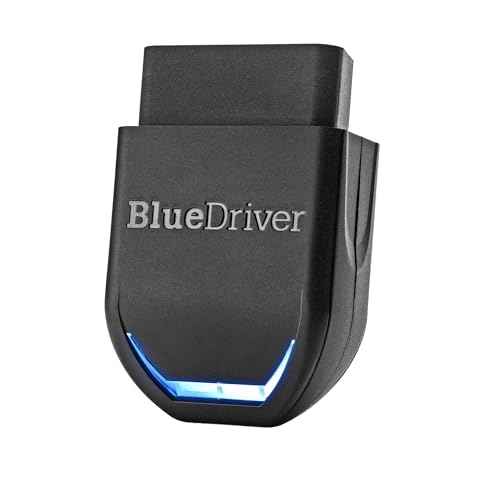
A scan tool that shows live data is your best tool here. Look at the voltage for the suspect sensor while the engine is idling and warmed up.
- A healthy upstream sensor should switch rapidly between roughly 0.1 and 0.9 volts.
- A lazy upstream sensor that stays flat or switches slowly is a good candidate for replacement.
- A downstream sensor should read fairly steady after the converter is warm.
- If the upstream reading is stuck high or low, check for a vacuum or exhaust leak before blaming the sensor.
Compare the suspect sensor with the one on the other bank if your engine has two. A clear difference in switching speed or range is strong evidence. If both read identically and one is suspect, look elsewhere, like a shared vacuum leak or a fuel delivery issue.
Check the wiring before the sensor
O2 sensor wiring lives under the car, exposed to heat, water, and road debris. Before replacing a sensor, inspect the harness for chafed insulation, melted connectors, or corrosion at the plug. A damaged wire can set the same code as a failed sensor. Wiggle the harness while watching live data; if the voltage jumps around, the wiring is your problem.
Also check for exhaust leaks near the sensor. A leak lets outside air into the exhaust stream and makes the sensor report a false lean condition, which sets codes and confuses fuel trims.
Why the code sometimes comes back
Replacing the sensor without fixing the underlying cause is the most common reason an O2 code returns. If the upstream sensor was reporting a genuine rich or lean condition, the new sensor will report the same thing and set the code again. Look at fuel trims and the other sensor readings to see whether the engine is actually running rich or lean before you install a new part.
A simple diagnostic order
Work through the problem in a logical sequence: read the exact code and identify the sensor location, check the wiring and exhaust for damage, view live data for that sensor, then compare it with the other bank or with expected values. Only after those steps does replacement make sense. That order keeps money in your pocket and gets the light off for good.
Frequently Asked Questions
Does an O2 sensor code always mean the sensor is bad?
No. Heater circuit codes often do point to a failed sensor, but signal codes can be caused by vacuum leaks, exhaust leaks, or damaged wiring. Confirm with live data and a visual inspection before replacing the part.
Which O2 sensor is bank 1 sensor 1?
Bank 1 is the side of the engine that contains cylinder 1, and sensor 1 is the upstream sensor located before the catalytic converter. The exact location varies by engine, so check a diagram for your vehicle.
Can I drive with an O2 sensor code?
Short distances are usually fine, but a failed sensor can hurt fuel economy and emissions, and a rich or lean condition can damage the catalytic converter over time. Get it diagnosed soon rather than ignoring it.