Few dashboard warnings cause as much worry as the check engine light. It can switch on for something as minor as a loose fuel cap, or it can warn you about a fault that could damage your engine if you keep driving. The trouble is that the glowing symbol alone never tells you which situation you’re facing.
This guide explains what the check engine light actually means, why it turns on, the difference between a steady and a flashing light, the most common causes, and how a simple OBD2 scanner reveals the exact trouble code behind the warning. With that information you can decide whether to pull over or carry on with confidence.
What Triggers the Check Engine Light
The check engine light, also called the malfunction indicator lamp, is controlled by your car’s onboard computer. That computer constantly monitors sensors across the engine, fuel system, and exhaust. When a reading falls outside the expected range, the computer stores a fault and illuminates the warning so you know something needs attention.
Most triggers fall into two groups. The first is emissions related, such as a fault in the oxygen sensors, catalytic converter, or evaporative system that affects how cleanly the engine burns fuel. The second is engine performance related, such as misfires, fuel delivery issues, or airflow problems that change how the engine runs. In both cases the computer logs a specific code that points to the area at fault, even though the light itself looks the same.
Steady Light vs Flashing Light
The way the light behaves tells you how urgent the problem is. A steady, constantly lit check engine light usually means the computer has found a fault that needs investigation soon but isn’t an immediate emergency. You can typically keep driving for a short distance to a safe place or a workshop, while still treating it as something to check without long delay.
A flashing or blinking check engine light is a different matter and should be treated as serious. It normally signals an active engine misfire that’s dumping raw fuel into the exhaust, which can quickly overheat and ruin the catalytic converter. If the light is flashing, reduce speed, avoid heavy acceleration, and stop driving as soon as you can safely do so. Continuing on a flashing light risks expensive damage and a possible breakdown.
The Most Common Causes
While there are hundreds of possible fault codes, a handful of causes account for most check engine lights. A loose, damaged, or missing gas cap is one of the simplest. It lets fuel vapor escape and trips an emissions fault, yet it’s often fixed by tightening the cap until it clicks and driving for a while. A failing oxygen sensor is another frequent culprit, as it measures exhaust gases and affects both fuel economy and emissions.
Other common causes include a worn catalytic converter, which cleans the exhaust and is costly to ignore, and a dirty or faulty mass airflow sensor, which measures incoming air and can upset the fuel mixture. Worn spark plugs or ignition coils are also common, since they cause the misfires that often produce a flashing light. Knowing which of these is at play comes down to reading the stored code rather than guessing.
How an OBD2 Scanner Reveals the Exact Code
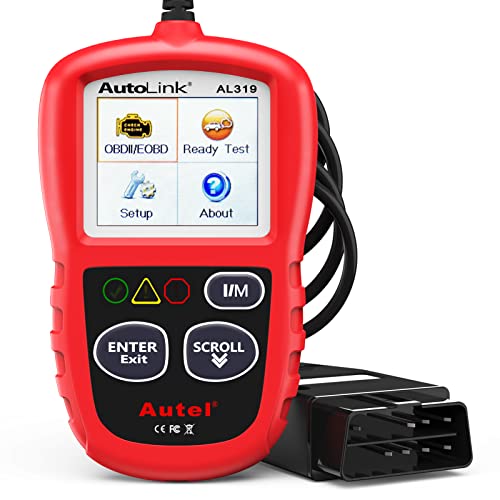
Since 1996, virtually every car sold in the United States uses the OBD2 standard, which means it has a diagnostic port, usually under the dashboard near the steering column. An OBD2 scanner plugs into that port and reads the trouble codes the computer has stored, turning a vague warning light into a precise starting point for repair.
Each code follows a format such as P0420 or P0171, where the letter and numbers identify the system and the specific fault. A scanner translates these into plain descriptions like catalytic converter efficiency below threshold or system too lean, so you know exactly where to look. Many scanners also show live sensor data and let you clear codes once a repair is done. If you want to choose a tool, our guide to the best obd2 scanners walks through the options for different budgets and skill levels.
When It’s Safe to Keep Driving
Whether you can keep driving depends on how the light behaves and how the car feels. If the light is steady and the engine runs normally, with no strange noises, smells, smoke, or loss of power, it’s usually safe to drive carefully to a place where you can scan the code or reach a mechanic. A loose gas cap or a minor emissions fault often falls into this group, but you should still have it checked rather than ignored.
You should stop driving when the light is flashing, or when a steady light comes with symptoms such as overheating, rough running, stalling, knocking, or a noticeable drop in power. Those signs point to a fault that can worsen fast and put both your safety and your engine at risk. When in doubt, treat the warning seriously, pull over somewhere safe, and read the code before deciding your next move.
Frequently Asked Questions
Can I drive with the check engine light on?
If the light is steady and the car drives normally, you can usually keep going for a short while to reach a safe place or a workshop, but you should have the code read soon. If the light is flashing, or the engine runs rough, overheats, or loses power, stop driving as soon as it’s safe.
Will the check engine light turn off by itself?
Sometimes it’ll. If the cause was a temporary issue, such as a loose gas cap that you have since tightened, the light may clear on its own after several drive cycles. If the underlying fault remains, the light will stay on or return, which is why reading the stored code is the reliable way to know what is happening.
Do I need a mechanic to read the check engine light?
No. An affordable OBD2 scanner lets you read the fault code yourself by plugging into the diagnostic port under the dashboard. The scanner shows the exact code and a plain description, so you can understand the problem and decide whether it’s a simple fix or a job for a professional.
The Bottom Line
The check engine light is your car’s way of pointing to a stored fault, not a single defined problem. A steady light usually means investigate soon, while a flashing light means stop and protect your engine. The most common causes range from a loose gas cap to oxygen sensor, catalytic converter, mass airflow sensor, and spark plug faults, all of which leave a precise code behind. Plug in an OBD2 scanner, read that code, and you turn an unsettling glow into a clear plan, knowing when it’s safe to drive and when it’s time to stop.
Related Guides
- 7 Best Bluetooth OBD Scanners for Cars in 2026 (Researched and Compared)
- 7 Best VAG COM Scanners (Researched and Compared)
- 7 Best Police Scanners for Cars (Researched and Compared)
- 7 Best Bluetooth OBD2 Adapters for Cars in 2026 (Researched and Compared)
- 7 Best Diagnostic Scanners for BMW (Researched and Compared)
- 7 Best OBD Tools for Car (Researched and Compared)