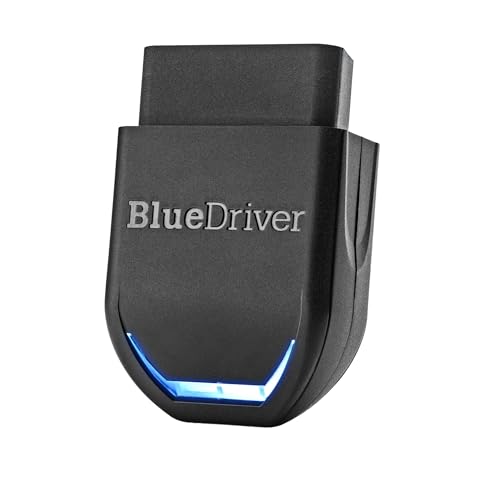
If you’re shopping for a code reader, the first question is simple: will it actually plug into your car and talk to it? The short answer is that a generic OBD2 scanner works on the large majority of cars on the road today, but not literally every vehicle ever built. Compatibility comes down to the year, the fuel type, the country your car was built for, and the specific systems you want to read. This guide explains exactly which cars are covered, which ones aren’t, and how to confirm a scanner fits before you buy. For a shortlist of compatible tools, see our roundup of the best obd2 scanners.
When Did OBD2 Become the Standard
OBD2 stands for On-Board Diagnostics, second generation, and it’s the standardized system that lets a scanner read trouble codes and live data from your car. In the United States, OBD2 became mandatory on all gasoline passenger cars and light trucks built from the 1996 model year onward. Diesel light vehicles followed later, with the requirement applying to model year 2008 and newer. So if you have a US-market gas car from 1996 or a diesel from 2008, it almost certainly has a standard OBD2 port and protocol.
Other regions adopted equivalent rules on their own timelines. Europe phased in EOBD, which uses the same connector and signals, on gasoline cars around 2001 and diesels around 2004. That means a generic OBD2 scanner will usually communicate with European, Asian, and domestic vehicles from those years onward because they share the same physical port and the same core set of standardized codes.
Cars an OBD2 Scanner Won’t Cover
The clearest gap is age. Cars built before the 1996 cutoff in the US often use OBD1, an earlier and far less standardized system. OBD1 ports, pin layouts, and signals varied from one manufacturer to the next, so a modern OBD2 scanner can’t plug into them without a brand-specific adapter and software, if one exists at all. If your vehicle predates the mid-1990s, plan to look for a maker-specific tool rather than a universal reader.
There are smaller exceptions even within the OBD2 era. Some early transition-year vehicles were built with OBD2-style ports but didn’t fully follow the standard, and a handful of imported or grey-market cars were never set up for the regional standard at all. Heavy-duty trucks and certain commercial vehicles also use a different system, often a J1939 standard with a larger round connector, so a car-focused OBD2 scanner won’t read them.
Protocols Matter More Than the Port
Every OBD2 car uses the same 16-pin trapezoid-shaped connector, which is why the plug fits almost universally. The catch is that the port can carry several different communication protocols underneath. Older OBD2 vehicles may use protocols such as ISO 9141, KWP2000, or one of two variations of J1850 that were common on certain American and Asian models. Newer cars, broadly those from around 2008 onward, use the CAN bus protocol, which became mandatory in the US for the 2008 model year.
This matters because a cheap or very old scanner might only speak one or two of these protocols. If the tool doesn’t support your car’s protocol, it’ll fail to connect even though the plug fits perfectly. Modern scanners generally auto-detect and support all the common protocols including CAN, which is why a current model is a safer bet than an old hand-me-down reader for a recent vehicle.
Basic Codes Versus Advanced Systems
It also helps to separate what every OBD2 scanner can do from what only some can do. The standardized part of OBD2 is mainly the powertrain, meaning the engine and emissions system. Any compliant scanner can read and clear generic powertrain codes, the ones that turn on your check engine light, and view live engine data such as RPM, coolant temperature, and fuel trims. That covers the most common reason people buy a scanner in the first place.
Beyond the engine, things get manufacturer-specific. Systems like ABS, airbags and SRS, transmission control, tire pressure monitoring, and proprietary body modules often use codes and commands that are unique to each brand. A basic reader will usually not touch these. To diagnose them you need a more capable scanner that lists support for ABS and SRS, or a bidirectional tool with brand-specific coverage. Always check the system coverage list, not just the year range, if you want more than engine codes.
How to Confirm Compatibility Before You Buy
Start with the easy checks. Confirm your car’s model year and fuel type against the OBD2 cutoffs: 1996 and newer for US gas, 2008 and newer for US diesel, and the early 2000s for European EOBD. Then look under the dashboard, usually near the steering column, for the 16-pin OBD2 connector. If the port is there and the year lines up, a generic scanner will almost certainly read your engine codes.
For anything beyond basic engine codes, read the scanner’s specifications carefully. Check that it lists your car’s make in its vehicle coverage, that it supports CAN if your car is recent, and that it names the specific systems you care about, such as ABS, SRS, or live data graphing. Many scanner makers publish a compatibility lookup or vehicle list, and product listings often spell out which functions are generic and which are brand-specific. A few minutes spent matching the spec sheet to your car prevents the frustration of a tool that plugs in but can’t do what you needed.
Frequently Asked Questions
Will an OBD2 scanner work on a car made before 1996
Usually not. Cars built before the 1996 US cutoff typically use OBD1, an older system with non-standard ports and signals that vary by manufacturer. A generic OBD2 scanner can’t plug into them. For a pre-1996 vehicle you generally need a brand-specific OBD1 tool and the correct adapter.
Can a basic OBD2 scanner read ABS and airbag codes
Most basic readers can’t. The OBD2 standard mainly covers the engine and emissions system, so generic scanners read check engine codes and live engine data. ABS, airbag and SRS systems use manufacturer-specific codes, so you need a more advanced scanner that explicitly lists ABS and SRS coverage for your make.
Do all OBD2 scanners support the CAN protocol
Not all of them, especially older or very cheap units. CAN became the required protocol for US cars from the 2008 model year, so a recent vehicle needs a scanner that supports CAN. Most current scanners auto-detect and support all common protocols, but it’s worth confirming CAN support before buying for a newer car.
The Bottom Line
OBD2 scanners work on the vast majority of cars on the road, specifically US gasoline vehicles from 1996, US diesels from 2008, and most European and Asian cars from the early 2000s, because they all share the same standardized port and engine codes. The main exceptions are pre-1996 OBD1 vehicles, some heavy-duty and grey-market models, and advanced systems like ABS and airbags that need brand-specific support. Before you buy, match your car’s year, fuel type, and protocol to the scanner’s coverage list, and decide whether you need only engine codes or full system access. Do that, and you can pick a tool with confidence from our guide to the best obd2 scanners.
Related Guides
- 7 Best Police Scanners for Car in 2026 (Researched and Compared)
- 7 Best Auto Feed Scanners (Researched and Compared)
- 7 Best OBD2 Scanners for Toyota Hybrid in 2026 (Researched and Compared)
- 7 Best OBD2 Scanners for Nissan in 2026 (Researched and Compared)
- Most Common OBD2 Codes and What They Mean
- 7 Best OBD Scanners for Mercedes in 2026 (Researched and Compared)