The illumination of your vehicle’s Check Engine Light (CEL) can be a source of anxiety for any driver. While it often signals a problem, it doesn’t always indicate a catastrophic failure. Instead, it’s your vehicle’s On-Board Diagnostics, Second Generation (OBD2) system communicating that it has detected an issue within one of its monitored systems.
Introduced in 1996 for all vehicles sold in the United States, the OBD2 system was mandated by the Environmental Protection Agency (EPA) to monitor emission-related components and ensure vehicles comply with federal emissions standards. When a problem is detected, the system stores a Diagnostic Trouble Code (DTC) and illuminates the CEL. Understanding these codes is the first step toward diagnosing and resolving the issue, potentially saving you from more significant repairs down the road. This guide will demystify the most common OBD2 codes and explain what they signify for your vehicle’s health.
Carly Universal OBD2 Adapter for BMW
Understanding the OBD2 System and Code Structure
The OBD2 system is a sophisticated network designed to monitor various vehicle systems, primarily focusing on emissions control. When a sensor detects a reading outside of its normal operating parameters, a DTC is stored in the vehicle’s Powertrain Control Module (PCM), and the Check Engine Light is activated. These codes provide a standardized language for technicians and vehicle owners to understand specific malfunctions.
- Code Structure: OBD2 codes follow a specific alphanumeric structure:
- The first character indicates the system: ‘P’ for Powertrain (engine, transmission), ‘B’ for Body (airbags, central locking), ‘C’ for Chassis (ABS, steering), ‘U’ for Network (communication between modules). The vast majority of common codes are P-codes.
- The second character indicates the code type: ‘0’ for Generic (SAE standard), ‘1’ for Manufacturer-specific.
- The third character indicates the sub-system: ‘1’ or ‘2’ for Fuel/Air Metering, ‘3’ for Ignition System/Misfire, ‘4’ for Auxiliary Emissions Controls, ‘5’ for Vehicle Speed/Idle Controls, ‘6’ for Computer Output Circuit, ‘7’ or ‘8’ for Transmission.
- The fourth and fifth characters are specific identifiers for the fault.
- Generic vs. Manufacturer-Specific Codes: Generic codes (P0xxx) are standardized across all vehicle makes and models, as defined by the Society of Automotive Engineers (SAE) J2012 standard. Manufacturer-specific codes (P1xxx) are unique to a particular brand and provide more detailed diagnostic information for that specific vehicle.
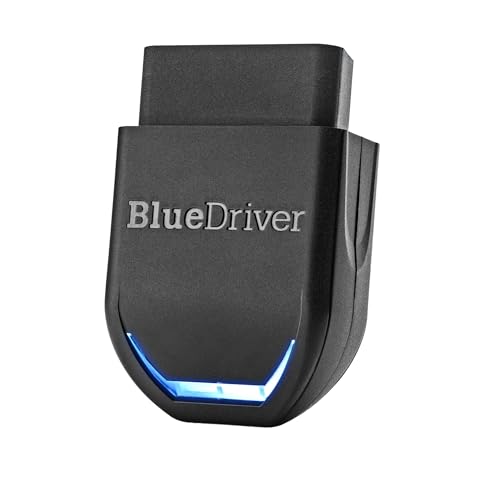
Accessing these codes typically requires an OBD2 scan tool, which can be purchased or often used for free at many auto parts stores across the U.S.
Common Powertrain Codes: Misfires and Ignition System (P03xx)
Misfire codes are among the most frequently encountered and can indicate a variety of issues impacting engine performance and emissions. A misfire occurs when an engine cylinder fails to produce power during its combustion cycle.
- P0300 – Random/Multiple Cylinder Misfire Detected: This generic code indicates that the PCM has detected misfires in multiple cylinders or a cylinder that can’t be identified. It often points to a systemic issue rather than a single component failure.
- P0301 – P0308 – Cylinder X Misfire Detected: These codes specify which particular cylinder (e.g., P0301 for Cylinder 1, P0302 for Cylinder 2, etc.) is experiencing a misfire.
Common Causes:
- Worn or fouled spark plugs
- Faulty ignition coils or spark plug wires
- Clogged or defective fuel injectors
- Vacuum leaks in the intake manifold
- Low engine compression (due to worn piston rings, valves, or head gasket)
- Issues with the Mass Air Flow (MAF) sensor or Oxygen (O2) sensors
A flashing Check Engine Light, especially in conjunction with misfire codes, indicates a severe misfire that could be causing damage to the catalytic converter and should be addressed immediately. The National Highway Traffic Safety Administration (NHTSA) emphasizes the importance of addressing such warnings promptly for vehicle safety and longevity.
Common Powertrain Codes: Fuel System and Air/Fuel Mixture (P01xx)
These codes relate to the air-fuel mixture, which must be precisely balanced for optimal engine performance and emissions. The ideal ratio is 14.7 parts air to 1 part fuel by weight, often referred to as stoichiometric.
- P0171 – System Too Lean (Bank 1) & P0174 – System Too Lean (Bank 2): These codes indicate that the engine is running with too much air or not enough fuel. ‘Bank 1’ refers to the side of the engine with cylinder #1, while ‘Bank 2’ refers to the opposite side on V-configuration engines.
- P0172 – System Too Rich (Bank 1) & P0175 – System Too Rich (Bank 2): These codes indicate the engine is running with too much fuel or not enough air.
Common Causes for Lean Codes (P0171, P0174):
- Vacuum leaks (intake manifold gasket, PCV valve, vacuum hoses)
- Faulty MAF sensor providing incorrect air readings
- Low fuel pressure (weak fuel pump, clogged fuel filter)
- Clogged fuel injectors
- Exhaust leaks before the O2 sensor
Common Causes for Rich Codes (P0172, P0175):
- Leaky fuel injectors
- Faulty fuel pressure regulator
- Contaminated or faulty MAF sensor
- Faulty O2 sensor reporting incorrect readings
- Clogged air filter
Common Powertrain Codes: Oxygen Sensor and Catalytic Converter (P04xx, P01xx)
The catalytic converter is a crucial component of the emissions control system, converting harmful pollutants into less toxic gases. Oxygen sensors monitor the exhaust gas composition to help the engine maintain the correct air-fuel mixture and to assess catalytic converter efficiency.
- P0420 – Catalyst System Efficiency Below Threshold (Bank 1) & P0430 – Catalyst System Efficiency Below Threshold (Bank 2): These codes indicate that the catalytic converter isn’t performing efficiently enough to reduce emissions as required. Often, this means the converter itself is failing.
- P0133 – O2 Sensor Circuit Slow Response (Bank 1 Sensor 1): This code indicates that the upstream oxygen sensor (pre-catalyst) is responding too slowly to changes in exhaust gas composition, impairing the PCM’s ability to adjust the air-fuel mixture properly.
Common Causes:
- Degraded or failed catalytic converter (often due to age, engine misfires, or excessive oil consumption)
- Exhaust leaks before or after the O2 sensors
- Faulty upstream or downstream oxygen sensors
- Engine running rich or lean for extended periods, damaging the catalyst
- Ignition system issues causing unburnt fuel to enter the exhaust
The EPA strictly regulates vehicle emissions, making the proper functioning of the catalytic converter and O2 sensors essential for passing emissions tests in many U.S. States.
Common Powertrain Codes: Evaporative Emission Control System (EVAP) (P04xx)
The EVAP system is designed to prevent fuel vapors from escaping into the atmosphere, a significant source of air pollution. It captures fuel vapors from the fuel tank and sends them to the engine to be burned.
- P0440 – Evaporative Emission Control System Malfunction: A general code indicating a fault within the EVAP system.
- P0442 – Evaporative Emission Control System Leak Detected (Small Leak): Indicates a small leak has been detected in the EVAP system.
- P0455 – Evaporative Emission Control System Leak Detected (Large Leak): Indicates a large leak has been detected in the EVAP system.
Common Causes:
- Loose, faulty, or missing gas cap (the most common cause for P0442 and P0455)
- Cracked or disconnected EVAP hoses or lines
- Faulty EVAP purge valve or vent valve (solenoids that control vapor flow)
- Leaking charcoal canister
- Damaged fuel tank or filler neck
These codes often don’t immediately affect vehicle performance but are crucial for environmental compliance and will cause the Check Engine Light to illuminate.
General Diagnostic Advice and Next Steps
When your Check Engine Light illuminates, it’s important not to ignore it. While some issues are minor, others can lead to significant damage or safety concerns if left unaddressed. Here’s a general approach:
- Scan the Code: Use an OBD2 scan tool to retrieve the DTCs. Many auto parts retailers offer this service for free.
- Research the Code: Once you have the code, research its specific meaning for your vehicle’s make and model. Online resources and service manuals can provide valuable context.
- Check Simple Solutions First: Before diving into complex repairs, check for common, simple causes like a loose gas cap.
- Observe Vehicle Symptoms: Pay attention to how your vehicle is running. Is there a noticeable loss of power, unusual noises, smoke, or strange odors? These symptoms can help narrow down the problem.
- Consider Professional Diagnosis: If you’re unsure about the diagnosis or repair, it’s always best to consult a certified automotive technician. Modern vehicles are complex, and accurate diagnosis often requires specialized tools and expertise.
- Address Flashing CEL Immediately: A flashing Check Engine Light indicates a severe problem, typically a misfire, that could be causing significant damage to the catalytic converter. Pull over safely and have the vehicle inspected as soon as possible.
Remember, the OBD2 system is a diagnostic tool designed to help you maintain your vehicle’s performance and environmental compliance. Prompt attention to its warnings can save you time, money, and ensure a safer driving experience.
Frequently Asked Questions
What is the difference between generic and manufacturer-specific OBD2 codes?
Generic codes (P0xxx) are standardized across all vehicle makes and models, as defined by the SAE J2012 standard, and relate to fundamental engine and emissions functions. Manufacturer-specific codes (P1xxx) are unique to a particular brand and often provide more detailed diagnostic information for specific components or systems within that vehicle’s design.
Can I drive with the Check Engine Light on?
It depends on whether the light is steady or flashing. A steady light usually indicates a non-critical issue that should be addressed soon but might not require immediate stopping. However, a flashing Check Engine Light signifies a severe problem, such as a misfire, that could be actively damaging the catalytic converter. In this case, it’s recommended to pull over safely and have the vehicle inspected immediately.
What does it mean if my Check Engine Light is flashing?
A flashing Check Engine Light (CEL) indicates a severe problem, typically a misfire, that’s actively causing raw fuel to enter the exhaust system. This unburnt fuel can rapidly overheat and permanently damage the catalytic converter, a very expensive component. If your CEL is flashing, it’s crucial to pull over safely and have the vehicle towed or inspected by a professional immediately to prevent further damage.
How do I clear an OBD2 code?
OBD2 codes can be cleared using an OBD2 scan tool, which typically has a ‘clear codes’ or ‘erase DTCs’ function. While clearing a code will turn off the Check Engine Light, it doesn’t fix the underlying problem. If the issue persists, the code will reappear. It’s generally advised to only clear codes after the issue has been properly diagnosed and repaired.
Where can I get my car's OBD2 codes read?
You can purchase an OBD2 scan tool for personal use, which plugs into the diagnostic port usually located under the dashboard. Alternatively, many major auto parts stores across the United States offer free OBD2 code reading services. Professional automotive repair shops also have advanced diagnostic equipment to read codes and perform in-depth analysis.
The Bottom Line
The OBD2 system is an invaluable tool for maintaining your vehicle’s health, ensuring compliance with environmental regulations, and preventing minor issues from escalating into major repairs. By understanding the most common Diagnostic Trouble Codes and their meanings, you empower yourself to make informed decisions about your vehicle’s care. Always prioritize safety and prompt diagnosis, and when in doubt, consult a qualified automotive professional to ensure your vehicle remains reliable and efficient on the road.