A loose gas cap is one of the most common reasons a check engine light comes on. It triggers an EVAP system leak code, often P0455 or P0457. Many drivers panic, but this is an easy fix you can handle yourself. This guide explains how to inspect your EVAP system, starting with the gas cap, and get your light off safely.
What Is the EVAP System?
The EVAP (Evaporative Emission Control) system prevents fuel vapors from escaping into the atmosphere. It consists of several components, including the gas cap, charcoal canister, purge valve, vent valve, and a network of hoses. When the system detects a leak, it stores a diagnostic trouble code (DTC) and turns on the check engine light.
Common leak codes include:
- P0455: Large EVAP leak
- P0457: Loose or missing gas cap
- P0442: Small EVAP leak
The gas cap is the most accessible part, so always check it first. A cap that isn’t tightened properly allows vapors to escape, causing a leak code.
Why a Loose Gas Cap Triggers the Light
Modern cars run a self-test on the EVAP system. The system pressurizes and looks for pressure drops. If the gas cap is loose, the system can’t hold pressure, and it flags a leak. This is a safety feature to alert you to a fuel vapor leak, which is bad for the environment and your fuel economy.
A loose cap is often a simple oversight. Maybe you didn’t hear the click when you last refueled, or the cap wasn’t seated properly. Sometimes the cap gets cross-threaded or the seal is worn. Over time, the rubber seal on the cap can crack or degrade, causing a leak even when tightened.
How to Inspect the Gas Cap
Start your inspection with the gas cap. Here’s what to do:
- Turn off the engine and remove the cap.
- Check the rubber seal for cracks, dirt, or damage.
- Wipe the seal and the filler neck with a clean cloth.
- Reinstall the cap, turning it until you hear at least three clicks.
- Make sure it’s snug, but don’t overtighten.
If the seal looks worn or the cap won’t click properly, replace it. A new cap is inexpensive and often solves the problem. After securing the cap, drive the car for a few days. The check engine light may turn off by itself after several successful drive cycles. If the light persists, you may have a bigger leak.
Other EVAP Components to Check
If the gas cap is fine, the next step is to look for obvious issues in the EVAP system. Park on a level surface and visually inspect the following:
- Charcoal canister: locate it near the fuel tank. Look for cracks or damage.
- Hoses and lines: check for cracks, loose connections, or signs of rodent damage.
- Purge valve and vent valve: inspect the electrical connectors and look for oil or dirt.
Sometimes a simple loose hose is the culprit. Gently wiggle connections to see if any are loose. If you find a disconnected hose, reconnect it and see if the light clears. However, be careful not to disturb fragile plastic clips. If you notice heavy corrosion or damage, a mechanic may need to replace parts.
Using an OBD2 Scanner to Confirm
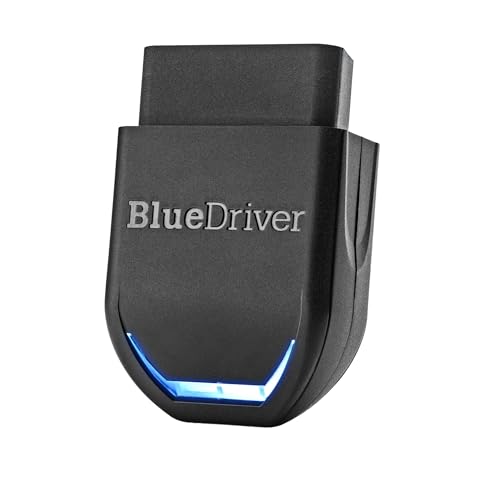
An OBD2 scanner is your best friend for diagnosing EVAP issues. Plug it into the port under the dash, read the code, and note the freeze frame data. Freeze frame captures the conditions when the code was set, like engine temperature and speed. This can help you understand if the leak happens under specific conditions.
If the code says P0457, it’s almost certainly the gas cap. Clear the code with the scanner, tighten the cap, and see if it returns. If it comes back, you have a persistent leak. For other codes, you might need to perform a smoke test. A smoke test involves a machine that pumps smoke into the EVAP system to pinpoint leaks. That’s often a job for a professional, but you can check for obvious leaks first.
When to See a Mechanic
If you’ve done the basic checks and the light stays on, it’s time to seek professional help. A mechanic can run a smoke test, check the purge and vent valves, and measure the system’s pressure. They might also check the fuel tank pressure sensor. Ignoring an EVAP leak isn’t dangerous, but it can cause you to fail an emissions test and let fuel vapors escape.
Also, a persistent leak could allow water or dirt into the system, leading to more expensive repairs. So, address it sooner rather than later. Most importantly, don’t just clear the code and ignore the problem. The light will likely come back, and you’ll be back to square one.
Frequently Asked Questions
How long does it take for the check engine light to go off after tightening the gas cap?
After tightening the gas cap, you may need to drive for a few days. The light usually turns off after 20 to 30 successful drive cycles, where the system runs a self-test and doesn't detect a leak. You can also use an OBD2 scanner to clear the code and see if it returns.
Can a loose gas cap cause other problems besides the check engine light?
Yes, a loose gas cap can let fuel vapors escape, reducing fuel economy and increasing emissions. It can also allow dirt and moisture into the fuel system, which might lead to clogged fuel injectors or a contaminated fuel pump. Fixing it promptly avoids these issues.
What does the P0455 code mean, and is it different from a loose cap?
P0455 indicates a large EVAP leak, which can be caused by a loose gas cap, a cracked hose, or a faulty purge valve. Unlike P0457, which specifically points to the gas cap, P0455 requires a broader inspection. Start with the cap and work your way through the system.