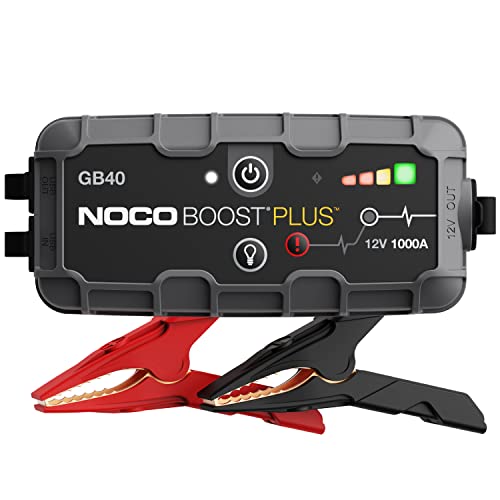
Storing your jump starter incorrectly can lead to battery degradation, reduced performance, or even damage to your car’s electrical system. The most common mistake is leaving the unit fully discharged or fully charged for extended periods, which shortens its lifespan. Follow these guidelines to keep your jump starter reliable and safe.
1. Storing at Extreme Temperatures
Jump starters contain lithium-ion batteries that are sensitive to heat and cold. Avoid leaving them in a car during summer (above 140°F) or winter (below 32°F) for long. High temperatures accelerate chemical degradation, while freezing can cause permanent capacity loss. Ideal storage is between 50°F and 80°F.
2. Keeping It Fully Charged or Fully Discharged
Lithium-ion batteries suffer stress at both 100% and 0% charge. For long-term storage, aim for charge. If you store it for months without use, recharge every 3-6 months to prevent deep discharge. Many modern jump starters have a standby mode, but checking periodically is wise.
3. Ignoring Parasitic Drain
Some jump starters have internal circuits that slowly drain the battery even when off. If stored unused for months, the battery can drop to dangerous levels. Test your unit every 30 days and recharge if below 50%. Also, disconnect any attached accessories like USB cables that might draw power.
4. Storing in Damp or Humid Areas
Moisture can corrode terminals and internal electronics. Keep your jump starter in a dry place, ideally in a sealed plastic bag or its original case. Avoid trunks that may leak or basements with high humidity. If you live in a humid climate, consider adding silica gel packets to the storage container.
5. Using the Wrong Charger or Overcharging
Always use the charger provided by the manufacturer. Third-party chargers may not have proper voltage or current limits, leading to overheating or battery damage. Overcharging (leaving it plugged in for days) can also degrade cells. Unplug once fully charged.
Frequently Asked Questions
Can I store my jump starter in the car year-round?
It’s not recommended due to temperature extremes. If you must, use an insulated bag and check the charge level monthly. In summer, park in shade and avoid direct sunlight on the device.
How often should I recharge a stored jump starter?
Every 3 to 6 months, or whenever the charge drops below 50%. Set a reminder to avoid deep discharge, which can permanently reduce capacity.
What is the best way to store a jump starter for winter?
Keep it indoors at room temperature with a 50-80% charge. If storing for the entire season, check and recharge every 3 months. Avoid leaving it in an unheated garage.
The Bottom Line
Proper storage of your jump starter extends its life and ensures it works when you need it most. Avoid temperature extremes, maintain a partial charge, and keep it dry. For more tips on choosing and using jump starters, check out our jump starter guides and best jump starter recommendations.