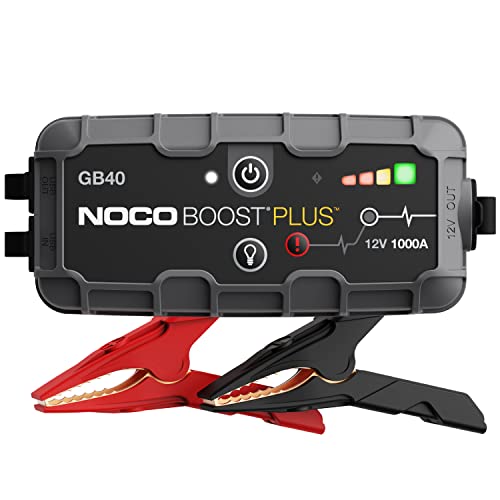
Both jumper cables and jump starters can safely jump-start a dead battery, but jump starters are generally safer because they eliminate the need for a second vehicle and reduce the risk of electrical surges. However, each method has specific safety considerations you must follow to avoid injury or damage to your car’s electronics.
Safety Risks of Jumper Cables
Jumper cables require a running donor vehicle, which introduces several risks. If you connect the cables in the wrong order (positive to negative instead of positive to positive), you can cause a short circuit that may damage both cars’ electrical systems or even cause a battery explosion. Additionally, a surge from the donor vehicle’s alternator can fry sensitive electronics in modern cars. Always connect cables in this order: dead battery positive, donor battery positive, donor battery negative, and finally a ground on the dead car’s engine block. Never connect the final clamp directly to the dead battery’s negative terminal. Also, ensure both vehicles are off before connecting, and keep the donor car running at idle after starting the dead car to avoid voltage spikes.
Safety Advantages of Jump Starters
Jump starters are portable battery packs that provide a controlled power source. They have built-in safety features like reverse polarity protection (alarms if you connect clamps incorrectly), overcurrent protection, and spark-proof technology. Because they don’t rely on another vehicle, there is no risk of alternator surge. However, you must still connect clamps correctly: red to positive, black to negative (or a ground point). Cheap jump starters may lack proper safety certifications or have weak batteries that can fail under load. Always choose a reputable brand with at least 400 peak amps for a standard car. Also, store the jump starter charged between uses; a depleted unit won’t start your car and could be damaged if left discharged.
Which Is Safer for Modern Cars?
Modern cars with complex electronics are more vulnerable to voltage spikes from jumper cables. Many manufacturers recommend using a jump starter instead of cables to avoid damaging ECUs, sensors, or infotainment systems. Jump starters deliver a steady 12V without the risk of overvoltage. However, if you must use cables, connect a surge protector or use a trickle charger instead. For hybrid or electric vehicles, never jump-start them with cables unless the manual explicitly allows it; jump starters are often the only safe option. In extreme cold, both methods work, but jump starters may struggle if their battery is cold-soaked; keep them warm in the cabin.
Frequently Asked Questions
Can jumper cables damage my car’s computer?
Yes, if you connect them incorrectly or if the donor car’s alternator sends a voltage spike. Always ensure a good ground connection and avoid running the donor car at high RPM. Using a jump starter eliminates this risk entirely.
Is it safe to jump-start a car with a lithium jump starter?
Yes, lithium jump starters are safe if they have overcharge and reverse polarity protection. They are lighter and more compact than lead-acid units, but they should not be exposed to extreme heat. Always follow the manufacturer’s instructions.
Can I use jumper cables on a frozen battery?
No, never attempt to jump-start a frozen battery. The battery can explode. Thaw the battery in a warm area for several hours first. Jump starters also should not be used on frozen batteries; warm the battery before connecting.
The Bottom Line
For most drivers, a quality jump starter from a trusted brand is safer and more convenient than jumper cables. It eliminates the need for a second car, reduces electrical risks, and works on modern vehicles without worry. If you already own jumper cables, use them carefully by following the correct connection order and avoiding contact between clamps. For a reliable jump starter, check out our best jump starters guide and jump starter reviews.