Yes, it’s safe to jump start a car in the rain. A car’s 12-volt electrical system simply doesn’t carry enough voltage to push a dangerous current through your wet skin; electricians routinely handle 12-volt circuits bare-handed. The rain itself is close to a non-factor. The genuine risks of jump starting are the same in any weather: connecting cables in the wrong order, letting clamps touch, and creating sparks next to a battery that vents hydrogen gas. Get those right and weather is irrelevant.
Why the Voltage Can’t Hurt You
Human skin, even soaking wet, has far too much resistance for 12 volts to drive a harmful current through your body. This is why you can touch both terminals of a healthy car battery with bare hands and feel nothing. The battery can deliver hundreds of amps into a short circuit, which is why dropping a wrench across the terminals is genuinely dangerous to the wrench and the battery, but pushing current through a person requires voltage the system doesn’t have.
The Risks That Actually Matter
Hydrogen gas is the classic one: charging and discharging batteries vent small amounts, and a spark right at the battery can ignite it. This is why the standard procedure connects the final negative clamp to bare engine metal away from the battery rather than to the negative post, putting any spark away from the vent caps. The second real risk is clamp contact: two live clamps touching, or a positive clamp brushing grounded metal, creates an impressive and damaging short. Rain changes neither risk.
Rain-Specific Precautions Worth Taking
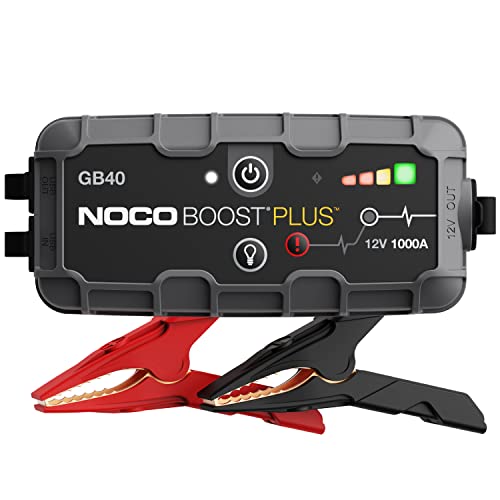
Keep the clamp contact points reasonably dry with a quick wipe so you get clean metal-to-metal contact; water films add resistance and encourage clamps to slip. Don’t let cable ends dangle in puddles between connections, mostly to keep grit off the jaws. If you’re using a lithium jump pack, shield its casing from direct downpour since the pack’s electronics, unlike the car’s, appreciate staying dry; most quality units are splash-resistant regardless. Our best jump starters guide flags the weather-sealed models if you live somewhere it always rains.
The Correct Order, Rain or Shine
Positive clamp to the dead battery’s positive post, positive to the donor battery, negative to the donor’s negative post, and the final negative clamp to unpainted engine metal on the dead car. Start the donor, let it charge the dead battery a few minutes, start the dead car, then disconnect in exactly reverse order without letting any clamp touch anything else. Thunderstorms deserve one caveat: the danger is lightning in an exposed location, not the jump itself; wait out the worst of it for the same reason you wouldn’t stand in a field.
Frequently Asked Questions
Can I get electrocuted touching jumper cables in the rain?
No. Twelve volts can’t push a dangerous current through your body, wet or dry. The system’s danger is high current into metal shorts, not shock to people.
Will rain damage my car’s electrical system during a jump?
No. Everything under the hood is built to run soaked; cars drive through storms with alternators and batteries fully exposed to spray. A jump adds nothing rain-sensitive.
Is a lithium jump pack safer than cables in bad weather?
Generally yes. A pack removes the second car, halves the clamp juggling, and quality units include reverse-polarity and spark-proof protection, which covers the mistakes weather makes more likely.
The Bottom Line
Rain doesn’t make jump starting dangerous; sloppy clamp work does. Follow the standard connection order, ground the last clamp away from the battery, keep the jaws clean, and a wet jump is exactly as safe as a dry one. In a lightning storm, wait for the cell to pass, then proceed.