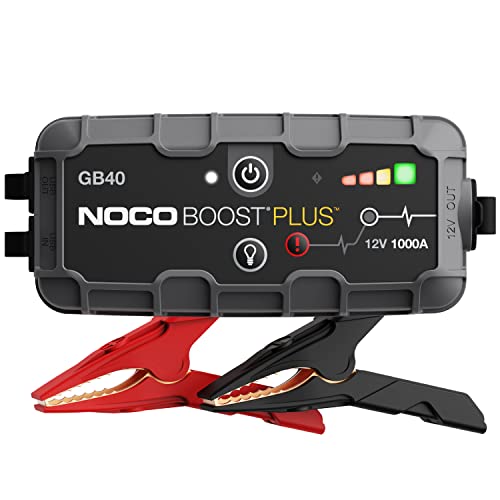
Jump starting a diesel truck is different from a gasoline vehicle, and common mistakes can damage your car’s electrical system or even cause injury. Diesel engines require more cranking power and often have dual batteries, so using incorrect procedures can fry sensitive electronics or leave you stranded. Avoid these errors to keep your truck running reliably.
1. Using a Weak or Incompatible Jump Starter
Diesel trucks need a jump starter with at least 2000 peak amps or a heavy-duty booster pack. Many portable jump starters rated for gas engines simply lack the power to crank a cold diesel. Check the peak and cranking amp ratings: for a single battery diesel, aim for 2000-3000 peak amps; for dual batteries, you may need 3000+ amps. Using an undersized unit can overheat the jump starter, damage its internal battery, or fail to start the truck. Always verify that your jump starter explicitly lists compatibility with diesel engines. For a reliable option, see our best jump starters guide.
2. Connecting Cables in the Wrong Order
The correct sequence for jump starting a diesel truck is: connect positive (red) to the dead battery’s positive, then positive to the donor battery or jump starter positive. Next, connect negative (black) to the donor negative, then the final negative clamp to an unpainted metal ground on the dead truck’s engine block or chassis, away from the battery. Reversing this order or connecting directly to the dead battery’s negative terminal can cause sparks that ignite hydrogen gas from the battery. On modern diesels with sensitive ECUs, connecting to the battery negative can also cause voltage spikes. Always follow the manual’s order.
3. Ignoring Dual Battery Systems
Many diesel trucks have two 12V batteries wired in parallel for extra cranking power. A common mistake is only connecting to one battery. This can overload that battery and leave the second undercharged. Instead, connect the jump starter or donor vehicle to both batteries: positive to the positive of one battery, and negative to a ground on the engine block. Alternatively, some trucks have a dedicated jump start post. Check your owner’s manual. If you connect incorrectly, you may not get enough power to start, or you can damage the battery isolator or alternator.
4. Letting the Engine Run After a Jump Without Charging
Once the diesel starts, many drivers immediately disconnect the cables and drive off. This is a mistake because the alternator may not fully recharge a deeply discharged battery, especially in cold weather. Let the truck idle for at least 10-15 minutes with the cables still connected (if using a donor) or keep the jump starter connected for a few minutes after starting. For dual battery setups, ensure both batteries are getting charge. If you disconnect too soon, you risk the battery dying again at the next stop. Also, never rev the engine high immediately after a jump; let the alternator stabilize.
Frequently Asked Questions
Can I use a gasoline car to jump start a diesel truck?
Yes, but only if the gasoline vehicle has a battery with similar voltage (12V) and sufficient cold cranking amps. Most gasoline cars lack the power to crank a large diesel, so it’s risky. A better option is a heavy-duty jump starter or another diesel truck.
Why does my diesel truck have two batteries?
Diesel engines require more cranking power due to higher compression ratios. Two batteries provide the necessary amperage, especially in cold weather. They also offer redundancy: if one fails, the other may still start the truck, though with difficulty.
Can jump starting damage the ECU or other electronics?
Yes, if done incorrectly. Voltage spikes from a bad connection or reversed polarity can fry sensitive modules. Using a quality jump starter with surge protection and following proper procedure minimizes this risk. Always connect to a ground point, not the battery negative, to reduce spikes.
The Bottom Line
Jump starting a diesel truck requires more power and care than a gas vehicle. Avoid using undersized jump starters, always connect cables in the correct order, handle dual batteries properly, and let the alternator recharge the batteries before driving. By avoiding these common mistakes, you protect your truck’s expensive electronics and ensure reliable starts. For the best tools to get the job done safely, check our recommendations for jump starters and related accessories.