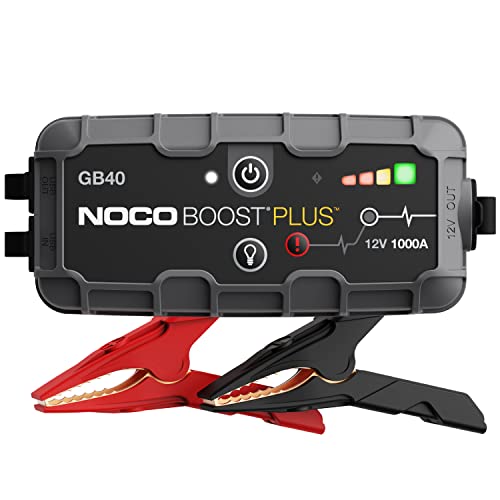
Yes, most modern jump starters can handle cold weather storage, but their performance drops significantly in freezing temperatures. Lithium-ion batteries, which power most portable jump starters, lose chemical reactivity below 32°F (0°C), reducing cranking power. For reliable cold-weather use, keep the jump starter fully charged and store it in a warm place like the glove box or bring it indoors overnight.
How Cold Affects Jump Starter Batteries
Lithium-ion batteries operate best between 32°F and 113°F (0°C to 45°C). At 14°F (-10°C), capacity can drop, and at -4°F (-20°C), it may lose of its usable power. This means a jump starter rated for 1000 peak amps might only deliver 500-700 amps in extreme cold. Lead-acid jump starters handle cold better but are heavier and less common. Always check the manufacturer’s specified operating temperature range; most list a minimum of -4°F to 14°F (-20°C to -10°C).
Best Practices for Cold Weather Storage
Store your jump starter at room temperature whenever possible. If you keep it in the car, place it in an insulated bag or inside the passenger compartment rather than the trunk. Keep the battery charged above 50% because a full charge helps prevent internal damage from freezing. Avoid leaving it in a discharged state for extended periods as this can permanently reduce capacity. If you live in a region with harsh winters, consider a model with a built-in heater or one rated for extreme cold, like those reviewed on our best jump starters page.
Performance Tips for Cold Starts
Before attempting a jump start in cold weather, warm the jump starter by holding it against the engine block or inside the cabin for 5-10 minutes. Connect it to the dead battery and wait 1-2 minutes before cranking to allow the battery to draw current. If the engine doesn’t start after 3-4 attempts, the jump starter may need recharging. Some units have a boost mode that temporarily increases output, but use it sparingly to avoid overheating. For extreme cold, a jump starter with a higher peak amp rating (1500A or more) is recommended.
Frequently Asked Questions
Can a jump starter freeze?
Yes, if left in a discharged state below -20°F (-29°C), the electrolyte in lithium batteries can freeze and cause permanent damage. Always store at a partial or full charge.
How do I know if my jump starter is too cold to use?
Most units have a low-temperature warning light or will simply fail to deliver power. If the device feels cold to the touch and the battery indicator shows low charge, warm it up gradually.
Are there jump starters designed specifically for cold weather?
Yes, some models use lithium iron phosphate (LiFePO4) batteries that handle cold better, or include insulation and heating elements. Check product specs for minimum operating temperature.
The Bottom Line
Jump starters can handle cold weather storage if you take precautions: keep them charged, store them warm, and use them correctly. While no portable jump starter performs as well in subzero temperatures as in mild weather, choosing a high-quality unit and following best practices ensures you can still get a jump when you need it most. For more options, see our jump starter category for cold-weather recommendations.