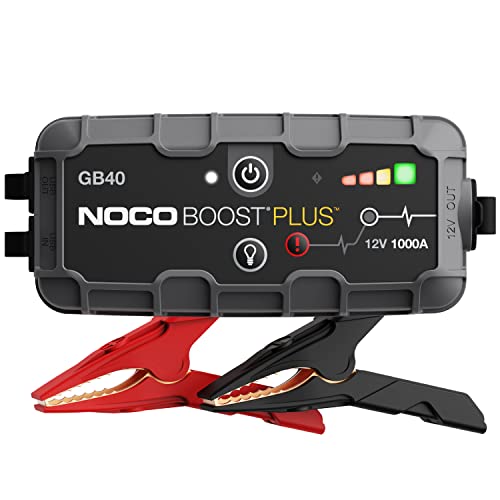
When temperatures drop, car batteries lose cranking power, making cold weather a true test for both jumper cables and jump starters. In short, jump starters generally handle cold weather better than jumper cables because they deliver a controlled, high-current boost without depending on another vehicle’s battery. However, both have limitations in extreme cold, and the best choice depends on your specific situation and preparation.
How Cold Weather Affects Car Batteries and Jump Starting
Cold temperatures slow down the chemical reactions inside a lead-acid battery, reducing its capacity by roughly 35% at 32°F and at 0°F. This means a battery that starts fine in summer may struggle in winter. Jumper cables transfer power from a donor vehicle’s battery, which is also weakened by cold. If the donor car has a weak battery itself, it may not provide enough current. Jump starters, on the other hand, use lithium-ion or lead-acid batteries that are less affected by cold, but they still lose some capacity. Most quality jump starters are rated to operate down to -4°F, but their internal battery may need to be kept warm for optimal performance.
Jumper Cables in Cold Weather: Pros, Cons, and Real Limits
Jumper cables are simple and cheap, but they have significant cold-weather drawbacks. First, you need a second vehicle with a healthy battery. In freezing conditions, finding a willing helper can be difficult, and even if you do, their battery may be too weak. Second, thick cable gauge matters: 4-gauge or 6-gauge cables are best for cold because they reduce voltage drop. Thinner cables (8 or 10 gauge) may not deliver enough current in extreme cold. Third, corroded or loose clamps can cause poor connections, especially when metal contracts in cold. Finally, safety: cold makes battery cases brittle, and a frozen battery can explode if jump-started incorrectly. Always connect positive to positive, negative to a ground point away from the battery.
Jump Starters in Cold Weather: Pros, Cons, and Real Limits
Jump starters (portable power banks) offer independence and convenience. Most modern lithium-ion units can start a car in temperatures as low as -4°F, but their performance drops as they get cold. If you keep the jump starter in a warm house or car interior, it will work better. However, leaving it in a freezing trunk overnight can reduce its capacity. Some units have low-temperature protection that shuts them off if too cold. Key specs: look for a peak amperage rating of at least 600A for a standard car, and 1000A+ for larger engines. Also, ensure the unit has a charge level above 50% before storage, as cold drains batteries faster. A good jump starter also includes USB ports and LED lights, which are handy in winter emergencies.
Which Is More Reliable in Extreme Cold: Head-to-Head Comparison
In sub-zero conditions (below 0°F), both options struggle. Jumper cables rely on another car that may not start. Jump starters may have reduced output. The most reliable solution is a combination: keep a high-quality jump starter (like those reviewed at MustCarBeast’s best jump starters) in a warm place, and also carry heavy-duty jumper cables as a backup. For example, a 4-gauge cable set can work if you find a donor car with a strong battery. But if you’re alone in a remote area, a jump starter is your only option. Also, consider a battery maintainer or trickle charger if you park outside. In moderate cold (20°F to 32°F), both work fine, but jump starters are more convenient. Remember: never use a jump starter on a frozen battery; thaw it first.
Frequently Asked Questions
Can a jump starter be left in a cold car overnight?
It’s not recommended. Lithium-ion batteries lose capacity in extreme cold and can be damaged if discharged below freezing. Keep the jump starter indoors when possible, or in a heated garage. If left in the car, insulate it in a bag or bring it inside if temperatures drop below 14°F.
Do jumper cables work better if the donor car is running?
Yes, having the donor car running improves voltage output and prevents its battery from draining. However, in cold weather, let the donor car run for a few minutes to warm its battery before connecting cables. This helps ensure a stronger jump.
What should I look for in a cold-weather jump starter?
Choose a unit with a high peak amperage (at least 600A), a wide operating temperature range (down to -4°F or lower), and a lithium-ion battery that holds charge well in cold. Also, check for features like reverse polarity protection and a built-in flashlight. For recommendations, see MustCarBeast’s jump starter category.
The Bottom Line
For cold weather, a portable jump starter is generally more reliable than jumper cables because it doesn’t depend on another car. But both have limits: keep your jump starter warm, use thick cables if you go the traditional route, and always prioritize safety. If you live in an area with harsh winters, investing in a high-quality jump starter and maintaining your battery’s health will save you from being stranded.