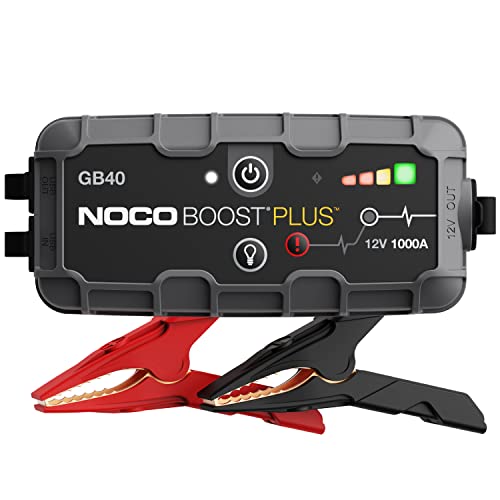
Lithium jump starters typically hold a charge for 3 to 12 months depending on the model, battery capacity, and storage conditions. Most quality units retain 80% or more of their charge after 6 months of storage, making them reliable for emergency use. However, self-discharge rates vary, and factors like temperature and battery age play a significant role.
How Long Do Lithium Jump Starters Hold a Charge: Typical Ranges
On average, a lithium jump starter loses of its charge per month when stored at room temperature (around 70°F or 21°C). This means a fully charged unit can sit for 6 to 12 months before needing a recharge. Cheaper or older models may discharge faster, dropping to 50% capacity within 3-6 months. Premium brands like NOCO or Audew often advertise a 12-month standby time, but real-world results depend on how you store them.
Factors That Affect Charge Retention
Temperature is the biggest factor. Lithium batteries lose charge faster in heat: at 100°F (38°C), self-discharge can double, reducing hold time to 3-4 months. Cold temperatures below freezing also increase internal resistance and may cause temporary capacity loss. Other factors include battery age (older units hold less charge), the quality of the battery management system (BMS), and how often you use or recharge the device. Leaving a jump starter plugged in continuously can also degrade the battery over time.
How to Maximize Your Jump Starter’s Charge Life
Store your lithium jump starter in a cool, dry place between 40°F and 80°F (4°C to 27°C). Avoid leaving it in a car during summer or winter extremes. Recharge the unit every 3-6 months even if you haven’t used it, as lithium batteries prefer to be kept at 50-80% charge for long-term storage. Check the manufacturer’s instructions for specific recommendations. Some jump starters have a storage mode that reduces self-discharge. Also, avoid fully draining the battery, as this can shorten its lifespan.
When to Recharge: Signs Your Jump Starter Needs a Top-Up
Most lithium jump starters have LED indicators showing battery level. If the charge drops below 50%, it’s wise to recharge. If the unit has been sitting for more than 6 months, test it with a multimeter or by attempting to jump a small battery. A jump starter that fails to start a car when needed may have lost too much charge. Also, if the device feels hot during charging or shows a rapid drop in capacity, it might be time for a replacement. For reliable performance, consider investing in a quality unit from our list of best jump starters.
Frequently Asked Questions
Can I leave a lithium jump starter plugged in all the time?
No, it’s not recommended. Constant charging can stress the battery and reduce its lifespan. Most manufacturers advise against leaving it plugged in for more than 24-48 hours. Instead, charge it fully and then disconnect.
Does cold weather drain a lithium jump starter faster?
Cold temperatures don’t directly drain the battery, but they increase internal resistance, which can cause the voltage to drop temporarily. The battery may appear dead but often recovers when warmed up. However, repeated exposure to extreme cold can shorten overall battery life.
How do I know if my jump starter needs replacement?
If your jump starter no longer holds a charge for more than a month, fails to jump-start a vehicle, or shows visible swelling or damage, it’s time to replace it. Most lithium jump starters last 3-5 years with proper care.
The Bottom Line
Lithium jump starters are reliable emergency tools that hold a charge for months, but their longevity depends on storage conditions and maintenance. For best results, recharge every 3-6 months and store in a moderate climate. If you’re in the market for a new one, check out our guide to the best jump starters to find a model with excellent charge retention.