Fixing a P0300 random misfire code typically costs between $100 and $1,000 or more, depending on the root cause. The P0300 code indicates a random misfire detected by your car’s computer, and the repair cost varies widely based on whether the issue is a simple spark plug replacement or a major internal engine problem. This guide breaks down common causes and their associated costs so you can budget accordingly.
Common Causes and Their Repair Costs
The most frequent causes of a P0300 code are ignition system issues, fuel system problems, or vacuum leaks. Here are the typical costs for each repair:
Spark Plugs and Ignition Coils
Worn spark plugs or failing ignition coils are the most common culprits. Replacing spark plugs costs $100 to $300 for parts and labor, while ignition coil replacement ranges from $200 to $600 per coil. Many modern engines require coil-on-plug designs, making labor more expensive. If you DIY, spark plugs cost $2 to $20 each, and coils cost $50 to $150 each.
Fuel Injectors
A clogged or faulty fuel injector can cause misfires. Cleaning injectors costs $50 to $150, while replacement runs $150 to $600 per injector including labor. Some vehicles have injectors integrated into the fuel rail, increasing labor time.
Vacuum Leaks
Intake manifold gaskets or vacuum hoses can leak, causing lean misfires. Repairing a vacuum leak typically costs $150 to $400, depending on the location. A smoke test to find the leak adds $50 to $100.
Engine Mechanical Issues
Low compression due to worn piston rings, valves, or head gasket failure can trigger P0300. Diagnosing this requires a compression test ($100-$200). Repairs can range from $500 for a valve adjustment to $3,000+ for a head gasket replacement or engine rebuild.
Diagnostic Costs: What to Expect
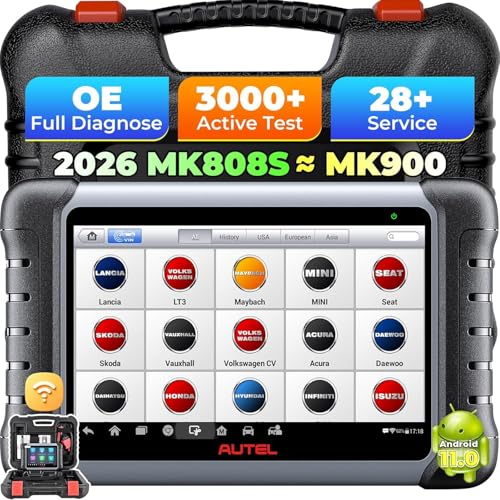
Before any repair, a mechanic will diagnose the P0300 code. Expect to pay $75 to $150 for a diagnostic scan and inspection. Some shops waive this fee if you proceed with repairs. If you own an OBD2 scanner, you can read the code yourself and save the diagnostic fee, but you’ll still need to pinpoint the exact cause using live data and further testing.
DIY vs. Professional Repair: Which Saves More?
If you have mechanical experience, DIY repairs can save 50-70% on labor costs. For example, replacing spark plugs yourself costs only parts ($20-$100), while a shop charges $100-$300 total. However, diagnosing a random misfire can be tricky; you may need a multimeter, fuel pressure gauge, or compression tester. For complex issues like internal engine damage, professional repair is safer. Always consult a repair manual specific to your vehicle before attempting DIY.
Frequently Asked Questions
Can I drive with a P0300 code?
Driving with a P0300 code is not recommended for long distances. A misfire can damage the catalytic converter, leading to $1,000+ in additional repairs. If the engine is running rough, limit driving and address the issue promptly.
Will a P0300 code clear itself?
Sometimes the code clears after a few drive cycles if the misfire was temporary (e.g., due to moisture). However, if the underlying problem persists, the check engine light will return. It’s best to diagnose the cause rather than rely on the code clearing.
How do I know if it’s a spark plug or coil issue?
Swap the suspected coil with another cylinder. If the misfire moves to that cylinder, the coil is bad. If not, check the spark plug. A good OBD2 scanner can show misfire counts per cylinder to help isolate the problem.
The Bottom Line
The cost to fix a P0300 code ranges from as little as $20 for a DIY spark plug replacement to over $3,000 for major engine work. Start with the cheapest and most common fixes: inspect spark plugs and coils. Use a reliable OBD2 scanner to read live data and narrow down the cause. If you’re unsure, a professional diagnostic is a worthwhile investment to avoid replacing parts unnecessarily.