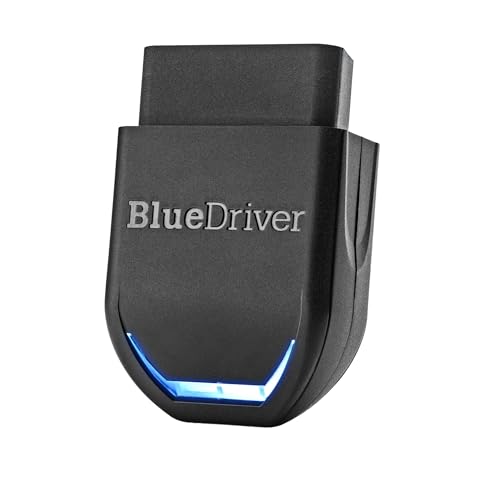
The P0300 code indicates a random or multiple cylinder misfire. Before you spend money on expensive repairs, try these cheap fixes first: clean the mass airflow sensor, inspect spark plugs and ignition coils, and check for vacuum leaks. These simple steps often resolve the issue without a trip to the mechanic.
1. Clean the Mass Airflow Sensor (MAF)
A dirty MAF sensor can cause a lean air-fuel mixture leading to misfires. Remove the sensor, spray it with MAF cleaner (available at auto parts stores for around $10), let it dry, and reinstall. This is a common fix that costs very little and can restore proper engine performance.
2. Inspect and Replace Spark Plugs
Worn or fouled spark plugs are a leading cause of misfires. Check the gap and condition of each plug. If they look worn or have deposits, replace them with the correct type for your vehicle. A set of spark plugs typically costs $20-$60 and can solve the P0300 code quickly.
3. Check Ignition Coils and Wires
Failing ignition coils or damaged wires can cause intermittent misfires. Use a multimeter to test coil resistance (specs vary by vehicle) and look for cracks or carbon tracking. Swap coils between cylinders to see if the misfire moves. Replacing a single coil costs around $30-$80, but you might only need to replace the faulty one.
4. Inspect for Vacuum Leaks
Vacuum leaks allow unmetered air into the engine, causing a lean condition and misfires. Listen for hissing sounds or use a smoke machine. Check hoses, intake manifold gaskets, and PCV valve. A simple fix like tightening a hose clamp or replacing a $5 vacuum line can eliminate the P0300 code.
5. Clean the Throttle Body and IAC Valve
Carbon buildup on the throttle body or idle air control valve can disrupt airflow. Remove the intake duct, spray throttle body cleaner on a rag, and wipe the bore and plate. Clean the IAC valve if accessible. This costs under $10 and can improve idle and reduce misfires.
Frequently Asked Questions
Can a bad O2 sensor cause a P0300 code?
Yes, a faulty O2 sensor can cause incorrect fuel trim adjustments leading to misfires. However, it’s less common than spark or vacuum issues. Use an OBD2 scanner to check O2 sensor readings and consider replacement if other fixes fail. For scanner recommendations, see our best OBD2 scanners guide.
Will a P0300 code clear itself after fixing the problem?
Yes, once the underlying issue is fixed, the check engine light may turn off after several drive cycles. You can also clear the code with an OBD2 scanner. If the misfire is gone, the code should not return. For more on OBD2 scanners, visit our OBD2 scanners category.
Can bad fuel cause a P0300 code?
Absolutely. Contaminated or low-quality fuel can cause misfires. Try adding a fuel system cleaner or filling up with top-tier gasoline. If the problem persists, you may need to drain the tank. This is a cheap fix worth trying before replacing major components.
The Bottom Line
Start with the cheapest fixes: clean the MAF, inspect spark plugs, and check for vacuum leaks. These steps cost under $50 and resolve many P0300 cases. If the code returns, invest in a quality OBD2 scanner to monitor live data and narrow down the issue. Don’t rush to replace expensive parts without first trying these simple solutions.