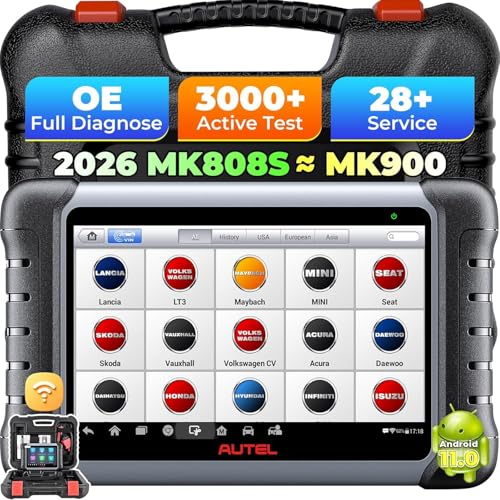
Yes, you can drive with a P0300 code, but it is not recommended. The P0300 code means your engine has random or multiple cylinder misfires, which can lead to serious damage if ignored. You might notice rough idling, hesitation, or reduced power. In the short term, driving a few miles to a repair shop is usually okay, but prolonged driving risks destroying your catalytic converter or causing internal engine damage.
What the P0300 Code Means and Why It Matters
The P0300 code is a generic OBD2 trouble code indicating a random or multiple misfire detected. Unlike specific cylinder misfire codes (P0301-P0308), P0300 means the misfire is not isolated to one cylinder. Common causes include worn spark plugs, faulty ignition coils, vacuum leaks, fuel delivery issues, or even a failing engine control module. Driving with this code can cause unburned fuel to enter the exhaust system, overheating and destroying the catalytic converter. A catalytic converter replacement can cost $1,000-$2,500 or more, so it is wise to address the problem quickly.
How Far Can You Drive With a P0300 Code?
There is no set mileage limit, but experts generally advise driving no more than 50-100 miles with an active P0300 code. If the misfire is severe (constant flashing check engine light), stop driving immediately and tow the vehicle. A flashing light means raw fuel is entering the exhaust, which can quickly ruin the catalytic converter. If the light is steady and the car runs reasonably well, you might be able to drive a short distance to a shop, but always check for other symptoms like overheating, loss of power, or strange noises.
What to Do When You Get a P0300 Code
First, check for obvious issues: loose gas cap, damaged spark plug wires, or visible vacuum leaks. If you have an OBD2 scanner, read the code and note any freeze frame data. Next, inspect spark plugs and ignition coils; replace them if worn (typically every 60,000-100,000 miles). Clean the mass airflow sensor and check for vacuum leaks with a smoke test. If the problem persists, consult a mechanic for a professional diagnosis. Ignoring the code can lead to expensive repairs, so treat it seriously.
Frequently Asked Questions
Can a P0300 code clear itself?
Sometimes, if the misfire was temporary (e.g., caused by moisture), the code may clear after several drive cycles. However, if the underlying issue is not fixed, the code will return. It is best to diagnose and repair the root cause rather than rely on the code clearing on its own.
What are common causes of a P0300 code?
Common causes include worn spark plugs, faulty ignition coils, vacuum leaks, fuel injector problems, low fuel pressure, or a failing engine control module. A thorough inspection is needed to pinpoint the exact issue, as multiple components can cause random misfires.
Is it safe to drive with a P0300 code if the car feels fine?
No, it is not safe even if the car feels fine. The misfire may be intermittent, but it still causes unburned fuel to enter the exhaust, damaging the catalytic converter over time. A steady check engine light means the condition is present, and you should address it promptly to avoid costly repairs.
The Bottom Line
Driving with a P0300 code is risky and should only be done for short distances to reach a repair shop. Ignoring it can lead to catalytic converter failure or engine damage, costing thousands. Use an OBD2 scanner to read the code and start with basic checks like spark plugs and ignition coils. If you are not comfortable diagnosing it yourself, have a professional mechanic inspect the vehicle. The safest bet is to address the misfire as soon as possible to keep your car running reliably.