P0420 means “Catalyst System Efficiency Below Threshold, Bank 1,” and it’s the most common check engine code in America. The engine computer compares the oxygen sensor before your catalytic converter with the one after it; when the downstream sensor’s readings look too similar to the upstream’s, the computer concludes the converter is no longer cleaning the exhaust and sets P0420. It often means an aging converter, but not always, and the difference is a $60 sensor versus a four-figure converter, so diagnosis order matters enormously.
What the Code Is Actually Measuring
A healthy catalytic converter stores and releases oxygen as it burns off unburned fuel, so the oxygen sensor behind it should show a flat, steady signal while the sensor in front switches rapidly. When the rear sensor starts mimicking the front one, the converter’s oxygen storage has degraded, or something is fooling the measurement. P0420 is therefore a comparison verdict, not a direct converter inspection, and everything that skews either sensor can trigger it falsely.
Cheap Causes to Rule Out First
A lazy or contaminated downstream oxygen sensor is the classic false positive, especially past 100,000 miles. A small exhaust leak ahead of the rear sensor pulls in outside air and corrupts the reading; listen for ticking at cold idle and check gasket joints. Engine problems that send unburned fuel into the exhaust, such as misfires, a stuck-open fuel injector, or a faulty coolant temperature sensor keeping the mixture rich, will also depress converter efficiency readings and can cook a good converter into a genuinely bad one if ignored. Fix those first or the new converter dies the same death.
Diagnosing It Yourself
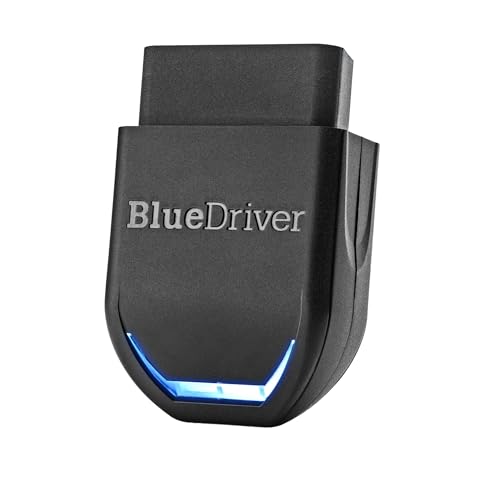
A scanner with live data makes this a driveway job: watch both oxygen sensor voltages at operating temperature. A front sensor oscillating quickly with a rear sensor holding steady near 0.6 volts is healthy; a rear sensor swinging in sympathy with the front confirms the efficiency problem is real. Any misfire codes alongside P0420 change the priority order completely. Our best OBD2 scanners guide covers units with live graphing, and our code reading guide walks through the basics.
The Real Fix and the Real Cost
If diagnosis lands on the converter, an OEM-grade replacement typically runs $900 to $2,500 installed depending on the vehicle, while budget aftermarket converters cost far less but frequently fail to satisfy picky computers, bringing P0420 straight back. In emissions-inspection states the converter must also match your car’s certification. Catalytic converter cleaner additives occasionally help a marginally fouled converter but can’t rebuild degraded catalyst material; treat them as a $15 lottery ticket, not a repair.
Frequently Asked Questions
Can I keep driving with a P0420 code?
Usually yes, short term. The car runs normally, but fuel economy may dip and you’ll fail an emissions test. If misfire codes accompany it, stop driving; raw fuel destroys converters fast.
Will clearing the code make it pass inspection?
No. Clearing resets the readiness monitors, and inspection stations reject cars whose monitors haven’t completed. The code also returns once the computer reruns its catalyst test.
Why did P0420 appear right after I got exhaust work done?
Aftermarket converters, resonator deletes, and even a slightly leaking joint routinely trigger it. High-flow or universal converters often lack the oxygen storage the computer expects.
The Bottom Line
P0420 says the computer no longer trusts your catalytic converter, not necessarily that the converter is dead. Rule out the downstream sensor, exhaust leaks, and any running problems before spending converter money, and confirm with live sensor data rather than parts-cannon guessing. Done in that order, a good share of P0420s cost under a hundred dollars.