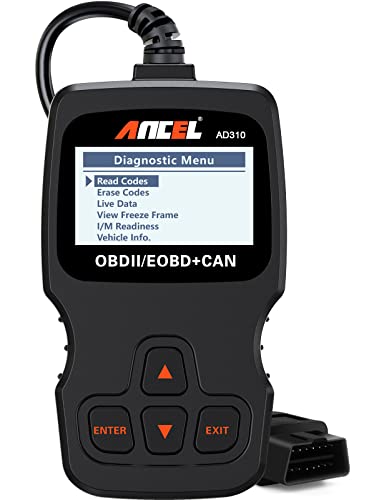
That little glowing engine symbol on your dashboard can turn a normal drive into a stressful guessing game. The good news is that a check engine light is rarely a reason to panic, and very often the cause is something simple you can diagnose at home. The light is your car’s way of telling you that the onboard computer has spotted a problem and stored a trouble code, and the fastest way to find out what that code means is to plug in one of the best OBD2 scanners and read it yourself. In this guide you’ll learn why the light comes on, how to pull the codes step by step, which tools help, the mistakes that catch people out, and the moment it makes sense to hand the keys to a professional.
Why the check engine light comes on
The check engine light, sometimes called the malfunction indicator lamp, is controlled by your car’s onboard diagnostics system. When a sensor reports a reading that falls outside the expected range, the computer logs a trouble code and switches on the light to get your attention. It can cover anything from the engine and exhaust to the fuel system and emissions controls, which is why a single symbol can point to dozens of possible issues.
Some of the most common triggers are surprisingly minor. A loose or worn gas cap is a classic culprit because it lets fuel vapor escape and upsets the emissions reading. Other frequent causes include a failing oxygen sensor, a worn mass airflow sensor, bad spark plugs or ignition coils, and a faulty catalytic converter. A steady light usually means the issue isn’t an emergency, while a flashing light signals a serious problem such as an active engine misfire that you shouldn’t keep driving through.
How to read the codes yourself step by step
Reading the codes at home is easier than most drivers expect, and it saves a trip just to learn what is wrong. Start by locating the OBD2 port, which on almost every car built from 1996 onward sits under the dashboard on the driver side, near the steering column. Make sure the engine is off before you connect anything.
Plug the scanner connector firmly into the port, then turn the ignition key to the on position without starting the engine, so the dashboard lights up but the motor stays quiet. Let the scanner power up and follow its menu to the read codes option. It’ll display one or more codes that begin with a letter and four numbers, such as P0420. Write down every code exactly as shown. Look each one up in the scanner’s guide or a reliable online database to translate it into plain language. Once you understand the fault and have addressed it, you can use the same tool to clear the code and see whether the light stays off after a short drive.
Tools and products you may need
The single most useful tool for this job is a code reader or scan tool that plugs into the OBD2 port. A basic reader pulls and clears generic codes, while a more advanced scanner adds live sensor data, freeze frame snapshots, and manufacturer specific codes that help you pinpoint a problem faster. If you want to compare features and pick the right level for your needs, our roundup of the best OBD2 scanners walks through the options.
Beyond the scanner, a few simple items make the repair side smoother. A fresh gas cap solves a common emissions trigger, a basic socket set helps you reach spark plugs and sensors, and a flashlight makes it easier to inspect connectors under the hood. A pair of work gloves and a notepad for recording codes round out a practical home kit, so you’re ready to both diagnose and act on whatever the light reveals.
Common mistakes to avoid
The biggest mistake is ignoring the light entirely and hoping it goes away. A small fault like a failing oxygen sensor can quietly waste fuel and, over time, damage the catalytic converter into a far bigger repair. Treating the warning early almost always keeps the job simpler and cheaper.
Another common error is clearing the code without fixing the underlying problem. Erasing the code turns the light off for a while, but if the fault is still present it’ll return, and you’ll have lost the freeze frame data that helps with diagnosis. People also tend to assume one code equals one definite part, when a code often points to a system rather than a single component, so a P0420 doesn’t automatically mean the converter is dead. Finally, don’t overlook the easy checks first, such as tightening the gas cap, before you start replacing expensive parts.
When to see a mechanic
Plenty of check engine light issues are within reach of a confident home mechanic, but some clearly belong in a professional’s hands. If the light is flashing, treat it as urgent. A flashing light usually means an active misfire that can dump raw fuel into the exhaust and overheat the catalytic converter, so it’s safest to reduce speed and get the car looked at quickly.
You should also book a mechanic when the codes point to internal engine or transmission faults, when the same code keeps coming back after you have made a repair, or when you notice symptoms like rough running, stalling, loss of power, strange smells, or overheating alongside the light. A professional has the deeper diagnostic equipment and experience to confirm the cause and carry out repairs that go beyond bolt on parts. Using your scanner first still pays off, because walking in with the codes already noted helps the shop work faster and keeps you informed.
Frequently Asked Questions
Is it safe to drive with the check engine light on?
If the light is steady and the car feels normal, it’s usually safe to drive a short distance to a place where you can check the codes, though you shouldn’t put it off for long. If the light is flashing or the car is running rough, stop driving and get it inspected, because a flashing light points to a serious misfire that can cause lasting damage.
Can a loose gas cap really turn the light on?
Yes. A loose, cracked, or missing gas cap is a very common reasons the light appears, because it lets fuel vapor escape and disturbs the emissions system. Tighten or replace the cap, then drive for a short while, and the light will often clear on its own once the system confirms the seal is good.
Will an OBD2 scanner tell me exactly what is wrong?
A scanner tells you which trouble codes the car has stored, which narrows the problem to a system or component and points you in the right direction. It doesn’t always name the single broken part, since one code can have several causes, so use the code as a starting point for further checks rather than a final verdict.
The Bottom Line
A check engine light is a prompt to investigate, not a reason to panic. Most of the time the cause is something manageable, from a loose gas cap to a tired sensor, and you can learn exactly what triggered it in minutes by plugging in a code reader and translating the result. Start with the easy checks, address the real fault rather than just clearing the code, and lean on a mechanic when the light flashes or the codes point to something deeper. If you’re ready to diagnose problems on your own terms, a good scan tool is the place to begin, and our guide to the best OBD2 scanners will help you choose one that fits the way you drive.
Related Guides
- 7 Best OBD2 Diagnostic Scanners (Researched and Compared)
- 7 Best OBD2 Scanners for Prius in 2026 (Researched and Compared)
- 7 Best Police Scanners for Cars (Researched and Compared)
- Bluetooth vs Wired OBD2 Scanner
- Do OBD2 Scanners Work on All Cars
- Should You Clear Check Engine Codes Before an Emissions Test