P0171 means “System Too Lean, Bank 1”: the engine computer is adding as much fuel as its trims allow and the mixture still reads lean. You can usually drive short distances with the code, since the computer compensates within limits, but it isn’t a code to sit on for months. Sustained lean running raises combustion temperatures, invites misfires and pinging, and can damage the catalytic converter, turning a $40 vacuum hose problem into four figures. The cause list is long but well mapped, and most entries are cheap.
What Lean Actually Means
The oxygen sensors report leftover oxygen in the exhaust, and the computer trims fuel to hold the target ratio. P0171 sets when long-term fuel trim maxes out its correction, meaning either unmetered air is sneaking in after the airflow sensor, the airflow sensor is under-reporting, or fuel delivery can’t keep up. That framing sorts every cause: air the engine didn’t measure, measurement lying low, or fuel arriving short.
The Usual Suspects, Cheapest First
Vacuum leaks lead the list: cracked intake hoses, brittle PCV lines and valve, leaking intake manifold gaskets, and disconnected brake booster lines all admit unmetered air, often with a high or rough idle as the tell. A dirty mass airflow sensor under-reads airflow and responds to a $10 can of MAF cleaner. Weak fuel delivery, from a clogged filter, tired pump, or dirty injectors, shows up as lean codes that worsen under load. Exhaust leaks before the oxygen sensor and failing purge valves round out the list. On many engines, a torn intake boot between the MAF and throttle is the single most common cause.
Diagnosing It Without Guessing
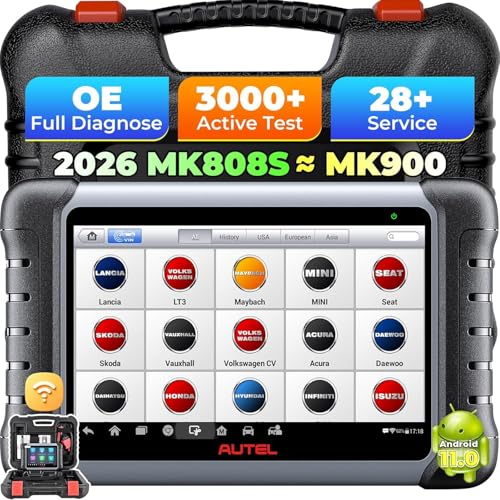
Live data turns this from parts roulette into a process: watch fuel trims at idle and at 2,500 rpm. Trims high at idle that normalize with revs point to a vacuum leak, because a fixed leak matters less as airflow rises; trims that worsen under load point to fuel supply. A smoke test finds leaks in minutes, and spraying carb cleaner around suspect hoses while listening for idle changes is the driveway version. A scanner that graphs trims and MAF readings pays for itself on this one code; see our best OBD2 scanners guide for capable options.
Frequently Asked Questions
How long can I drive with P0171 before damage?
Days to a few weeks of gentle driving is usually tolerable; months is asking for converter and piston trouble. Hesitation, pinging, or added misfire codes mean the compensation has run out and the timeline just shortened.
Why do I have P0171 and P0174 together?
Both banks lean points to a shared cause: a vacuum leak at the manifold, a dirty MAF, or weak fuel pressure, rather than a single injector or one bank’s gasket. It actually narrows the search.
Can bad gas cause a lean code?
Rarely directly, but a heavily fouled fuel filter or winter-blend quirks can contribute. Ethanol-heavy fuel slightly leans mixtures, though modern computers trim for it easily; persistent P0171 deserves a mechanical explanation.
The Bottom Line
P0171 is drivable briefly and diagnosable cheaply, and the fix is more often a hose, a gasket, or sensor cleaning than anything expensive. Read the fuel trims, smoke-test the intake, and repair the actual cause soon; the code’s real cost only appears when it’s ignored long enough to cook the converter.