That glowing check engine light doesn’t have to send you straight to a repair shop. With a basic plug in tool, you can find out exactly what your car is trying to tell you in just a few minutes, right in your own driveway. An OBD2 scanner reads the codes stored by your vehicle computer and turns a vague warning light into clear information you can act on. This guide walks you through what the device does, how to connect it, the gear you may want, the slip ups to steer clear of, and the moments when a professional is the smarter call. If you don’t own one yet, our roundup of the best OBD2 scanners is a good place to start.
What an OBD2 Scanner Does
An OBD2 scanner is a small handheld or plug in device that talks directly to your car onboard diagnostics system. Every vehicle sold in the United States since 1996 carries this standardized system, which constantly monitors the engine, transmission, emissions, and dozens of other components through a network of sensors. When something falls outside normal range, the computer logs a diagnostic trouble code and often triggers the check engine light on your dashboard.
The scanner pulls those codes out of the computer so you can read them. A code such as P0301 points to a specific issue, in this case a misfire in cylinder one, rather than leaving you guessing. Many scanners also display live sensor data, freeze frame information that captures conditions at the moment a fault occurred, and emissions readiness status. In short, the tool acts as a translator between your car and you, replacing a single mystery light with a detailed report.
Step by Step: How to Plug In and Read Codes
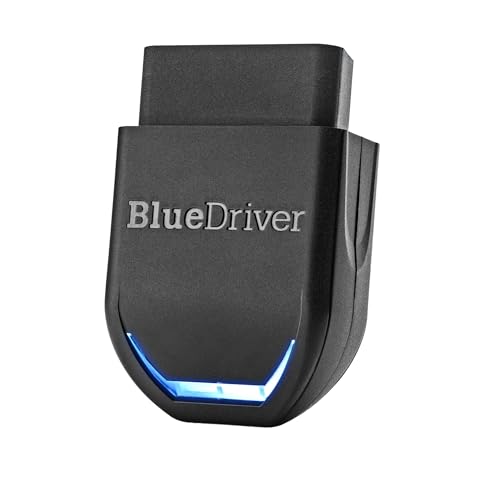
Start by locating the OBD2 port. In most cars it sits under the dashboard on the driver side, within reach of your knees, though some are tucked behind a small panel or near the center console. Once you find it, turn the ignition to the on position without starting the engine, which powers up the computer. Firmly plug the scanner connector into the port until it seats fully. Wireless adapters work the same way but pair with a phone app over Bluetooth instead of a screen on the device itself.
After the scanner powers on, choose the option to read or scan codes from the menu. Within a few seconds it’ll display any stored trouble codes along with short descriptions. Write down each code exactly as shown, then look it up in the scanner glossary or a trusted online database to understand the cause. If you have made a repair and want to reset the light, select the clear or erase function, but only after you have noted the codes and addressed the underlying problem. Clearing a code without a fix simply makes the light return.
Tools and Products You May Need
The main piece of equipment is the scanner itself, and choosing the right one matters. Entry level code readers handle basic read and clear functions, while more capable units add live data graphs, ABS and airbag access, and smog readiness checks. Bluetooth dongles that pair with a free app turn your phone into the display and tend to be the most compact option. Comparing features across models is worth the effort, and our guide to the best OBD2 scanners breaks down which type suits beginners versus serious home mechanics.
Beyond the scanner, a few extras make the job easier. A small flashlight or headlamp helps you find the port in dim footwells. A notepad or phone notes app lets you record codes before clearing them. If you plan to diagnose battery or charging issues alongside engine codes, a basic multimeter is a useful companion. For wireless setups, make sure your phone has the matching app installed and that Bluetooth is switched on before you head out to the car.
Mistakes to Avoid
The most common error is clearing codes too soon. Erasing a trouble code doesn’t repair anything, it only resets the light until the fault is detected again. Worse, clearing codes right before an emissions test wipes the readiness monitors, which can cause your car to fail because the system hasn’t finished running its self checks. Always note codes first, fix the cause, then confirm the light stays off on its own over several drives.
Another frequent slip is forcing the connector or plugging in with the engine running in a way the scanner doesn’t expect. Seat the plug gently but fully, and follow your scanner instructions about ignition position. People also tend to panic over a single code without checking whether it’s a minor issue, such as a loose gas cap triggering an evaporative emissions code, or something serious. Finally, don’t ignore pending codes or rely on a cheap scanner that can’t read manufacturer specific data, since both can leave real problems hidden.
When to Call a Mechanic
A scanner is a powerful first step, but it has limits. If the code points to a serious system such as the transmission, brakes, airbags, or a persistent misfire that could damage the engine or catalytic converter, it’s wise to bring in a professional rather than keep driving. The same applies when the check engine light is flashing rather than steady, which usually signals an active misfire that needs prompt attention.
You should also seek help when a code keeps returning after you have made what seemed like the correct repair, or when the scanner reports several unrelated codes at once that suggest a deeper electrical or computer fault. Reading a code tells you where to look, but accurately interpreting it and carrying out the repair sometimes calls for specialized tools, training, and experience. There’s no shame in using the scanner to gather information and then handing that information to a trusted shop so the work gets done right the first time.
Frequently Asked Questions
Can I leave an OBD2 scanner plugged in while driving?
Many drivers keep a Bluetooth dongle connected to monitor live data on a phone app during regular driving, and this is generally fine for short to medium term use. For long term plug in adapters, choose one designed to enter a low power sleep mode so it doesn’t slowly drain your battery when the car sits unused for days.
Will using an OBD2 scanner harm my car?
No. Reading codes is a passive process that simply requests information already stored in the computer, so it can’t damage your vehicle. Clearing codes is also safe for the hardware, though you should only erase them after addressing the actual problem so you don’t lose useful diagnostic information.
Do I need an expensive scanner to read check engine codes?
Not for basic needs. An affordable code reader will display and clear standard engine codes on any vehicle built since 1996. You only need to step up to a pricier model if you want live data graphs, ABS and airbag diagnostics, or manufacturer specific codes for deeper troubleshooting.
The Bottom Line
Using an OBD2 scanner at home is one of the easiest ways to take control of your car health and avoid surprise repair surprises. Once you know where the port is, how to read and record codes, and which mistakes to sidestep, you can turn a worrying dashboard light into a clear plan of action in minutes. Remember to treat the scanner as a diagnostic guide rather than a cure, and bring in a mechanic whenever the codes point to serious or stubborn problems. If you’re ready to add this handy tool to your garage, compare the options in our guide to the best OBD2 scanners and pick the one that fits how you drive.
Related Guides
- How to Clear a Check Engine Light
- 7 Best Automotive Scanner and Programmer (Researched and Compared)
- 7 Best OBD for BMW (Researched and Compared)
- What the Check Engine Light Flashing vs Steady Really Means
- 7 Best Auto Code Scanners (Researched and Compared)
- 7 Best OBD2 Scanners for Prius in 2026 (Researched and Compared)
