P0300 is a diagnostic trouble code (DTC) indicating a random or multiple cylinder misfire. This means the engine’s computer has detected that one or more cylinders are not firing properly, but not consistently enough to pinpoint a specific cylinder. The fix involves a systematic inspection of ignition, fuel, and mechanical systems. Below, we break down the most common causes and repairs.
1. Common Causes of P0300
The P0300 code can stem from several issues. The most frequent culprits include worn spark plugs (60,000-100,000 mile lifespan), failing ignition coils, clogged fuel injectors, vacuum leaks, or low fuel pressure. Less common but serious causes are low engine compression or a faulty engine control module (ECM).
2. Diagnostic Steps to Pinpoint the Problem
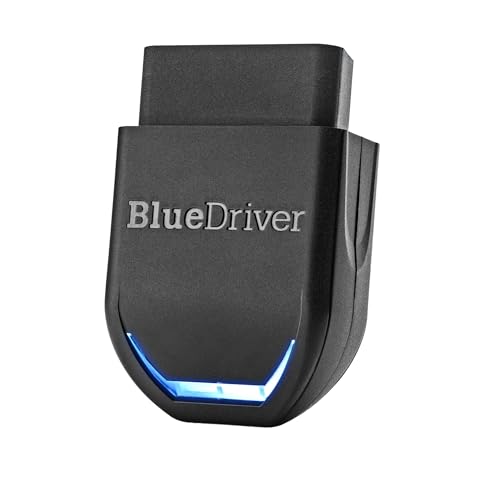
Start by visually inspecting spark plug wires and coils for damage. Use an OBD2 scanner to check for additional codes that may point to a specific cylinder. Then, perform a fuel pressure test (should be 30-80 psi depending on the vehicle) and a compression test (minimum 100 psi per cylinder, with less than 10% variation). A smoke test can identify vacuum leaks. Always check the air filter and MAF sensor for contamination.
3. Repair Costs and Recommendations
Costs vary widely: spark plugs cost $50-$150 for parts and labor; ignition coils run $100-$300 per coil; fuel injector cleaning is $50-$150, while replacement can be $200-$600 per injector. For vacuum leaks, repair costs range from $100 to $500. If compression is low, internal engine repairs can exceed $1,000. We recommend replacing all spark plugs and coils as a set if one fails, as others may follow soon. Use quality parts from brands like NGK or Denso.
4. Honest Caveats and When to Seek Professional Help
P0300 can be intermittent, making diagnosis tricky. A simple tune-up may not solve the issue if the root cause is a failing ECM or internal engine damage. If you’ve replaced ignition components and the code returns, perform a compression test before spending more money. Also, be aware that aftermarket parts may cause the code if not compatible. For advanced diagnostics, a professional shop with a oscilloscope can analyze misfire patterns accurately.
Frequently Asked Questions
Can I drive with a P0300 code?
It’s not recommended. Driving with a misfire can damage the catalytic converter and other engine components, leading to costly repairs. If the engine is running rough, have it towed to a shop.
Will a tune-up fix P0300?
Often, yes, if the misfire is due to worn spark plugs or coils. However, if the cause is fuel-related or mechanical, a tune-up won’t help. Always diagnose first.
How much does it cost to fix P0300?
Costs range from $100 for a simple spark plug replacement to over $1,500 for major engine work. The average repair is between $200 and $500.
The Bottom Line
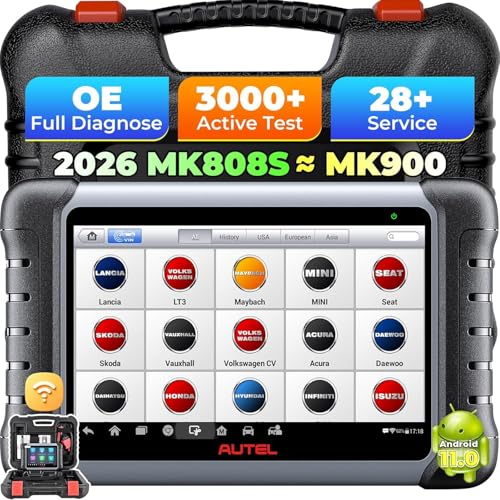
P0300 is a common but serious code that requires systematic diagnosis. Start with the cheapest and most common fixes (spark plugs and coils), then move to fuel and compression checks. Use a quality OBD2 scanner to read live data and other codes. For more guidance, see our OBD2 scanner category for diagnostic tools that can help you pinpoint the issue.