The P0455 code means your car’s computer has detected a large leak in the evaporative emission control (EVAP) system. This system prevents fuel vapors from escaping into the atmosphere. The most common cause is a loose or faulty gas cap, but other components like hoses or the purge valve can also fail. Fixing it is usually straightforward and inexpensive.
What Is the EVAP System and How Does the P0455 Code Trigger?
The EVAP system captures fuel vapors from the fuel tank and stores them in a charcoal canister. When the engine runs, a purge valve opens to allow the vapors into the intake for combustion. The system is monitored for leaks. A P0455 code sets when the computer detects a leak larger than 0.020 inches (or about the size of a pencil hole). This is a “gross leak” code, distinct from smaller leak codes like P0456.
Common Causes of P0455 (With Fixes and Costs)
1. Loose or Faulty Gas Cap (60% of cases)
First, tighten the gas cap until you hear 3 clicks. If the cap is cracked or the seal is worn, replace it. A new cap costs $10-$25. After tightening or replacing, clear the code and drive 50-100 miles; it often stays off.
2. Damaged EVAP Hoses or Lines
Inspect all rubber hoses from the fuel tank to the purge valve and canister. Look for cracks, splits, or disconnected lines. A small section of hose costs $5-$15. Use a smoke machine to pinpoint leaks if you can’t see them. Repair shops charge $100-$150 for smoke testing.
3. Faulty Purge Valve or Vent Valve
The purge valve (usually on the engine intake) and the vent valve (near the canister) can stick open or closed. A stuck-open purge valve causes a constant vacuum leak. Test with a multimeter or scan tool. Replacement cost: $30-$80 for the part, plus labor if you don’t DIY.
4. Cracked Charcoal Canister
Less common, but the canister can crack from road debris or age. It’s located near the fuel tank. Replacement can cost $150-$300 including labor. Check for physical damage before replacing.
Step-by-Step Diagnosis for P0455
1. Check the gas cap first. Tighten and inspect. Clear the code with an OBD2 scanner. If it returns, move on.
2. Visual inspection of hoses. Look for obvious damage under the hood and near the tank. Use a mirror if needed.
3. Smoke test. A shop can introduce smoke into the EVAP system to find leaks. This is the most reliable method.
4. Test the purge valve. Remove it and apply vacuum; it should hold. Check resistance with a multimeter (typically 20-40 ohms).
5. Check the vent valve. It should be closed when the engine is off. Apply power to open it; if it fails, replace.
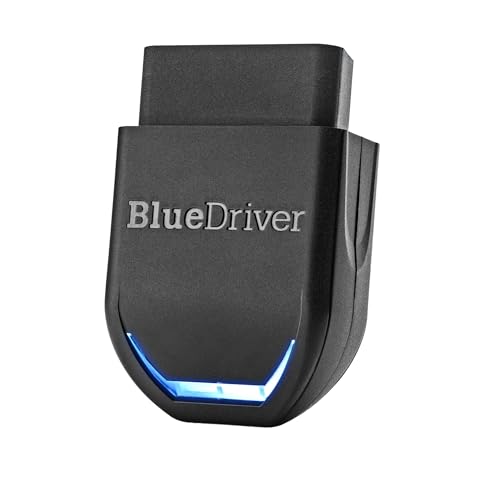
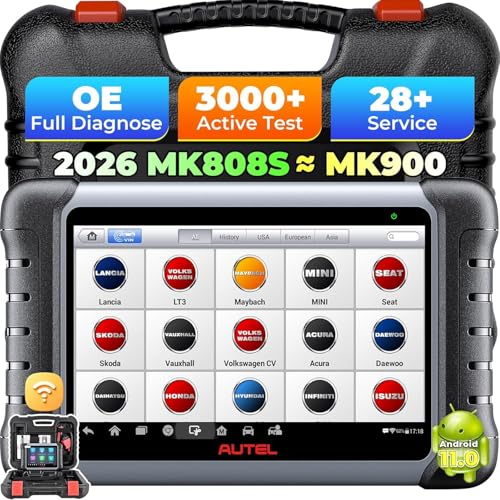
For a thorough guide on using OBD2 scanners to diagnose EVAP codes, check out our OBD2 scanner category.
Frequently Asked Questions
Can I drive with a P0455 code?
Yes, it’s generally safe to drive short distances. The code won’t cause immediate damage, but it may fail an emissions test. Over time, a large leak can allow dirt into the system or cause fuel odor. Fix it promptly.
Will a P0455 code clear itself?
If the leak is fixed (e.g., tightening the gas cap), the code may clear after several drive cycles (usually 50-100 miles). However, it’s better to clear it with an OBD2 scanner to reset the monitor.
How much does it cost to fix a P0455 code?
Cost varies from $0 (tightening gas cap) to $300 (replacing canister). Most fixes are under $100. Diagnostic fees at a shop range from $100-$150 for smoke testing.
The Bottom Line
The P0455 code is almost always a simple fix. Start with the gas cap, then inspect hoses. If you need to clear codes or monitor live data, a reliable OBD2 scanner is essential. For recommendations, see our list of best OBD2 scanners. With basic tools and patience, you can resolve this code in under an hour.