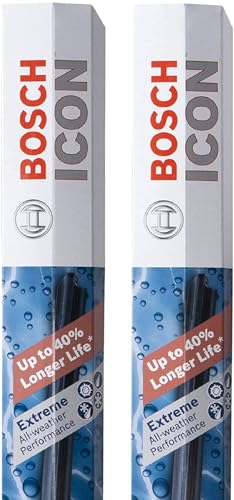
Silicone wiper blades typically last between 1 and 2 years, which is about 6 to 12 months longer than standard rubber blades. Their durable silicone material resists heat, UV rays, and ozone better than rubber, making them a longer-lasting choice for most drivers.
Average Lifespan of Silicone Wiper Blades
On average, silicone wiper blades last 12 to 24 months under normal driving conditions. In mild climates with moderate rain and snow, you can expect closer to 2 years. However, in extreme heat (above 100°F) or heavy snow and ice, the lifespan may drop to 12-18 months. Frequent use on dirty windshields or in dusty environments can also reduce longevity by a few months.
Factors That Affect Silicone Wiper Blade Durability
Three key factors determine how long your silicone blades will last: climate, driving habits, and maintenance. UV exposure and ozone are the biggest enemies; silicone resists these better than rubber but still degrades over time. Parking in a garage can extend blade life by 6 months or more. Using your wipers on dry glass (e.g., to clear dust) accelerates wear. Regular cleaning of the blade edge with a damp cloth every month can help maintain performance and add months to its life.
Signs It’s Time to Replace Silicone Wiper Blades
Even long-lasting silicone blades need replacement when they show clear signs of wear. Look for streaking, skipping, or chattering across the windshield. If the blade leaves a thin film of water or fails to clear the glass in one pass, it’s time to change them. Also check for physical damage like cracks, splits, or a bent frame. Most manufacturers recommend replacing blades at least every 12 months, even if they seem fine, because the rubber compound hardens over time.
Silicone vs. Rubber: Which Lasts Longer?
Silicone blades consistently outlast rubber blades by 6 to 12 months in real-world use. While a quality rubber blade lasts 6-12 months, silicone can reach 18-24 months. The trade-off is cost: silicone blades are typically $10-20 more per pair. However, the longer lifespan often makes silicone more cost-effective over time. For drivers in hot, sunny climates or those who want to change blades less often, silicone is the better choice. For budget-conscious drivers in mild climates, rubber may suffice.
Frequently Asked Questions
Can silicone wiper blades last 3 years?
While some manufacturers claim up to 3 years, in practice most silicone blades need replacement after 2 years. The material hardens and loses flexibility, reducing performance even if not visibly damaged.
Do silicone wiper blades work better in snow?
Silicone blades perform well in snow and ice because they resist freezing and remain flexible in cold temperatures. However, they are not immune to ice buildup and should be cleared before use.
How do I make my silicone wiper blades last longer?
Clean the blades monthly with a mild detergent and water, avoid using wipers on dry glass, and park in a garage or shaded area to reduce UV exposure. Replace them at the first sign of streaking.
The Bottom Line
Silicone wiper blades offer a longer lifespan than rubber, typically 1-2 years, making them a smart upgrade for most drivers. While they cost more upfront, their durability can save you money and hassle over time. For best results, inspect your blades every 6 months and replace them when performance drops. If you’re looking for a reliable set, check out our guide to the best wiper blades for recommendations.