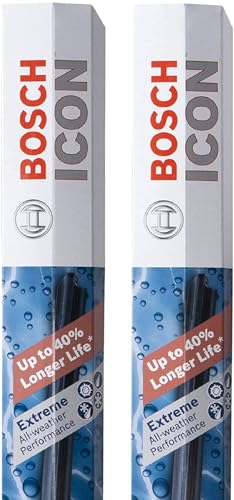
Wiper blades are easy to ignore until they start streaking, skipping, or smearing across your windshield in the rain. The good news is that the rubber on most blades wears out far faster than it needs to, simply because of how the blades are treated day to day. With a few easy habits, you can stretch the useful life of your blades and enjoy a clear view for many extra months.
This guide walks through what wears blades out, the routine that keeps them supple, the tools that help, and the common mistakes that quietly destroy rubber. Starting with a durable set of blades gives you a strong foundation, and good care does the rest.
What Shortens Wiper Blade Life
The rubber edge of a wiper blade is the part that actually clears your glass, and it’s surprisingly fragile. Sunlight is one of the biggest culprits. Ultraviolet rays dry out the rubber, making it stiff and brittle until it cracks and tears. Heat from a parked car in summer speeds this process along.
Grit is another quiet enemy. Dust, sand, and dried road salt act like sandpaper, grinding away the fine edge every time the blade sweeps. Running the wipers on a dry windshield forces the rubber to drag across that grit with no water to cushion it. Ice and frozen snow can nick the edge or bend the frame, and old washer fluid residue can leave a film that makes blades chatter. Each of these factors chips away at performance, so reducing them is the heart of making blades last.
Step-by-Step Habits to Extend Blade Life
A short, consistent routine does more than any single product. Build these habits into your monthly car care and you’ll notice the difference.
- Clean the blades monthly by wiping the rubber edge with a damp cloth to remove built-up grime.
- Keep the glass clean so the blades glide over a smooth surface instead of fighting dirt.
- Don’t use wipers on a dry or icy screen, since dragging rubber across grit or ice tears the edge.
- Park in shade whenever possible to limit the sun damage that dries and cracks the rubber.
- Lift the arms in frost so the blades don’t freeze to the glass and rip when you drive off.
These steps cost nothing but a few minutes, and together they can double how long a set of blades stays effective.
Tools and Products You May Need
You don’t need a workshop to care for your blades. A microfiber cloth and a little rubbing alcohol let you clean the rubber edge gently and lift away the film that causes streaking. A bottle of quality washer fluid keeps the glass lubricated and helps the blades move freely instead of skipping.
A soft glass cleaner removes baked-on bugs and grime so the wipers aren’t forced to scrub. A frost cover or simple cardboard sheet protects the windshield on cold nights and saves you from chiseling ice off the blades. When the rubber is finally worn out, a replacement set of the best windshield wipers will restore a clean, quiet sweep. Keeping these few items in the trunk makes regular care easy.
Mistakes to Avoid
A few common habits undo all your good care, so watch out for these.
- Scraping ice off the glass with the blades instead of an ice scraper, which bends and tears the rubber.
- Ignoring streaks and squeaks until the blades smear badly, by then the edge is already ruined.
- Using household glass cleaners with ammonia, which can dry out and crack the rubber over time.
- Leaving the car in full sun all day without any shade or cover during hot months.
- Running the wipers on a dusty, dry windshield to clear a light film of dirt.
Avoiding these traps protects the rubber edge and keeps your view clear far longer.
When Silicone Blades Are the Longer-Lasting Choice
Most standard blades use natural or synthetic rubber, which is affordable but breaks down faster under sun and heat. Silicone blades are a step up for drivers who want the longest service life. Silicone resists ultraviolet damage far better than rubber, so it stays flexible and crack-free through more seasons of harsh weather.
Silicone also tends to leave a thin water-repellent layer on the glass over time, which helps rain bead and roll away. If you live in a hot, sunny region or simply hate replacing blades often, silicone is worth the higher upfront cost. For mild climates or budget-minded drivers, well-maintained rubber blades still perform admirably, so the choice comes down to your weather and how often you want to swap them out.
Frequently Asked Questions
How often should I replace my wiper blades?
Most blades last six months to a year, though good care can push that longer. Replace them as soon as you notice streaking, skipping, or squeaking that doesn’t clean off the glass.
Can I clean wiper blades instead of replacing them?
Yes. Wiping the rubber edge with a damp microfiber cloth and a little rubbing alcohol removes grime and often restores a clean sweep, buying you extra months before a full replacement is needed.
Are silicone wiper blades worth the extra cost?
For hot, sunny climates they often are, since silicone resists sun damage and stays flexible much longer than rubber. In milder weather, well-maintained rubber blades remain a solid and economical option.
The Bottom Line
Wiper blades don’t have to be a frequent expense or a source of frustration. By cleaning them monthly, keeping the glass clear, parking in shade, and never dragging them across a dry or icy screen, you protect the delicate rubber edge that does all the work. Avoiding the common mistakes that crack and tear the rubber stretches every set even further. When the time comes to upgrade, choosing long-lasting blades, and considering silicone for harsh climates, sets you up for clear views with far less hassle for seasons to come.
Related Guides
- 7 Best Wipers for the Money (Researched and Compared)
- 7 Best Budget Windshield Wipers for Cars in 2026 (Researched and Compared)
- 7 Best Windshield Wipers for Winter (Researched and Compared)
- 7 Best Heated Windshield Wipers (Researched and Compared)
- 7 Best Wiper Blades for Tesla Model 3 (Researched and Compared)
- Why Are My Windshield Wipers Loud?
