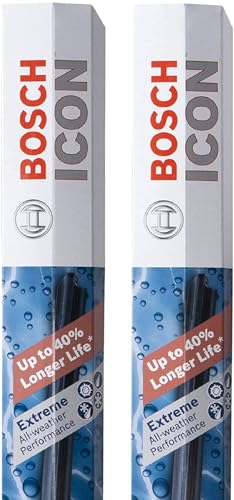
Rear wipers typically fail earlier than front wipers because they are used less frequently, exposed to more direct sunlight and debris, and often neglected during maintenance. The rubber dries out and cracks, or the arm mechanism seizes due to lack of lubrication. Understanding the specific causes can help you prevent premature failure and save money on replacements.
1. Sun and Weather Exposure
Unlike front wipers that are partially shielded by the hood, rear wipers sit fully exposed to UV rays, rain, snow, and extreme temperatures. UV radiation degrades the rubber blade, causing it to harden, crack, or split within 6-12 months. Extreme cold can make the rubber brittle, while heat accelerates drying. If you park outdoors, expect rear wiper blades to last only half as long as front ones (typically 6-12 months vs. 12-18 months). Using a sunshade or parking in a garage can slow this process.
2. Infrequent Use and Debris Buildup
Rear wipers are often used sporadically, allowing dirt, pollen, tree sap, and road grime to accumulate on the blade and glass. When you finally use the wiper, this debris acts like sandpaper, grinding down the rubber edge quickly. Additionally, the rear wiper arm may not clear the glass fully, leaving a dry patch that causes chattering and uneven wear. To combat this, clean the rear glass and wiper blade monthly with a mild glass cleaner or rubbing alcohol. Also, lubricate the arm pivot point with silicone spray every three months to prevent sticking.
3. Mechanical Issues with the Arm and Motor
Rear wiper arms are often shorter and have a different pivot angle than front arms, making them more prone to bending or losing tension. If the arm doesn’t press the blade firmly against the glass, it will skip or leave streaks, leading to faster wear. The rear wiper motor can also fail if the mechanism seizes due to corrosion or lack of use. A common sign is the wiper moving slowly or stopping mid-cycle. Replacing the entire arm assembly (costing $15-40) may be necessary if the spring tension is lost. Check the arm by lifting it; it should snap back firmly. If it feels loose, replace it.
4. Wrong Blade Size or Type
Many drivers use a universal blade that doesn’t match the exact curvature of the rear glass. Rear windows are often more curved than windshields, so a straight blade may not make full contact. This causes uneven pressure and premature wear on the edges. Always consult your owner’s manual for the correct length (typically 10-14 inches for rear wipers) and consider a beam-style blade that conforms better to curved glass. Avoid cheap blades; spend $10-20 for a quality brand.
Frequently Asked Questions
How often should I replace my rear wiper blade?
Replace it every 6-12 months, or as soon as you notice streaking, chattering, or skipping. If you live in a sunny or snowy climate, check it every 6 months.
Can I just replace the rubber insert instead of the whole blade?
Some rear wiper arms allow you to replace only the rubber insert, but it’s often easier and more effective to replace the entire blade. Inserts can be hard to find for rear wipers, and the blade frame may already be worn.
Why does my rear wiper make a loud squeaking noise?
Squeaking usually means the blade is dry, dirty, or the glass is not clean. Clean the blade and glass with a damp cloth. If the noise persists, the blade is likely hardened and needs replacement.
The Bottom Line
Rear wipers fail early due to sun exposure, infrequent use, debris, and mechanical wear. To extend their life, clean the blade and glass monthly, lubricate the arm, and replace the blade every 6-12 months. For more wiper maintenance tips, check out our wiper blade guide or explore other car care essentials.