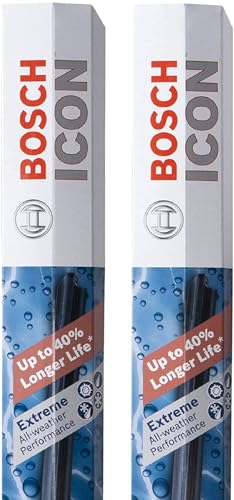
Beam wiper blades fail early primarily because of prolonged exposure to UV rays, improper installation, and debris buildup. Unlike traditional blades, beam blades have a one-piece design that can warp under heat and lack replaceable rubber inserts, making them more prone to streaking and chattering within 6-12 months.
1. UV Damage and Heat Exposure
Beam blades are made from synthetic rubber and plastic compounds that degrade rapidly under direct sunlight. UV rays break down the rubber, causing it to harden, crack, and lose flexibility. In hot climates, temperatures inside a windshield can exceed 150°F, accelerating this process. Most beam blades last only 6-9 months in sunny regions, compared to 12-18 months in milder areas. Parking in a garage or using a sunshade can significantly extend their life.
2. Improper Installation and Fit
Many beam blades fail because they are not installed correctly. The adapter must click firmly onto the wiper arm, and the blade should sit flush against the glass. A loose fit causes the blade to lift at high speeds, leaving streaks. Additionally, using the wrong size (e.g., too long or too short) puts uneven pressure on the glass. Always check your vehicle’s manual for the exact length; even a 1-inch difference can cause premature wear. Some beam blades are designed for specific curvature windshields – using a universal fit on a heavily curved glass can lead to early failure.
3. Debris and Contaminants
Road grime, tree sap, bird droppings, and bug splatter accumulate on the blade edge, causing scratches and tearing. Unlike traditional blades, beam blades have no metal frame to shield the rubber, so debris directly contacts the wiping edge. Regularly cleaning the blade with a soft cloth and glass cleaner can prevent this. Avoid using the wipers on a dry windshield – this grinds dirt into the rubber and can ruin the blade in just a few swipes. In winter, ice and snow buildup can also snap the blade or bend the beam structure.
4. Quality Variations and Material Grade
Not all beam blades are equal. Budget brands often use lower-grade rubber that contains more filler materials, leading to faster hardening and cracking. Premium beam blades use EPDM rubber or silicone, which resist UV and ozone better. For example, silicone beam blades can last 2-3 times longer than standard rubber ones. Check the packaging for material specifications – if it doesn’t mention EPDM or silicone, expect shorter life. Also, some beam blades have a graphite coating that wears off quickly, causing chattering after a few months.
Frequently Asked Questions
Can I replace just the rubber insert on beam wiper blades?
No, most beam blades are one-piece designs. Unlike traditional blades with replaceable inserts, beam blades require full replacement. Some premium brands offer refill kits, but they are rare and model-specific.
How often should I replace beam wiper blades?
Replace them every 6-12 months, or sooner if you notice streaking, chattering, or skipping. In harsh climates, check every 3-4 months. A good rule is to replace them at the start of each rainy season.
Do beam wiper blades work better in snow?
Beam blades generally perform better in snow than traditional blades because they have fewer joints where ice can accumulate. However, heavy snow buildup can still weigh them down. Using winter-specific beam blades with a rubber cover can help.
The Bottom Line
Beam wiper blades fail early due to UV damage, improper installation, debris, and low-quality materials. To maximize their life, park in the shade, clean the blades regularly, and invest in premium silicone or EPDM options. Replace them annually or at the first sign of wear. For more tips on wiper blade maintenance, check out our guide on wiper blade care.