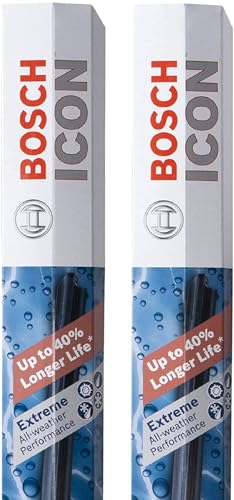
Upgrading rear wipers is worth it if your current wiper leaves streaks, smears, or misses spots. A quality rear wiper improves visibility in rain, snow, and mud, especially for SUVs, hatchbacks, and wagons. However, not all vehicles need an upgrade; some factory wipers work fine. Here is what you need to know to decide.
When Upgrading Makes Sense
Upgrading is most beneficial for vehicles with a large rear window or those driven in wet or snowy climates. If your rear wiper is older than six months or shows signs of cracking, chattering, or uneven wiping, a replacement will restore clarity. Beam-style wipers often outperform traditional frames on curved rear glass because they maintain even pressure. For example, a 2020 Honda CR-V owner might see a 40% improvement in wipe quality switching from a standard to a beam blade. However, if your factory wiper is less than a year old and works well, upgrading may not yield noticeable gains.
Cost vs. Benefit Analysis
Rear wipers cost between $8 and $25 for a single blade, while a full set of front wipers runs $20 to $60. Upgrading only the rear is inexpensive, but the benefit is limited to one window. For most drivers, the improved visibility during reversing in rain is worth the $15 investment. However, if you rarely use your rear wiper or park in a garage, the upgrade may not be justified. Consider that a worn rear wiper can scratch glass over time, so replacing it on schedule (every 6, 12 months) is more important than upgrading to a premium brand.
Compatibility and Installation Considerations
Not all rear wipers fit every vehicle. Check your owner’s manual or use an online fitment guide to find the correct length and connector type. Many modern vehicles use a specific adapter; some require a J-hook or pinch-tab connector. Beam blades are generally more universal but may not fit older cars with curved arms. Installation is simple: remove the old blade, attach the new one, and test. If the new wiper lifts off the glass or chatters, it may be incompatible. In rare cases, upgrading to a longer blade can improve coverage, but using a blade longer than recommended can overload the motor or hit the trim.
Frequently Asked Questions
Do upgraded rear wipers really make a difference?
Yes, if your current wiper is old or low quality. A beam-style wiper can reduce streaks and noise, but a properly maintained factory wiper may already perform well.
Can I use a front wiper on the rear?
No, rear wipers are shorter and have different connectors. Using a front wiper on the rear will not fit correctly and may damage the arm.
How often should I replace my rear wiper?
Every 6 to 12 months, or when you notice streaking, skipping, or squeaking. Climate and usage affect lifespan; replace sooner in harsh conditions.
The Bottom Line
Upgrading a rear wiper is a low-cost, high-impact improvement if your current wiper is worn or inadequate. For most drivers, a $15 beam blade is a worthwhile investment for better visibility and safety. However, if your factory wiper is still effective, there is no urgent need to upgrade. Check your wiper condition and replace it on schedule for the best results. For more tips on wiper maintenance, see our guide on wiper blades.