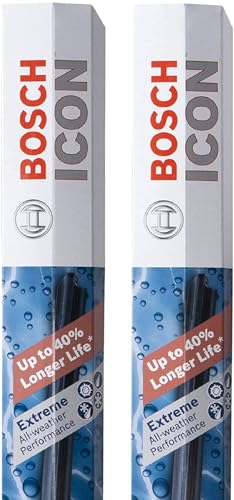
Silicone wiper blades are worth upgrading to if you want longer-lasting performance and better durability in extreme weather. They typically last 12-18 months versus 6-9 months for rubber, and they resist cracking from UV rays and heat. However, they cost $20-40 per blade compared to $10-20 for rubber, so the upfront investment is higher.
How Silicone Blades Compare to Rubber in Lifespan and Performance
Standard rubber wiper blades degrade quickly from ozone, UV exposure, and temperature swings. Silicone blades are made from a synthetic polymer that resists these elements. In hot climates, rubber can harden and crack within 6 months, while silicone stays flexible for 12-18 months or more. In cold weather, silicone remains pliable down to -40°F, reducing skipping and chatter. However, silicone blades can be slightly less effective at clearing heavy snow or ice because they are softer. For most drivers, the trade-off is worth it: you replace blades half as often.
Cost Analysis: Are Silicone Blades More Expensive Over Time?
At $20-40 per blade, silicone costs 2-3x more than premium rubber blades ($10-20). But because they last 2-3x longer, the annual cost is often similar or slightly lower. For example, if rubber blades cost $15 and last 6 months, your yearly cost is $30. A $30 silicone blade lasting 18 months costs $20 per year. Over 3 years, rubber costs $90, silicone costs $60. You also save the hassle of frequent replacements. However, if you live in a mild climate where rubber lasts a year, the savings shrink. Also, some cheap silicone blades perform poorly, so stick to reputable brands like Bosch or PIAA.
Real-World Performance in Rain, Snow, and Heat
Silicone blades excel in hot, sunny climates because they don’t warp or develop permanent set from heat. In rain, they provide a consistent, streak-free wipe, often with a water-repellent coating that improves visibility. In snow and ice, silicone is less prone to freezing to the windshield, but it can still get overwhelmed by heavy slush. Some users report that silicone blades leave a thin film on the glass that reduces glare. The main downside is that silicone blades can be noisy on dry glass, causing a squeaking sound. This usually goes away after a few wipes or when the glass is wet.
Compatibility and Installation Considerations
Most silicone blades come with adapters for modern vehicles. However, some older cars may need a specific hook or pin adapter. Check your owner’s manual or use an online fitment guide. Installation is similar to rubber blades: press a button, slide off the old blade, and click the new one into place. One caveat: silicone blades are heavier than rubber, so they may cause slightly more wear on wiper arm springs over time. This is rarely an issue within the blade’s lifespan. For best results, clean your windshield regularly to prevent dirt buildup that can reduce blade life.
Frequently Asked Questions
Do silicone wiper blades work better than rubber?
In most conditions, silicone blades perform similarly to premium rubber blades but last longer. They are especially better in hot climates and under UV exposure. In heavy snow or ice, rubber may have a slight edge due to its firmer edge.
Can silicone wiper blades damage my windshield?
No, silicone blades are softer than glass and will not scratch. However, if the blade picks up debris, it can cause streaks. Always clean the blade edge with a damp cloth if you notice smearing.
How often should I replace silicone wiper blades?
Every 12-18 months, or when you see streaking, chattering, or skipping. Even if they look fine, replace them after 18 months to maintain clear visibility.
The Bottom Line
Silicone wiper blades are a worthwhile upgrade for most drivers, especially those in hot, sunny climates or who want to reduce replacement frequency. They cost more upfront but can save money over time and offer better durability. For the best value, pair them with a quality windshield cleaner. If you’re looking for other car maintenance essentials, check out our guide to best synthetic oil or best jump starters.