Before you spend money on a new rear wiper, try these quick fixes that often solve common problems. Most rear wiper issues are caused by a loose arm, a dirty blade, or misalignment, not a broken part. These simple steps can restore function and save you a trip to the auto parts store.
Check the Wiper Arm Tension
A rear wiper that smears or skips is often due to insufficient arm tension. Over time, the spring in the wiper arm weakens, reducing the pressure of the blade against the glass. To test this, lift the arm away from the window and let it snap back gently. If it feels loose or doesn’t make firm contact, you can often increase tension by carefully bending the arm slightly toward the glass. Use a pair of pliers wrapped in cloth to avoid scratching the paint. Bend the arm in small increments and test after each adjustment. Be careful not to over-bend, as this can crack the glass. If the arm is severely corroded or the spring is broken, replacement is your only option.
Clean or Replace the Wiper Blade
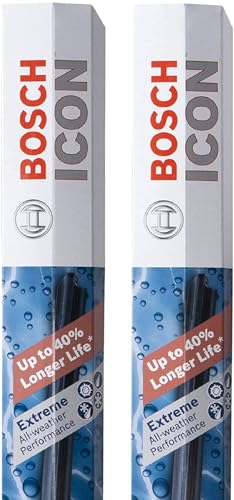
A dirty or worn blade is the most common cause of streaking and chattering. Rear wipers collect dirt, road grime, and rubber debris that hardens over time. Start by cleaning the blade with a soft cloth and a mixture of water and mild dish soap. Wipe both the rubber edge and the wiper arm. If cleaning doesn’t help, inspect the blade for cracks, tears, or missing pieces. Rear wiper blades are inexpensive and easy to replace. Simply lift the arm, press the release tab, and slide the old blade off. Install the new blade by sliding it into the hook until it clicks. Make sure the blade is the correct length for your vehicle (check your owner’s manual or measure the old one). A fresh blade costs under $10 and often solves the problem instantly.
Adjust the Wiper Alignment
If your rear wiper doesn’t cover the full sweep area or hits the window frame, the arm may be misaligned. This can happen after a car wash or if someone accidentally bumped the arm. To realign, turn the wiper on and let it cycle to its parked position. Then turn off the ignition. Lift the arm off the glass and gently reposition it so the blade sits parallel to the window edge. Tighten the nut at the base of the arm if it’s loose. For vehicles with a hidden nut under a plastic cap, pry the cap off with a flathead screwdriver. Torque the nut to the manufacturer’s specification (usually 10-15 ft-lbs). If the arm is bent or the splines are stripped, you’ll need a new arm. This fix is free and takes only a few minutes.
Lubricate the Pivot and Joints
A rear wiper that moves slowly or sticks may have a dry pivot point. Spray a silicone-based lubricant (not WD-40) on the arm’s hinge and the blade’s connection point. Avoid getting lubricant on the rubber blade or the glass, as it can cause smearing. Wipe away any excess. This reduces friction and allows the wiper to move freely. If the motor itself is struggling, you may hear a whining sound or see the arm move erratically. In that case, the motor or transmission may be failing, which requires professional repair. Lubrication is a quick, low-cost maintenance step that extends the life of your wiper system.
Frequently Asked Questions
Can I use a front wiper blade on the rear?
No, rear wiper blades are typically shorter and have a different attachment type. Using a front blade can damage the arm or scratch the glass. Always buy a blade specifically designed for your vehicle’s rear window.
Why does my rear wiper leave a streak after cleaning?
Streaking after cleaning usually indicates the blade rubber is hardened or has a small nick. Even a tiny imperfection can cause a streak. Try cleaning again with a microfiber cloth, but if the streak persists, replace the blade.
How often should I replace my rear wiper blade?
Most manufacturers recommend replacing rear wiper blades every six to twelve months, or sooner if you notice streaking, chattering, or skipping. Climate conditions like extreme heat or cold can accelerate wear.
The Bottom Line
Before you buy a new rear wiper, try these quick fixes: check arm tension, clean or replace the blade, adjust alignment, and lubricate moving parts. These steps resolve most issues and cost little to nothing. If problems persist, the arm or motor may need replacement. For more wiper maintenance tips, see our guide on wiper blades.