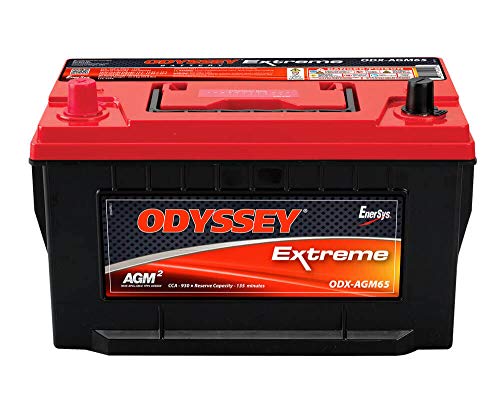
Finding your car battery dead every morning is frustrating and can leave you stranded. While a one-time dead battery might be due to a forgotten light, a recurring overnight drain points to a deeper issue. In this article, we’ll explore the common reasons your battery dies overnight and how to diagnose and fix the problem.
Common Causes of Overnight Battery Drain
Several factors can cause your battery to drain while the car sits. Here are the most likely culprits:
- Parasitic draw: Something electrical stays on when it shouldn’t, like a glovebox light or a faulty module.
- Old or weak battery: A battery near the end of its life can’t hold a charge as well.
- Charging system issues: If the alternator isn’t charging properly, the battery may not be fully charged after driving.
- Extreme temperatures: Cold weather reduces battery capacity and increases demand.
- Corroded connections: Poor connections can prevent proper charging and cause drains.
How to Test for Parasitic Draw
A parasitic draw test helps identify if something is draining the battery when the car is off. You’ll need a multimeter capable of reading amps. Here’s a simplified process:
- Ensure all accessories are off and doors are closed.
- Disconnect the negative battery cable.
- Connect the multimeter in series between the negative post and the cable.
- Wait for modules to go to sleep (can take up to an hour).
- Read the current draw. Typically, anything above 50 milliamps is considered excessive.
If you find a high draw, you can pull fuses one by one to isolate the circuit causing the drain.
Check the Battery’s Health
A battery that’s more than a few years old may simply be worn out. Many auto parts stores offer free battery testing. A load test can reveal if the battery can hold a charge under stress. If it fails, replacement is usually the best solution.
Inspect the Charging System
If the battery is good but keeps dying, the alternator might not be charging it sufficiently. You can perform a simple test with a multimeter: with the engine running, the voltage across the battery should be between 13.5 and 14.5 volts. If it’s lower, the alternator or voltage regulator may be faulty.
Other Potential Drains
Sometimes the cause is simpler: a trunk light that stays on due to a faulty switch, or an aftermarket accessory wired incorrectly. Also, ensure that the battery terminals are clean and tight. Corrosion can impede charging and cause the battery to drain.
When to Seek Professional Help
If you’ve checked the battery, alternator, and common drains but still have issues, a mechanic with specialized equipment can perform a more thorough diagnosis. Modern cars have complex electrical systems, and a professional can save time and prevent further damage.
Frequently Asked Questions
How can I tell if my battery is bad or if I have a parasitic draw?
A bad battery often shows signs like slow cranking or a load test failure. A parasitic draw is present if the battery drains overnight even when fully charged. Testing the battery's health and performing a parasitic draw test can distinguish between the two.
What is a normal parasitic draw?
A normal parasitic draw is typically under 50 milliamps (0.05 amps) after all modules have gone to sleep. Some vehicles may have slightly higher draws, but anything above 50-80 milliamps is usually considered excessive.
Can cold weather cause my battery to die overnight?
Yes, cold temperatures reduce battery capacity and increase the effort needed to start the engine. A weak battery that works in warm weather may fail overnight in cold conditions. Keeping the battery charged and in good condition helps mitigate this.