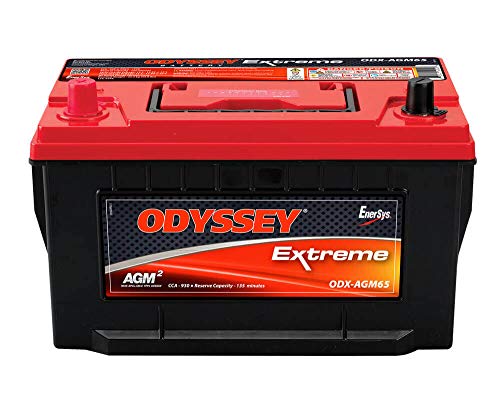
If you’ve ever shopped for a replacement car battery, you’ve seen a big number printed on the label next to the letters CCA. It’s one of the most important specs on the battery, yet most drivers have no idea what it actually tells them. CCA stands for cold cranking amps, and it’s a direct measure of how much punch your battery can deliver when you turn the key on a freezing morning. Here’s what the number means, how much of it you really need, and why folks in cold states should pay closer attention to it.
What CCA Actually Measures
Cold cranking amps describe how much electrical current a fully charged 12-volt battery can push out in cold conditions while still holding enough voltage to start your engine. The industry standard defines it as the amps a battery can supply at zero degrees Fahrenheit for a set number of seconds without its voltage dropping below the level an engine needs to crank. In plain terms, a higher CCA number means more starting muscle when it’s cold outside.
Starting an engine is the single hardest thing your battery does. It has to spin the starter motor, which draws a huge burst of current for a second or two. CCA tells you whether the battery can deliver that burst when the temperature works against it. A battery with a strong CCA rating cranks confidently. A weak one gives you that slow, groaning crank that every driver dreads.
Why Cold Weather Makes Starting So Hard
Cold does two things at once, and both of them fight your battery. Understanding this is the whole reason CCA exists as a rating.
- It slows the battery’s chemistry. A battery makes power through a chemical reaction, and cold temperatures slow that reaction down. The colder it gets, the less current the battery can release, so its available power drops right when you need it most.
- It thickens your engine oil. Cold oil gets stiff and sluggish, so the starter motor has to work harder to turn the engine over. That means the engine demands even more current from a battery that’s already weakened by the cold.
So on a frigid morning you’ve got a battery giving less and an engine asking more. That gap is exactly what a high CCA rating is designed to cover. This is why the same battery that fires up instantly in mild fall weather can struggle during a deep winter cold snap.
How Much CCA Does Your Car Need
The safest rule is simple: match or beat the cold cranking amps your carmaker recommends. Your owner’s manual lists a factory spec, and the original battery was chosen to meet it. Dropping below that number is where trouble starts.
A few general guidelines that owners tend to find helpful:
- Never go below the factory CCA rating. If your car calls for a certain number, treat that as your floor, not a target to undercut.
- Bigger engines usually want more. V8s, diesels, and large trucks take more effort to crank than a small four-cylinder, so they’re specced with higher CCA to begin with.
- Cold climates favor headroom. If you park outside through hard winters, choosing a battery that meets or slightly exceeds the recommended CCA gives you a cushion for the coldest mornings.
You don’t need to chase the absolute highest CCA number you can find. Going a bit above spec is smart insurance in cold country, but wildly overshooting doesn’t buy you much once the battery already exceeds what your starter demands. The engine only pulls the current it needs, and your alternator handles the recharging afterward. Fit and correct group size matter more than piling on numbers.
CCA Versus the Other Ratings on the Label
CCA isn’t the only rating you’ll spot on a battery, and it’s easy to mix them up. Here’s how the common ones differ:
- CCA (cold cranking amps): Starting power measured in freezing conditions. This is the one that matters most for cold climates.
- CA or MCA (cranking amps or marine cranking amps): Starting power measured at a milder temperature. Because warmer testing is easier on a battery, this number always looks higher than CCA, so don’t confuse the two.
- RC (reserve capacity): How long the battery can run your car’s electrical load if the alternator quits. It’s about staying power, not starting power.
When you’re comparing batteries, make sure you’re lining up CCA against CCA. Comparing one battery’s CCA to another’s cranking amps is apples to oranges, and it can trick you into buying weaker cold-weather performance than you thought.
Choosing a Battery for a Cold Climate
If winters get genuinely harsh where you live, put CCA near the top of your checklist. Researched buying advice and owner feedback both point in the same direction: cold regions reward a little extra starting power. A few practical tips:
- Confirm the correct group size for your vehicle first, then compare CCA within that size.
- Meet the factory CCA at minimum, and lean toward a bit above it if you park outdoors in winter.
- Keep the battery charged and the terminals clean, since a weak or corroded connection saps cranking power no matter how strong the rating.
- Remember that batteries lose cranking strength as they age, so a battery near the end of its life may struggle in cold even if its rating once looked fine.
Get the CCA right for your engine and your climate, and cold mornings stop being a gamble.
Frequently Asked Questions
Is a higher CCA always better?
Higher CCA gives you more cold-start headroom, which is a genuine benefit in cold climates. But once a battery comfortably exceeds what your starter needs, adding more CCA doesn’t improve day-to-day performance. The bigger priorities are meeting or beating your factory spec and getting the right group size so the battery fits and connects properly.
Can I use a battery with more CCA than my car calls for?
Yes. Installing a battery with a higher CCA rating than the factory number is generally fine and can help in cold weather. Your engine only draws the current it needs to crank, so the extra capacity simply sits in reserve. Just make sure the battery is the correct size and type for your vehicle.
Does CCA drop as a battery gets older?
It does. A battery gradually loses cranking strength over its life, so its real-world CCA falls below the number printed on the label as it ages. That’s why an older battery can still handle mild weather yet struggle to start the car on the first hard cold morning. Having it tested before winter is a smart move.