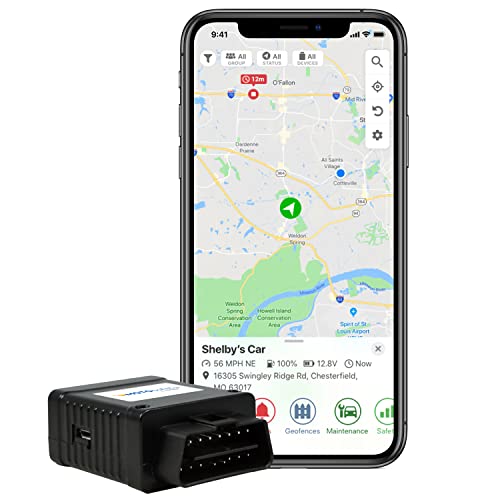
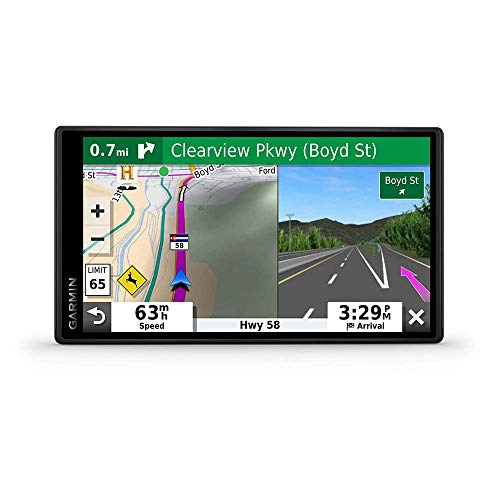
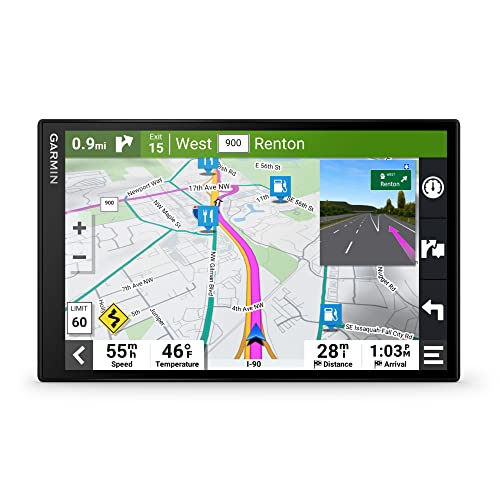
GPS signal loss happens primarily because the satellite signals are blocked or weakened before reaching your device. Common causes include physical obstructions like buildings or trees, atmospheric interference, and device-specific issues such as outdated software or poor antenna quality. Understanding these factors can help you minimize disruptions.
1. Physical Obstructions Blocking the Signal
GPS signals travel in straight lines from satellites to your receiver. Any solid object in the path can block or degrade the signal. Dense urban areas with tall buildings (the ‘urban canyon’ effect) are notorious for signal loss. Similarly, driving through tunnels, under bridges, or in heavy tree cover can cause intermittent drops. Even your car’s metal roof or tinted windows with metallic coatings can attenuate the signal. The fix is often as simple as moving to a clearer area or mounting the GPS unit near the windshield.
2. Atmospheric and Environmental Interference
The Earth’s atmosphere can bend and delay GPS signals, especially the ionosphere and troposphere. Solar flares and geomagnetic storms can disrupt signal propagation, though this is rare. More commonly, heavy cloud cover or precipitation (rain, snow) can slightly weaken signals. Multipath interference occurs when signals bounce off surfaces like buildings or water before reaching your receiver, causing timing errors. While you can’t control the weather, using a high-quality GPS receiver with advanced filtering can mitigate these effects.
3. Device and Software Issues
Your GPS device itself can be the culprit. Outdated satellite almanac data (the GPS receiver’s memory of where satellites should be) can cause slow lock or loss. A weak internal antenna, low battery, or poor device placement (e.g., in a glovebox) also contribute. Software bugs or corrupted firmware may lead to random dropouts. Regularly updating your device’s maps and firmware, and performing a factory reset if problems persist, often resolves these issues. For dedicated GPS units, consider checking the antenna connection or using an external antenna.
4. Satellite Visibility and Geometry
GPS requires a clear view of at least four satellites for a 3D fix. If satellites are low on the horizon (poor geometry), signals must travel through more atmosphere, increasing error. In canyons or valleys, the visible sky is limited, reducing satellite count. Time of day also matters: satellite positions change, and sometimes fewer are overhead. Most modern devices use multiple satellite systems (GPS, GLONASS, Galileo) to improve coverage. If your device supports it, enabling these additional constellations can significantly reduce signal loss.
Frequently Asked Questions
Can weather cause GPS signal loss?
Yes, heavy rain, snow, or thick cloud cover can attenuate GPS signals slightly, but it rarely causes complete loss. More significant are solar storms, which can disrupt the ionosphere and degrade accuracy.
How can I improve GPS signal in my car?
Place the GPS device near the windshield with a clear view of the sky. Avoid metallic window tints. If using a phone, ensure it’s not in a metal mount or case. Updating maps and using an external antenna can also help.
Does GPS work without internet?
Yes, GPS itself does not require internet. However, many apps download map data online. Offline maps can be stored for navigation without signal. The GPS receiver works independently of cellular networks.
The Bottom Line
GPS signal loss is usually temporary and caused by environmental or device factors. By understanding these causes, you can take simple steps like repositioning your device, updating software, or choosing a unit with multi-constellation support. For more tips on reliable navigation tools, check out our guide to the best GPS navigation devices.