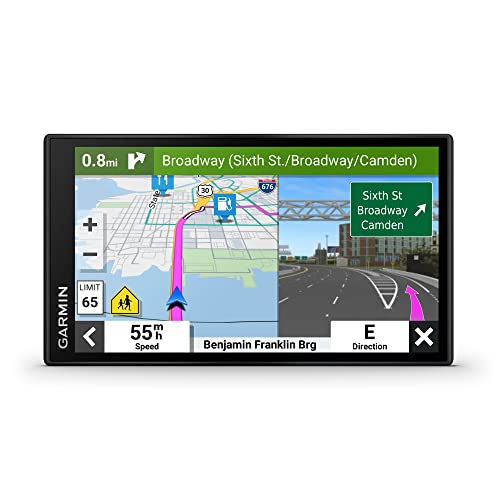
With the rise of smartphone technology, the need for standalone GPS devices has become a topic of debate. Many drivers wonder if a GPS device is still necessary with the advent of in-car navigation systems and mapping apps on their phones. In this guide, we’ll explore the pros and cons of using a GPS device versus relying on your phone for navigation.
Whether you’re a frequent road tripper, a daily commuter, or just someone who likes to stay connected on the go, understanding the benefits and drawbacks of GPS devices and smartphone navigation can help you make an informed decision about which option is best for you.
LandAirSea 54 GPS Tracker
What are the Benefits of GPS Devices?
GPS devices offer several benefits over smartphone navigation, including:
- Improved accuracy: GPS devices are specifically designed to provide accurate location information, whereas smartphone navigation can be affected by signal strength and phone battery life.
- Longer battery life: GPS devices are designed to conserve battery life, allowing you to navigate for extended periods without needing to recharge.
- Enhanced visibility: GPS devices often feature larger screens and easier-to-read displays, making it easier to navigate while driving.
- Simplified interface: GPS devices typically have a more intuitive interface than smartphone navigation apps, reducing the risk of distractions while driving.
- Wireless connectivity: Many GPS devices offer wireless connectivity options, such as Bluetooth and Wi-Fi, allowing you to connect your phone and access additional features.
What are the Drawbacks of GPS Devices?
While GPS devices offer several benefits, there are also some drawbacks to consider:
- Higher upfront cost: GPS devices can be more expensive than smartphone navigation apps, especially if you’re looking for advanced features like real-time traffic updates and voice command capabilities.
- Limited integration: GPS devices may not integrate as smoothly with your car’s infotainment system as smartphone navigation apps do.
- Obsolescence: GPS devices can become outdated quickly, especially if they’re no longer receiving software updates.
What are the Benefits of Smartphone Navigation?
Smartphone navigation offers several benefits over GPS devices, including:
- Convenience: Smartphone navigation apps are often free and can be easily accessed on your phone, eliminating the need for a separate GPS device.
- Personalization: Smartphone navigation apps can be personalized to your driving habits and preferences, offering features like favorite routes and suggested destinations.
- Integration: Smartphone navigation apps often integrate smoothly with your car’s infotainment system, allowing you to access additional features like music and podcast playback.
What are the Drawbacks of Smartphone Navigation?
While smartphone navigation offers several benefits, there are also some drawbacks to consider:
- Signal strength: Smartphone navigation can be affected by signal strength, which can lead to navigation errors and dropped connections.
- Battery life: Smartphone navigation can quickly drain your phone’s battery, especially if you’re relying on it for extended periods.
- Distracted driving: Smartphone navigation can be a distraction while driving, especially if you’re relying on your phone for navigation and other tasks.
Safety Considerations
For navigating while driving, safety should always be your top priority. According to the National Highway Traffic Safety Administration (NHTSA), distracted driving is a leading cause of traffic crashes and fatalities in the United States. To minimize the risk of distracted driving, consider the following tips:
- Use a mount: Keep your phone or GPS device securely mounted in a way that minimizes distractions.
- Avoid complex routes: Choose simple routes and avoid complex navigation instructions while driving.
- Use voice commands: Take advantage of voice command capabilities to minimize interactions with your phone or GPS device while driving.
Regulatory Considerations
The Americans with Disabilities Act (ADA) and the Federal Motor Carrier Safety Administration (FMCSA) have established guidelines for the use of GPS devices and smartphone navigation in vehicles. When picking a GPS device or smartphone navigation app, consider the following regulations:
- Hand-free operation: Ensure that your GPS device or smartphone navigation app can be operated hands-free.
- Visual display: Choose a GPS device or smartphone navigation app that provides a clear and easy-to-read display.
Frequently Asked Questions
Do I need a GPS device with a smartphone?
No, you don’t necessarily need a GPS device with a smartphone. However, a GPS device may offer improved accuracy and longer battery life, making it a good option for frequent road trippers or daily commuters.
Can I use a GPS device and my smartphone at the same time?
Yes, many GPS devices offer wireless connectivity options, such as Bluetooth and Wi-Fi, allowing you to connect your phone and access additional features.
Are GPS devices more accurate than smartphone navigation?
Yes, GPS devices are specifically designed to provide accurate location information, whereas smartphone navigation can be affected by signal strength and phone battery life.
Can I personalize my GPS device or smartphone navigation app?
<p,Yes, many GPS devices and smartphone navigation apps offer personalization options, such as favorite routes and suggested destinations.
Are there any safety considerations when using a GPS device or smartphone navigation?
Yes, safety should always be your top priority when navigating while driving. Consider using a mount, avoiding complex routes, and using voice commands to minimize distractions.
The Bottom Line
Overall, whether you need a GPS device or can rely on your smartphone for navigation depends on your individual needs and preferences. Consider the benefits and drawbacks of each option, as well as regulatory considerations, to make an informed decision about which option is best for you.