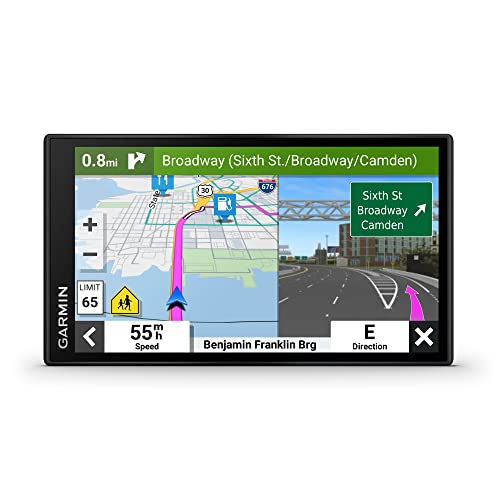
Yes, a dedicated GPS mount is significantly safer than using your phone for navigation while driving. The primary reason is that a GPS mount keeps your device at eye level and within easy reach, reducing the time your eyes are off the road. In contrast, holding a phone or placing it in a cup holder forces you to look down, which increases distraction and crash risk. While both can provide navigation, the mount minimizes physical and cognitive distractions.
1. Distraction Levels: Mount vs. Handheld
Studies show that taking your eyes off the road for just two seconds doubles your crash risk. A GPS mount allows you to glance at the screen without moving your head or hands far from the steering wheel. When you hold your phone, you must grip it, adjust your arm position, and often tilt your head down. This adds physical distraction. Additionally, a mounted device can be set to voice-guided directions, so you rarely need to look at the screen. With a phone in hand, you’re more likely to fumble with it, especially during turns or sudden stops.
2. Legal and Safety Regulations
Many states and countries have laws against handheld phone use while driving. Using a phone for navigation is often allowed only if it is mounted and not blocking your view. For example, in California, you can use your phone for GPS only if it is mounted on the windshield or dashboard. Fines for handheld use can range from $20 to $500, and in some places, it adds points to your license. A GPS mount helps you comply with these laws, avoiding tickets and potential liability in an accident. Even in areas where handheld is legal, insurance companies may view it as negligence if you cause a crash.
3. Practical Considerations: Stability, Battery, and Sunlight
A dedicated GPS mount provides a stable view that doesn’t wobble or slide off the dashboard. Phone holders designed for cars often have adjustable arms and secure grips, which prevent your phone from falling during sharp turns or over bumps. This stability reduces the urge to reach out and hold the phone. Additionally, a mount keeps your phone in a position where it can be plugged into a charger, preventing battery drain during long trips. Sunlight glare can be an issue, but many mounts allow you to tilt the screen to reduce reflections. Phone screens are harder to read in direct sunlight, but a mount lets you angle it away from glare.
Frequently Asked Questions
Can I use my phone’s GPS without a mount if I have voice commands?
Voice commands help, but they don’t eliminate the need to glance at the screen for route confirmation, traffic updates, or exit numbers. A mount still reduces the time you look away from the road. Even with hands-free operation, a phone in a cup holder requires you to look down, which is more dangerous than a glance at a mounted screen at eye level.
Are dashboard mounts safer than windshield mounts?
Both are safe if positioned correctly. Windshield mounts can block your view of the road, especially if placed too high or low. Dashboard mounts are generally preferred because they keep the device near the center console without obstructing visibility. However, ensure the mount does not interfere with airbag deployment. Always follow the manufacturer’s instructions.
Do GPS mounts work with all phone cases?
Most mounts have adjustable grips that accommodate cases up to a certain thickness. However, bulky cases or pop sockets may require a specific mount design. Look for mounts with wide jaws or magnetic attachments that work with a metal plate inside the case. Test your phone with the mount before purchasing to ensure a secure fit.
The Bottom Line
Using a GPS mount is unequivocally safer than holding your phone or leaving it loose in the car. It reduces physical and cognitive distraction, helps you obey traffic laws, and provides a stable, hands-free experience. For the best results, pair your mount with a reliable navigation app and voice guidance. For more on choosing the right mount, check out our guide on GPS navigation accessories and OBD2 scanners to enhance your driving safety.