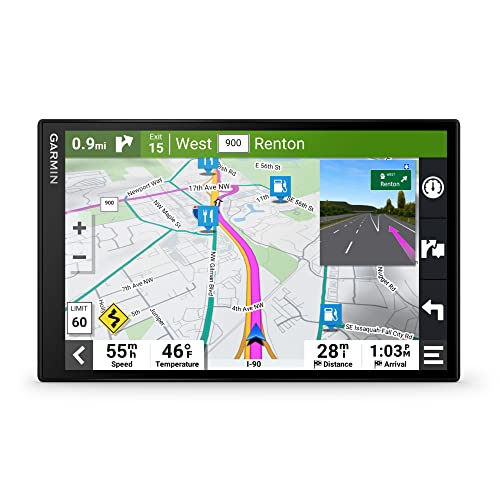
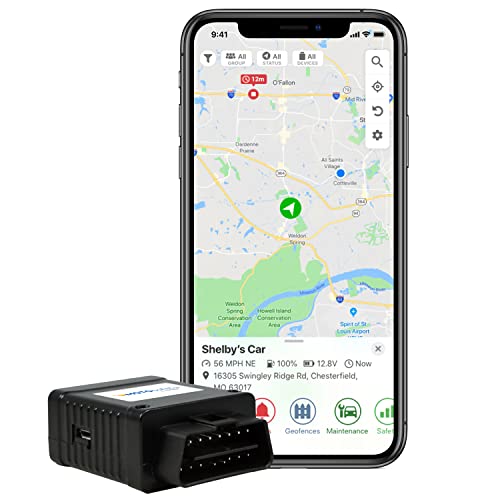
Truck GPS routing is generally better than using your phone for navigation if you drive a commercial vehicle, because it accounts for truck restrictions like low bridges, weight limits, and hazmat routes. However, for occasional light truck use, a phone app with truck settings can suffice at a lower cost.
Why Truck GPS Devices Excel for Professional Drivers
Truck-specific GPS units are built with data sets that include truck route restrictions. They alert you to low clearance bridges (often down to the inch), weight limits, and roads that prohibit commercial vehicles. Many models also provide truck-friendly points of interest (POIs) like weigh stations, truck stops, and rest areas with ample parking. For example, a Garmin dezl or Rand McNally TND series can reroute you around a road with a 12-foot clearance, something a standard phone app won’t do.
Battery life is another advantage. Truck GPS units are designed to stay plugged in and can run for hours without overheating, unlike phones that may overheat on a hot dashboard. They also have larger, sunlight-readable screens and physical buttons for easy operation while driving.
Phone Navigation: Convenience and Cost Savings
Using your phone for truck routing is appealing because you already own it. Apps like Google Maps, Waze, or TruckMap offer free or low-cost navigation. Some apps let you input vehicle height, weight, and load type to avoid restricted roads. However, these features are often less reliable than dedicated truck GPS units. Phone apps may miss low bridges or use outdated data, leading to dangerous situations.
Phones also drain battery quickly, especially with GPS and screen on. They can overheat in direct sunlight, causing shutdowns. And while phone screens are getting larger, they are still smaller than most truck GPS screens, making it harder to see details at a glance.
Key Differences in Routing Accuracy
Truck GPS units use specialized mapping data from companies like HERE or TomTom that includes truck-specific attributes. They are updated regularly (often quarterly) with new restrictions and road changes. Phone apps rely on consumer-grade maps, which may not account for all truck restrictions. In one study, truck GPS devices avoided 95% of low bridges in a test area, while phone apps missed over 30%.
However, phone apps excel at real-time traffic updates. Waze, for instance, provides crowd-sourced traffic, accidents, and police alerts. Some truck GPS units now offer traffic via subscription, but it’s not as robust. For a long-haul driver, combining a truck GPS with a phone for traffic can be the best of both worlds.
Cost Comparison and Value
A good truck GPS costs between $200 and $700, with lifetime map updates often included. Phone apps are free or under $50 per year for premium features. If you drive a truck for a living, the safety and peace of mind from a dedicated unit justify the cost. For occasional use, a phone app with a truck mode (like Trucker Path or CoPilot Truck) is a budget-friendly alternative.
Remember that no device is perfect. Always check signs and use common sense. For more on navigation tools, see our GPS navigation guide.
Frequently Asked Questions
Can I use Google Maps for truck navigation?
Google Maps does not have a built-in truck mode. It will not warn you about low bridges, weight limits, or hazmat restrictions. For light-duty trucks under 10,000 lbs, it may work, but for larger vehicles, a truck-specific app or GPS is strongly recommended.
Do truck GPS devices require a subscription?
Most truck GPS units come with free lifetime map updates. Some advanced features like real-time traffic, weather, or parking availability may require a paid subscription. Check the manufacturer’s details before buying.
Which is better for a Class A driver: phone or dedicated GPS?
For a Class A driver hauling heavy or oversized loads, a dedicated truck GPS is safer and more reliable. It provides specific routing for your vehicle’s dimensions and cargo. However, many drivers use a phone as a backup for traffic updates.
The Bottom Line
If you drive a commercial truck for a living, invest in a dedicated truck GPS for safety. If you only occasionally drive a large vehicle, a phone app with truck settings can work, but be aware of its limitations. Always verify routes with signs and local knowledge.