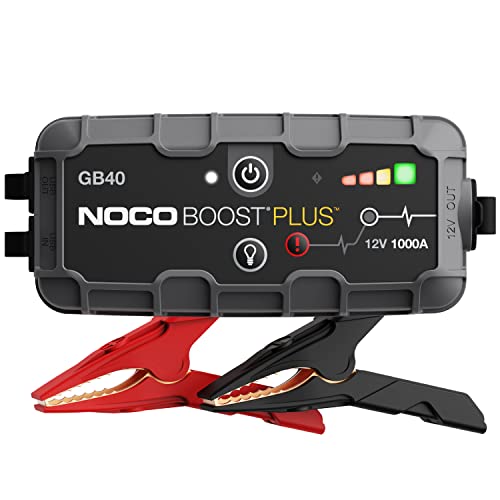
Lithium jump starters are powerful tools, but using them incorrectly can damage your car’s sensitive electronics or even cause a fire. The most common mistakes include reverse polarity connections, using the wrong voltage settings, and jump starting a deeply discharged battery without protection. Follow this guide to avoid these pitfalls and keep your vehicle safe.
1. Reverse Polarity: The Number One Killer
Connecting the clamps backward (positive to negative) is the fastest way to fry your car’s computer modules. Most modern lithium jump starters have reverse polarity protection, but not all. Even with protection, a brief incorrect connection can send a surge through the electrical system. Always double-check that the red clamp goes to the positive terminal and the black clamp to a grounded metal surface, not the negative terminal. If your jump starter lacks polarity alerts, mark your clamps with tape for clarity.
2. Using the Wrong Voltage or Mode
Many lithium jump starters now offer multiple voltage outputs (e.g., 12V, 24V) or modes for different battery types (AGM, lithium-ion, standard). Selecting the wrong voltage can overload your car’s electronics, especially on modern vehicles with sensitive ECUs. Always verify your car’s electrical system voltage (typically 12V for passenger cars) and choose the correct battery type. Some units also have a “boost” mode for deeply discharged batteries; using this on a healthy battery can cause overcharging. Read your jump starter’s manual and match the settings to your battery’s specifications.
3. Jump Starting a Completely Dead Battery Without Protection
Lithium jump starters are designed to handle dead batteries, but if your battery is below 2 volts (often called “sulfated”), the jump starter may detect a short and refuse to work, or it might try to force current and overheat. Some premium units have a dead battery override, but using it repeatedly can damage the jump starter’s internal cells. A better approach: if your battery has been dead for weeks, charge it with a smart charger first, then use the jump starter. Alternatively, use a jump starter with a built-in battery conditioner that safely brings the voltage up.
4. Ignoring Temperature Extremes
Lithium-ion batteries are sensitive to heat and cold. Leaving a jump starter in a hot car (above 140°F) can cause permanent capacity loss or even thermal runaway. In freezing temperatures, the jump starter’s output drops dramatically, and attempting a jump start can stress the cells. Store your unit in a climate-controlled area, and if you must jump start in extreme cold, warm the jump starter to room temperature first. Never charge a lithium jump starter when it’s below 32°F or above 113°F.
5. Using a Damaged or Cheap Jump Starter
Not all lithium jump starters are built equal. Cheap units may lack safety features like overcurrent protection, temperature control, or spark-proof clamps. A damaged unit with swollen cells or frayed cables can short-circuit and damage your car. Always inspect your jump starter before use: if the casing is bulging, the clamps are corroded, or the cables are cracked, replace it immediately. Invest in a reputable brand with certifications like UL or CE. For reliable options, check out our best jump starters guide.
Frequently Asked Questions
Can a lithium jump starter damage my car’s alternator?
No, a lithium jump starter cannot damage your alternator directly. The jump starter simply provides a boost to start the engine; once the engine runs, the alternator takes over charging. However, if you repeatedly rely on jump starts instead of fixing a failing battery, the extra load can stress the alternator over time.
Is it safe to leave a lithium jump starter connected while the car runs?
It is not recommended. Once the car starts, disconnect the jump starter within 30 seconds to avoid overcharging the jump starter’s battery or causing voltage spikes. Most modern units have auto-shutoff, but it’s best practice to remove the clamps promptly.
Can I use a lithium jump starter on a hybrid or electric car?
Yes, but only on the 12V auxiliary battery, not the high-voltage traction battery. Hybrids and EVs still have a standard 12V battery for electronics, and a lithium jump starter can safely boost that. Never attempt to jump start the high-voltage system; that requires specialized equipment and training.
The Bottom Line
Lithium jump starters are safe and effective when used correctly. Avoid the mistakes outlined above: always verify polarity, choose the right voltage mode, protect deeply discharged batteries, respect temperature limits, and use a quality unit. By following these guidelines, you can jump start your car without risking damage to its electrical system or your jump starter. For more tips on jump starter safety and maintenance, browse our jump starters category for additional articles.