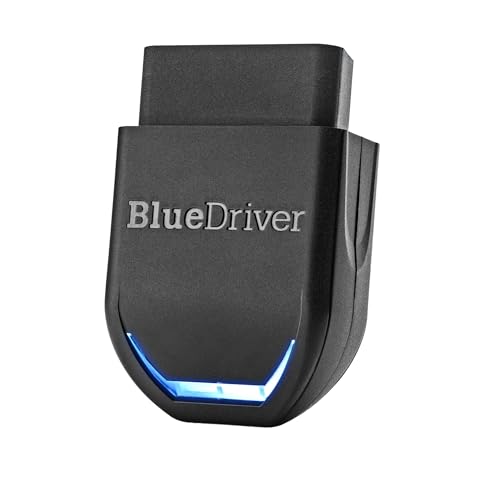
Fixing permanent OBD2 codes typically costs between $100 and $500, but the price can exceed $1,000 if major components like catalytic converters or transmission parts need replacement. Permanent codes are designed to stay stored even after repairs, so you must address the underlying issue before they clear on their own. This article breaks down the costs, causes, and steps to resolve permanent codes without overpaying.
What Are Permanent Codes and Why Do They Stay?
Permanent codes were introduced in 2010 for vehicles with CAN bus systems. Unlike pending or confirmed codes, permanent codes cannot be erased with a standard OBD2 scanner. They only clear after the vehicle completes a series of drive cycles with no faults detected. This means you cannot simply reset the code and pass an emissions test. The cost to fix a permanent code depends entirely on what triggered it. Common causes include a loose gas cap (cheap fix) or a failing catalytic converter (expensive fix).
Cost Breakdown by Common Permanent Code Causes
1. Evaporative Emission System (EVAP) Leaks: $50-$300
An EVAP leak, often from a loose fuel cap or cracked hose, can trigger a permanent P0455 or similar code. Fixing it may cost as little as $15 for a new gas cap or up to $300 for a smoke test and hose replacement. Many DIYers can tighten the cap or replace a hose themselves, saving labor costs. A professional smoke test typically runs $100-$200.
2. Oxygen Sensor or Catalyst Issues: $200-$1,500
Permanent codes like P0420 (catalyst efficiency) or P0135 (oxygen sensor heater) often require sensor replacement ($50-$200 for the part, plus $100-$200 labor) or a new catalytic converter ($500-$1,500 including labor). Using a high-quality OBD2 scanner can help you confirm whether the sensor or catalyst is actually faulty before buying parts.
3. Misfire Codes (P0300-P0306): $100-$600
Permanent misfire codes may be caused by bad spark plugs, ignition coils, or fuel injectors. A single coil pack costs $50-$150; plugs are $10-$30 each. Labor for diagnosis and replacement ranges from $100-$300. If the misfire is due to a mechanical issue like low compression, costs can exceed $1,000.
How to Diagnose and Clear Permanent Codes Without Wasting Money
Before spending money on repairs, use an advanced OBD2 scanner (one that supports Mode $06) to read live data and freeze frame data. This helps pinpoint the exact fault. Do not replace parts blindly. Once you fix the root cause, you must complete a drive cycle specific to your vehicle. This usually includes cold start, idle, acceleration, and deceleration phases. Some cars require up to 10 cycles over several days. A cheap scanner cannot clear permanent codes, but a professional-level tool may offer forced regeneration or readiness monitor reset functions. However, even then, the code will return if the issue persists.
Frequently Asked Questions
Can a mechanic clear permanent codes?
No mechanic can erase a permanent code with any scanner. The code is stored in the ECU’s non-volatile memory and only clears after the vehicle’s onboard diagnostics confirm the fault is gone over multiple drive cycles. Some advanced scan tools can reset the code’s “aging” counter, but the code itself remains until the system verifies repairs.
How long does it take for a permanent code to clear?
It typically takes 3 to 10 successful drive cycles, depending on the manufacturer and the specific monitor. Each cycle may require a cold start, warm-up, and varied driving conditions. If the code is for a catalyst monitor, you might need to drive at highway speeds for 20 minutes. The process can take a few days to a week of normal driving.
Will disconnecting the battery clear permanent codes?
No. Disconnecting the battery will erase volatile memory (like radio presets) but not permanent codes. These codes are stored in non-volatile memory and survive power loss. The only way to remove them is to fix the underlying problem and complete the required drive cycles.
The Bottom Line
Fixing permanent codes costs what it costs to repair the actual problem, plus the time to complete drive cycles. Do not pay for unnecessary parts or labor. Invest in a reliable OBD2 scanner to diagnose accurately, and consider professional help only if you cannot identify the issue. For more on choosing the right tool, see our guide to the best OBD2 scanners. With proper diagnosis, you can avoid overpaying and get your vehicle back on the road legally.