Permanent codes are a type of diagnostic trouble code (DTC) that stays in your vehicle’s engine control module (ECM) even after the issue is fixed and the check engine light goes off. Unlike pending or confirmed codes, permanent codes cannot be cleared with a standard OBD2 scanner. They are designed to ensure that repairs are verified over multiple drive cycles before the ECM fully removes them. To fix a permanent code, you must complete the manufacturer’s drive cycle procedure, which typically involves a series of specific driving conditions that allow the ECM to confirm the repair.
What Are Permanent Codes and How Do They Differ from Other Codes?
Permanent codes were introduced with the 2010 model year vehicles as part of the OBD2 regulations (California Air Resources Board requirement). They are stored in a separate memory bank that cannot be erased by disconnecting the battery or using a scanner. While pending codes appear after a single fault, and confirmed codes set after two consecutive failures, permanent codes only appear after the ECM has confirmed a fault and remain until the vehicle completes a full monitor cycle without the fault. This means even after you fix the problem, the permanent code may persist for several drive cycles. For example, a permanent code for a misfire might stay for 40-80 warm-up cycles if the repair is successful.
How to Read and Diagnose Permanent Codes
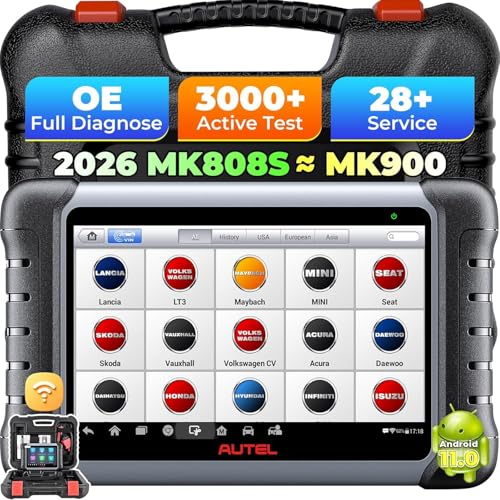
To read permanent codes, you need an OBD2 scanner that supports mode $0A (Permanent DTCs). Many basic code readers only show pending and confirmed codes. A quality scanner, like those listed in our best OBD2 scanners guide, will display permanent codes separately. Once you retrieve the code, note the specific DTC number (e.g., P0300 for random misfire). Then research the likely causes: for P0300, check spark plugs, ignition coils, fuel injectors, and vacuum leaks. Use a multimeter or oscilloscope if needed. Keep in mind that permanent codes often indicate an intermittent problem that might not be present during diagnosis. A common mistake is assuming the code is gone after clearing other codes, but permanent codes require a different approach.
How to Fix and Clear Permanent Codes
You cannot force-clear a permanent code with any tool, including professional scan tools. The only way to remove it is to repair the underlying issue and then complete the manufacturer’s drive cycle. A drive cycle is a set of driving conditions that allow the ECM to run all self-monitors. For example, a typical drive cycle might include: cold start, idle for 2 minutes, accelerate to 55 mph, cruise for 5 minutes, decelerate without braking, then stop and idle again. You can find the exact procedure for your vehicle in the service manual or online. After completing the drive cycle, if the ECM detects no faults, the permanent code will automatically clear. This process can take 1-3 drive cycles for some monitors, but for others like catalyst or EVAP, it may take longer. If the code returns after the drive cycle, the repair was incomplete, and you need to re-diagnose. In some cases, a permanent code may indicate a problem with the ECM itself, which requires professional reprogramming.
When to Seek Professional Help for Permanent Codes
If you’ve repaired the obvious issue and completed multiple drive cycles but the permanent code persists, it’s time to consult a mechanic. Some permanent codes require specialized equipment, such as a bi-directional scan tool to run specific tests. For instance, permanent codes related to the transmission or ABS may need dealer-level diagnostics. Also, if the code is accompanied by drivability issues like stalling or poor performance, do not delay. A professional can perform a comprehensive scan and use advanced features like freeze frame data to pinpoint the fault. Remember, permanent codes are not a reason to fail an emissions test in most states, but they can indicate a problem that will eventually trigger a check engine light again. Using a high-quality OBD2 scanner from our OBD2 scanner category can help you monitor the code’s status and confirm when it clears.
Frequently Asked Questions
Can I drive with a permanent code?
Yes, you can drive with a permanent code as long as the check engine light is off and the vehicle runs normally. However, the code indicates a past fault that may recur. If the check engine light is on, address the issue promptly to avoid damage or emissions test failure.
Will disconnecting the battery clear permanent codes?
No, disconnecting the battery will not clear permanent codes. They are stored in non-volatile memory and require the ECM to confirm the repair through drive cycles. Only the manufacturer’s specific procedure can remove them.
How long do permanent codes take to clear?
It varies by vehicle and code. For most OBD2 monitors, permanent codes clear after 40-80 warm-up cycles or 3-10 successful drive cycles. Some monitors, like EVAP, may take longer. Consult your vehicle’s service manual for exact requirements.
The Bottom Line
Permanent codes are a safeguard to ensure emissions-related repairs are verified over time. They cannot be erased with a scanner or battery disconnect, but they will clear automatically after the ECM confirms the fix through a proper drive cycle. To fix them, diagnose the root cause, repair it, and follow your vehicle’s drive cycle procedure. If the code persists, seek professional help. Invest in a reliable OBD2 scanner to monitor the process and avoid unnecessary trips to the mechanic.