Yes, you can drive with freeze frame data stored in your car’s computer. Freeze frame data is simply a record of engine parameters (RPM, coolant temperature, fuel trim, etc.) at the moment a diagnostic trouble code (DTC) was triggered. It does not affect how the car runs; it’s just a diagnostic snapshot. However, if the check engine light is flashing or you notice severe drivability issues, you should not drive the vehicle until it’s inspected.
What Is Freeze Frame Data and Why Is It Stored?
Freeze frame data is a feature of OBD2 systems required since 1996. When the powertrain control module (PCM) detects a fault that sets a DTC, it captures a snapshot of key sensor readings at that instant. This data includes engine load, fuel system status, vehicle speed, coolant temperature, and more. The purpose is to help technicians diagnose the root cause of the problem by seeing what was happening when the fault occurred. This data remains stored even after the ignition is turned off and can be retrieved with an OBD2 scanner. It does not change the behavior of the engine or transmission; it’s purely informational.
Is It Safe to Drive With Stored Freeze Frame Data?
In most cases, yes. The freeze frame data itself poses no risk. The underlying issue that triggered the DTC may or may not be serious. For example, a loose gas cap can set a small evaporative emissions leak code and store freeze frame data, but the car drives normally. On the other hand, a misfire code (P0300) accompanied by a flashing check engine light indicates a serious problem that could damage the catalytic converter or cause a fire. As a rule of thumb: if the check engine light is steady and the car runs fine, you can drive to a repair shop. If the light is flashing, stop driving immediately and have the vehicle towed.
How to Retrieve and Use Freeze Frame Data
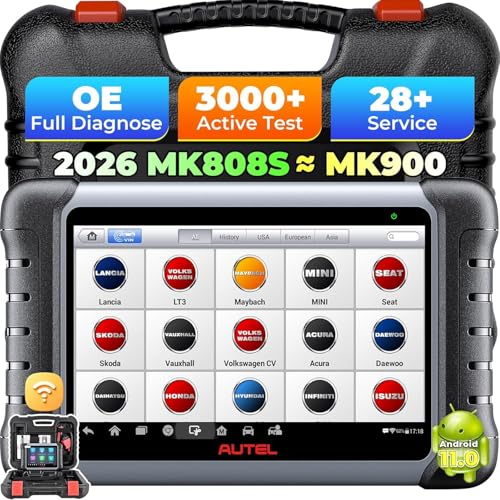
To access freeze frame data, you need an OBD2 scanner that supports this function. Basic code readers may only show the DTC, while more advanced OBD2 scanners can display the freeze frame data in real-time or as a recorded snapshot. Once connected, navigate to the freeze frame menu on the scanner. You’ll see values like engine RPM (e.g., 2500), coolant temp (e.g., 195°F), short-term fuel trim (e.g., -5%), and calculated load (e.g., 40%). Compare these values to normal ranges for your vehicle. For instance, if freeze frame shows the engine at 220°F when the code set, that’s overheating. If fuel trim is +25%, the engine is running lean. This data helps pinpoint whether the issue is sensor-related, fuel system, or mechanical. Note that freeze frame data is overwritten each time a new DTC is stored, so it’s a one-time snapshot per code.
Limitations and Caveats of Freeze Frame Data
Freeze frame data is not a complete diagnostic tool. It only captures a moment in time, not the events leading up to the fault. Also, some parameters may not be accurate if the sensor was already failing. Additionally, not all DTCs store freeze frame data; manufacturer-specific codes may not. For intermittent issues, the freeze frame may show normal values because the fault occurred under different conditions. In those cases, you may need to use a scan tool with live data graphing to catch the problem. Another caveat: freeze frame data is stored in the PCM’s memory and can be erased when you clear the DTC. So if you clear codes before showing a mechanic, you lose that diagnostic info. Always record or save the freeze frame data if you plan to clear the code.
Frequently Asked Questions
Can freeze frame data cause my car to fail an emissions test?
No, freeze frame data itself does not affect emissions testing. However, if the check engine light is on due to a stored DTC, the vehicle will fail an OBD2 emissions test. The freeze frame data is just a record; the underlying fault is what matters.
How long does freeze frame data stay stored in the computer?
Freeze frame data remains stored until it is overwritten by a new DTC or until the codes are cleared with a scanner. Some vehicles may also clear freeze frame data after a certain number of warm-up cycles without a recurrence of the fault, but this varies by manufacturer.
Do I need a special scanner to see freeze frame data?
Most basic code readers only show DTCs, not freeze frame data. You need a scan tool that explicitly lists freeze frame or snapshot capability. Many affordable OBD2 scanners offer this feature; check the specifications before buying. For a list of reliable options, see our guide on OBD2 scanners.
The Bottom Line
Freeze frame data is a helpful diagnostic snapshot that does not impact drivability. You can safely drive with it stored, provided the check engine light is not flashing and the car runs normally. Use an OBD2 scanner to view the data and share it with your mechanic to speed up repairs. Remember to note the values before clearing codes, and always address the underlying DTC to keep your vehicle running properly.