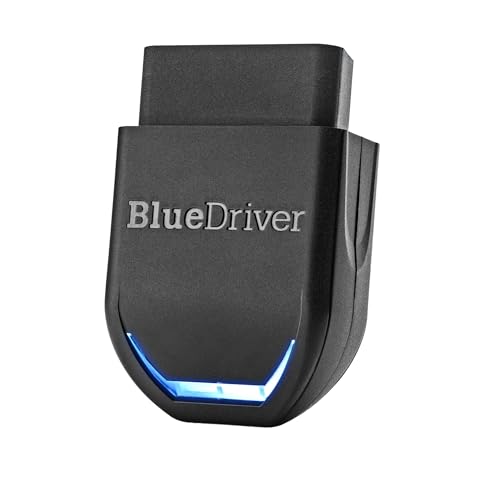
If your ABS light is on, you don’t always need an expensive repair. Many ABS codes are triggered by simple issues like dirty sensors, blown fuses, or corroded wiring. Before you pay a mechanic, try these cheap fixes first using an OBD2 scanner to read the code and guide your troubleshooting.
1. Clean the Wheel Speed Sensors and Tone Rings
Dirty wheel speed sensors are the most common cause of ABS codes. Road grime, brake dust, and metal shavings can block the sensor’s view of the tone ring. Remove the wheel and locate the sensor (usually bolted near the hub). Clean the sensor tip and the tone ring with brake cleaner and a rag. Reinstall and clear the code with your scanner. This costs under $10 and works for many intermittent ABS issues.
2. Check and Replace Blown ABS Fuses
A blown fuse can disable the entire ABS system and trigger a code. Locate your vehicle’s fuse box (under dash or hood) and find the ABS fuse(s). Use a multimeter or test light to check continuity. Replace any blown fuse with the correct amperage. This fix costs less than $5 and takes five minutes. Common fuse locations are listed in your owner’s manual.
3. Inspect Wiring and Connectors for Damage
Corroded or broken wires near the wheel speed sensors are another cheap fix. Look for chafed insulation, loose connectors, or rust. Unplug the sensor connector and check for bent pins or corrosion. Spray with electrical contact cleaner and apply dielectric grease. If you find a broken wire, solder and heat-shrink it. This fix costs under $20 for supplies and often resolves codes like C0035 (left front sensor circuit).
4. Verify Proper Tire Pressure and Size
Uneven tire pressure or mismatched tire sizes can confuse the ABS system. The ABS compares wheel speeds; a low tire spins faster and can trigger a code. Check all tires with a gauge and inflate to spec. Also ensure all tires are the same size and type. This fix is free and can clear codes like C0040 (right rear wheel speed sensor).
Frequently Asked Questions
Can I drive with the ABS light on?
Yes, but your anti-lock brakes won’t work. You still have normal braking, but avoid hard stops on slippery roads. Fix the issue soon to restore full safety.
Will disconnecting the battery reset ABS codes?
Sometimes temporarily, but the code will return if the problem isn’t fixed. Use an OBD2 scanner to clear codes after repairs. A good scanner also lets you read live data to confirm sensor operation.
How much does a wheel speed sensor replacement cost?
If cleaning doesn’t work, a new sensor costs $20 to $80 for the part. DIY replacement takes about an hour. Compare that to $200+ at a shop, so always try cleaning first.
The Bottom Line
Start with these cheap fixes before replacing expensive ABS modules or pumps. Most ABS codes are caused by simple maintenance issues. Use a reliable OBD2 scanner to read the code and monitor sensor data. A little time and elbow grease can save you hundreds of dollars.