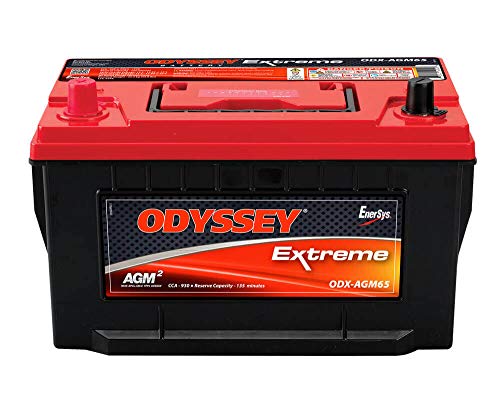
When a car will not start, people often replace the battery, only to break down again a week later because the real problem was the alternator. A couple of quick tests point you to the right part.
The jump start test
If you jump start the car and it runs fine but dies again once you disconnect, or soon after, the alternator is probably not charging. If it runs and keeps running normally, the battery was simply flat.
The voltage test
With a multimeter, a healthy battery reads about 12.6 volts with the engine off. Start the engine and it should climb to roughly 13.8 to 14.4 volts as the alternator charges. If it stays near 12 or drops, the alternator is the suspect.
The clues you can hear and see
A slow, clicking crank usually means a weak battery. Dimming lights while driving, a battery warning light, or a burning smell point to the charging system.
Frequently asked questions
Can a bad alternator ruin a new battery?
Yes. Undercharging or overcharging from a faulty alternator shortens a battery life quickly.
How long does a car battery last?
Typically three to five years. Test yours if it is older and cranking slowly.
Keep a charger and jump starter handy from our battery guides.