A winch is among the most demanding loads you can put on a vehicle. A hard pull can draw several hundred amps for minutes at a time, and a tired starting battery will sag, brown out your winch solenoid, and leave you stuck right when you need power most. The right battery has the cranking amps to spin the motor under load and the reserve capacity to keep going through long, repeated pulls without collapsing.
We focused on AGM and lithium batteries that handle deep, repeated discharge and bounce back fast on the charge. We weighed cold cranking amps, reserve capacity, vibration resistance, recovery under sustained draw, and how well each holds up to the heat and abuse of off-road and recovery use. These are the seven we would trust on a winch line.
| Photo | Product | Score | Buy |
|---|---|---|---|
 |
Odyssey 34-PC1500T Extreme Series AGM Battery Best Overall Group 34, 850 CCA, 1500 cranking amps for 5 seconds, AGM TPPL |
9.5 |
ⓘ We may earn a commission from qualifying purchases made through links on this page, at no extra cost to you.
|
 |
NOCO NLP30 Group 30H Lithium Battery Best Lithium Group 30H, 600 cranking amps, 700A continuous, LiFePO4, built-in BMS |
9.3 | 🛒 Check Price |
 |
Optima D34M BlueTop Dual Purpose AGM Battery Best Dual Purpose Group 34M, 750 CCA, 120 minute reserve, SpiralCell AGM |
9.2 | 🛒 Check Price |
 |
ACDelco 94RAGM Professional AGM Battery Best Reserve Capacity Group 94R, 800 CCA, 140 minute reserve, AGM |
9.0 | 🛒 Check Price |
 |
XS Power D3400 AGM Battery Best High-Output Group 34, 1000 CCA, 3300 max amps, sealed AGM |
8.8 | 🛒 Check Price |
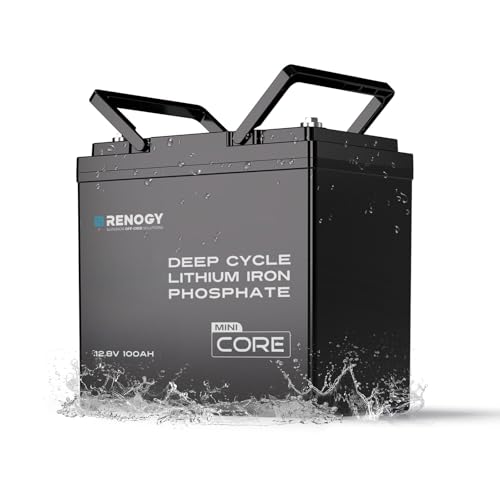 |
Renogy 12V 100Ah Deep Cycle LiFePO4 Battery Best Deep Cycle 100Ah LiFePO4, 100A continuous, 280A surge, built-in BMS |
8.5 | 🛒 Check Price |
 |
DieHard Platinum AGM Group 34 Battery Best Value AGM Group 34, 775 CCA, 100 minute reserve, AGM |
8.2 | 🛒 Check Price |
1. Odyssey 34-PC1500T Extreme Series AGM Battery: Best Overall
The Odyssey 34-PC1500T is the battery we reach for first when a vehicle sees regular winch duty. Its Thin Plate Pure Lead chemistry is built to dump enormous current in short bursts, which is exactly what a winch motor demands when the line comes tight. In testing it held voltage noticeably better than conventional flooded batteries during sustained pulls, so the solenoid clicked cleanly and the motor never stuttered from voltage sag.
It also doubles as a true deep cycle, so repeated recovery pulls don’t chew up its life the way they would a pure starting battery. The honest weakness is weight and charging. This is a dense battery, and Odyssey really wants a charger that can push more current than a basic trickle unit, so a stock alternator alone will recharge it slowly after a long winching session. Pair it with a decent charger and it’s hard to beat.
- Thin Plate Pure Lead design delivers huge short-burst cranking current for winch loads
- Deep cycle and engine starting in one battery, rated up to 400 cycles at 80 percent depth of discharge
- Sealed AGM construction mounts in any orientation and resists off-road vibration
Pros: Massive momentary cranking output holds voltage during hard pulls; Fast recharge acceptance gets you ready for the next recovery quickly; Long service life and strong vibration resistance
Cons: Heavy for its group size; Needs a charger that can deliver its higher recommended charge current
2. NOCO NLP30 Group 30H Lithium Battery: Best Lithium
If you want maximum winch performance with minimum weight, the NOCO NLP30 makes a strong case. Its lithium iron phosphate cells hold a flat, stubborn voltage under load, so the winch keeps its speed and torque deep into a pull instead of slowing as the battery tires. The 700 amp continuous rating means it’s comfortable feeding a winch motor for the long, grinding recoveries that would punish a smaller battery.
The integrated BMS is genuinely useful, guarding against over-discharge, heat and short circuits, which is reassuring on a battery that lives under a hood. The catch is that lithium is fussier than lead. You need a LiFePO4-aware charger, and in serious cold the chemistry needs some care before heavy draw. For most off-roaders, the weight savings and rock-steady output are well worth that small learning curve.
- Lithium iron phosphate delivers stable voltage that barely sags under heavy draw
- Built-in battery management system protects against overcurrent, heat and over-discharge
- Roughly a third the weight of a comparable lead acid battery
Pros: Flat discharge curve keeps winch speed consistent through the pull; Extremely light, which matters on a built rig; High continuous amp rating suits sustained winch loads
Cons: Lithium needs a compatible charger and cold-weather care; BMS can cut power if it senses an extreme overcurrent fault
3. Optima D34M BlueTop Dual Purpose AGM Battery: Best Dual Purpose
The Optima D34M BlueTop is the dual-purpose battery a lot of off-roaders settle on, and for good reason. Its spiral-wound SpiralCell construction gives you a healthy 750 cold cranking amps to fire the engine and a generous 120 minute reserve to keep a winch fed through long pulls. That balance is the whole point of a winch battery, and the BlueTop covers both jobs without forcing you into a separate deep-cycle setup.
It’s also seriously tough. The sealed AGM case shrugs off vibration and can mount in nearly any orientation, which suits a battery that will see washboard trails and steep angles. The trade-off is that its peak cranking burst isn’t quite as fierce as the pure-lead Odyssey, so for the very heaviest single pulls it sags a touch sooner. As an all-round, do-everything winch and house battery, though, it’s a dependable workhorse.
- SpiralCell design provides strong starting power and deep cycle reserve
- 120 minutes of reserve capacity supports repeated winch pulls
- Spillproof AGM rated for high resistance to vibration and mounting in any position
Pros: True dual purpose handles both engine start and accessory draw; Excellent vibration resistance for rough trails; Strong reserve for back-to-back recoveries
Cons: Cranking output trails the dedicated pure-lead options; Larger terminal posts may need adapters on some setups
4. ACDelco 94RAGM Professional AGM Battery: Best Reserve Capacity
When your winch work involves long, drawn-out recoveries rather than a single quick yank, reserve capacity becomes the spec that matters, and the ACDelco 94RAGM leads our group there with a full 140 minutes. That headroom means it can keep feeding the winch and your other accessories well past the point where a smaller battery would fold, which is exactly what you want during a slow, technical extraction.
It pairs that reserve with a solid 800 cold cranking amps and ACDelco’s calcium grid for durability under hood heat. The main thing to check is fitment. This is a Group 94R battery, a European-style case that fits many trucks and SUVs but not everything, so confirm your tray and terminal layout first. If it fits, it’s a very capable and reasonably available AGM options for a hard-working winch.
- High 140 minute reserve capacity for extended winch and accessory loads
- Calcium positive grid for improved life and performance under heat
- Sealed AGM build with high vibration resistance and low water loss
Pros: Big reserve capacity is ideal for long, repeated pulls; Strong 800 CCA for confident starting in cold weather; Maintenance free and leak resistant
Cons: Group 94R fitment doesn’t suit every engine bay; Heavier than compact group sizes
5. XS Power D3400 AGM Battery: Best High-Output
The XS Power D3400 comes from the high-output audio world, and that lineage translates beautifully to winching. Its very low internal resistance lets it shove huge instantaneous current into the winch motor, so even a stubborn, loaded pull doesn’t drag the system voltage down. If your rig runs a powerful winch and other thirsty electronics, this battery keeps everything stable when you hit the switch.
That raw capability is also its caveat. The D3400 is built for big-current builds, and for an occasional light recovery it’s arguably more battery than you need. It also rewards a proper charger, since its appetite for current means a slow trickle takes a while to top it off after heavy use. For anyone running a serious winch and a busy electrical system, though, the voltage stability under load is genuinely impressive.
- Ultra-low internal resistance delivers enormous instantaneous current
- Rated up to 3300 maximum amps for the most demanding electrical loads
- Fully sealed and spillproof for any mounting position
Pros: Brutal short-burst output for the hardest winch pulls; Excellent at holding voltage on high-draw systems; Sturdy AGM case built for abuse
Cons: Aimed at high-current builds, so it can be overkill for light use; Benefits from a high-amperage charger to refill quickly
6. Renogy 12V 100Ah Deep Cycle LiFePO4 Battery: Best Deep Cycle
The Renogy 100Ah LiFePO4 is the pick for builds running a dual-battery or auxiliary setup where the winch draws from a dedicated deep-cycle bank. With a full 100 amp-hours of usable lithium capacity, it can power a string of recoveries and still have plenty left for fridge, lights and camp gear, all while weighing a fraction of an equivalent lead-acid bank. Its long cycle life means heavy discharge doesn’t shorten its life the way it would a starting battery.
The honest limitation is surge current. With a 280 amp surge ceiling, it isn’t designed to be a hard cranking battery, so on the very heaviest momentary loads it has less instantaneous punch than the pure-lead AGMs here. Used the right way, as the house and winch bank in a dual-battery system rather than the engine starter, it’s a superb high-capacity foundation that keeps going long after a single battery would quit.
- 100Ah lithium capacity supports long, repeated heavy draws
- Smart BMS manages temperature, overcurrent and cell balance
- Thousands of cycles rated life at high depth of discharge
Pros: Huge usable capacity for repeated pulls and camp loads; Very long cycle life compared with lead acid; Light for its capacity
Cons: Surge rating is lower than dedicated cranking batteries; Best used as an auxiliary or dual-battery winch source
7. DieHard Platinum AGM Group 34 Battery: Best Value AGM
The DieHard Platinum AGM in Group 34 is the sensible, no-drama choice for someone who wants a capable winch battery without chasing the absolute extremes. With 775 cold cranking amps and a 100 minute reserve, it covers both starting and sustained winch draw competently, and its AGM construction brings the vibration resistance and spillproof safety that off-road use demands. Availability is a real plus, since you can usually walk in and get one quickly.
It doesn’t top any single category, and that’s the fair criticism. The Odyssey cranks harder, the ACDelco holds more reserve, and the lithium options weigh far less. But the DieHard Platinum hits a genuinely useful middle ground, delivering dependable AGM performance for a winch that sees regular but not punishing use. For a daily-driver truck that occasionally pulls a friend out of the mud, it’s more than enough battery.
- Stamped grid AGM design balances cranking power and reserve
- 20x more vibration resistance than conventional flooded batteries
- Spillproof, maintenance free and ready for off-road mounting
Pros: Solid all-round cranking and reserve for general winch use; Widely available and easy to source; Strong vibration resistance for trail abuse
Cons: Neither cranking nor reserve leads its class; Heavier than the lithium options
Frequently Asked Questions
What kind of battery is best for running a winch?
An AGM dual-purpose or deep-cycle battery is usually the best fit for a winch, with high-quality lithium iron phosphate as a premium alternative. A winch needs strong cranking amps to spin the motor under load plus solid reserve capacity to survive long, repeated pulls, and AGM and LiFePO4 chemistries handle that deep, heavy discharge far better than a standard flooded starting battery. AGM also resists vibration and can mount in any position, which matters off-road. If you run a separate winch battery in a dual-battery setup, a deep-cycle lithium with high capacity is excellent for sustained work.
How many cranking amps does a winch battery need?
For most setups, look for at least 650 to 800 cold cranking amps, and more if you run a large winch. A winch motor can momentarily draw several hundred amps, and a battery with higher cranking output holds its voltage better under that load, which keeps the solenoid happy and the motor spinning at full speed. Pure-lead AGM batteries like the Odyssey deliver especially strong short-burst current, and high-output models such as the XS Power push even harder. Reserve capacity matters just as much for long pulls, so don’t chase cranking amps alone.
Can I use one battery for both my engine and my winch?
Yes, a true dual-purpose battery is designed for exactly this, but for heavy winching many people run a dual-battery system. A single dual-purpose AGM such as the Optima BlueTop or DieHard Platinum can start the engine and feed the winch for occasional use. If you winch hard or for long periods, a second dedicated battery protects you from draining your starting battery to the point where you can’t restart the engine. Keep the engine running while winching either way, since the alternator helps replace the current the winch is pulling.
Is a lithium battery good for a winch?
Lithium iron phosphate batteries are excellent for winches when you choose one with a high continuous and surge rating. Their flat discharge curve keeps winch speed and torque consistent through a pull, they weigh far less than lead acid, and they last for thousands of cycles. The trade-offs are that lithium needs a compatible charger, requires care in extreme cold, and the built-in BMS can cut power if it detects an extreme overcurrent fault. For cranking-style winch use pick a starting-rated lithium like the NOCO NLP30, and for an auxiliary bank a deep-cycle 100Ah unit works well.
Does winching damage my battery?
Repeated heavy winching can shorten the life of a battery that isn’t built for deep discharge, which is why chemistry matters. A standard flooded starting battery is designed for short bursts and doesn’t like being drained deeply over and over, so frequent winch use will wear it out faster. AGM and lithium batteries tolerate deep, repeated discharge much better and recover more gracefully. To protect any battery, run the engine while winching so the alternator helps, avoid long continuous pulls without pauses, and recharge fully afterward with an appropriate charger.
Our Verdict
For most winch owners the Odyssey 34-PC1500T Extreme Series is our top pick, combining ferocious short-burst cranking power with true deep-cycle endurance and excellent vibration resistance, so it holds voltage when the line comes tight and survives repeated recoveries. Our runner up is the NOCO NLP30, a lithium option that delivers rock-steady voltage at a fraction of the weight, making it the smart choice for a built rig where every pound counts and you want consistent winch speed through the entire pull.