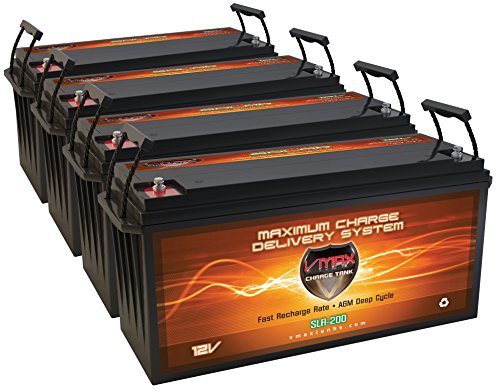
When you shop for a replacement car battery, two numbers follow you everywhere: CCA and RC. Most drivers glance at the sticker, match the digits to whatever came out of the car, and call it done. That works, but it leaves real questions unanswered. What do those numbers actually measure? Can you go higher than the factory spec? What happens if the RC is too low on a long road trip? This guide explains both ratings from the ground up so you can make a confident, informed decision instead of a blind swap.
Both figures are standardized by the Battery Council International (BCI) and follow testing procedures defined by SAE International, so every reputable battery on the shelf is measured the same way. Understanding the science behind the specs takes about five minutes, and it can save you from a no-start on a cold January morning or a dead radio halfway through a road trip.
What Cold Cranking Amps (CCA) Actually Measures
Cold Cranking Amps is the number of amperes a fully charged 12-volt battery can deliver for 30 seconds at 0 degrees Fahrenheit while maintaining a voltage of at least 7.2 volts. That specific scenario comes from SAE standard J537, and it exists for a precise reason: cold temperatures slow the chemical reactions inside a lead-acid battery and thicken engine oil at the same time, creating a worst-case demand on your starting system.
In practice, CCA tells you how hard a battery can push the starter motor under the worst cold-weather conditions. A battery rated at 600 CCA will crank the engine reliably in very cold weather. A battery rated at 400 CCA in the same vehicle may spin the starter sluggishly or fail to start the engine altogether if temperatures drop far enough.
A few related ratings you may see on battery labels include:
- CA (Cranking Amps): Measured at 32 degrees Fahrenheit instead of 0. CA numbers are always higher than CCA for the same battery, so don’t compare them directly.
- MCA (Marine Cranking Amps): Also measured at 32 degrees, used on marine batteries. Not directly comparable to automotive CCA.
- HCA (Hot Cranking Amps): Measured at 80 degrees Fahrenheit. Appears mainly in industrial applications.
When comparing batteries, always compare CCA to CCA. Mixing CA and CCA numbers will make a weaker battery look stronger on paper.
What Reserve Capacity (RC) Actually Measures
Reserve Capacity is the number of minutes a fully charged battery at 80 degrees Fahrenheit can deliver a constant 25-amp draw before voltage drops below 10.5 volts. The 25-amp figure represents a rough estimate of the minimum electrical load in a typical car when the alternator stops working, covering essentials like headlights, ignition, and basic electronics.
In plain language, RC is your safety net. If your alternator fails while you’re driving, a battery with an RC of 120 minutes gives you roughly two hours to reach a service station before the car dies. A battery with an RC of 80 minutes gives you about 80 minutes under similar conditions.
RC is also relevant in a few everyday situations beyond alternator failure:
- Sitting with the engine off and the radio or air conditioning running
- Short-trip driving where the alternator never fully recharges the battery
- Accessory-heavy vehicles with multiple screens, amplifiers, or auxiliary lighting
- RVs, trucks with lift gates, and vehicles with aftermarket electrical loads
A higher RC rating means more buffer time in any of these scenarios. Drivers who take frequent short trips or run heavy accessories benefit more from a high RC rating than from a marginal increase in CCA.
How CCA and RC Relate to Each Other
CCA and RC measure two different jobs the battery performs. CCA covers the short, intense burst needed to start the engine. RC covers the slow, sustained discharge needed to keep the car alive when the charging system isn’t helping. A battery can excel at one and be average at the other.
In general, larger batteries with more plate surface area score higher on both ratings, because more active material means more reaction capacity. But battery design, plate thickness, and electrolyte chemistry shift the balance. A deep-cycle design optimized for sustained discharge will often have a higher RC and a lower CCA than a standard starting battery of similar physical size.
For most passenger cars and light trucks, a standard starting battery with adequate CCA and a moderate RC is the correct choice. For vehicles with high accessory loads, dual-battery setups, or frequent short trips, prioritizing RC alongside CCA makes sense. For diesel engines, which require much higher starting torque, matching or exceeding the manufacturer’s CCA spec is the primary concern.
How to Find the Right Ratings for Your Vehicle
Every vehicle manufacturer specifies a minimum CCA rating for the original equipment battery. That number appears in the owner’s manual, on a sticker under the hood, or on the original battery label. The BCI also publishes a group size guide that cross-references vehicle make, model, and year to a recommended battery group size and minimum CCA.
A few practical guidelines:
- Match or exceed the OEM CCA spec. Going 10 to 20 percent higher than the factory minimum is generally fine and gives a buffer for aging and cold temperatures. Going far beyond that offers little measurable benefit for most gasoline engines.
- Don’t go below the OEM minimum CCA. Undersized batteries shorten their own lifespan by being chronically overtaxed on cold starts.
- Check RC if you run accessories. If your vehicle has an aftermarket sound system, a dash cam, a portable refrigerator, or other sustained loads, look for a battery with an RC rating that reflects that extra demand.
- Climate matters. Drivers in northern states where temperatures regularly drop below zero should prioritize a higher CCA rating. Drivers in consistently warm climates may find that RC becomes the more meaningful number.
- Group size determines fit. CCA and RC are performance specs. The BCI group size (24, 35, 65, H6, etc.) determines physical dimensions and terminal placement. Always confirm the group size first so the battery fits the tray and the cables reach the terminals.
Common Mistakes When Reading Battery Specs
Battery labels and retailer websites can be confusing because different manufacturers emphasize different ratings. Here are the most common points of confusion:
- Confusing CA with CCA: A battery labeled 800 CA looks stronger than one labeled 650 CCA, but they may perform nearly identically on a cold morning because CA is measured at a warmer temperature. Always find the CCA number specifically.
- Assuming more CCA is always better: A battery with 900 CCA in a four-cylinder car that specifies 450 CCA isn’t harmful, but it isn’t meaningfully better for starting the engine. You’re paying for capacity you won’t use on every start.
- Ignoring RC entirely: Many buyers only check CCA and ignore RC. For accessory-heavy vehicles or drivers who take many short trips, RC matters as much or more.
- Misreading Amp-Hour (Ah) ratings: Some batteries, particularly absorbed glass mat (AGM) and European-spec batteries, display an Ah rating instead of RC. The two are related but not identical. A rough conversion is RC divided by 2.4 to estimate Ah, though this varies by battery chemistry.
- Skipping group size verification: A battery with the right CCA but the wrong group size may not fit physically or may have terminals in the wrong position, causing cable strain or contact problems.
Battery Types and How They Affect Both Ratings
The chemistry and construction of a battery influence how its CCA and RC translate into real-world performance. The three main types found in passenger vehicles are:
- Flooded Lead-Acid (FLA): The traditional design, also called wet cell or conventional. Reliable, widely available, and the least expensive option. CCA and RC ratings are straightforward. Requires occasional electrolyte checks in non-maintenance-free versions.
- Absorbed Glass Mat (AGM): Electrolyte is absorbed into fiberglass mats between the plates. AGM batteries typically offer higher CCA for their size, significantly higher RC, deeper cycle tolerance, and longer service life. They’re required in many modern vehicles with start-stop systems or regenerative braking because those systems demand more from the battery. AGM batteries are more sensitive to incorrect charging voltage, so a standard charger set to the wrong mode can shorten their life.
- Enhanced Flooded Battery (EFB): A midpoint between FLA and AGM. Better cycle durability than standard flooded batteries, often used as a lower-cost alternative in start-stop vehicles. RC and CCA fall between FLA and AGM in most cases.
If your vehicle came from the factory with an AGM battery, SAE and most vehicle manufacturers recommend replacing it with another AGM battery. The charging system is calibrated for AGM behavior, and a standard flooded battery may not perform correctly or may wear out faster in that application.
What to Do If Your Battery Fails the CCA or RC Test
Auto parts stores and service shops test batteries using conductance testers, which measure how well the battery’s internal plates conduct current. A professional load test applies an actual amp draw and measures voltage drop over time, giving a direct read on both CCA capability and remaining capacity. SAE J537 governs the laboratory test procedures, but field testers give a reliable indication of whether a battery is approaching the end of its useful life.
Signs that CCA or RC has degraded significantly include:
- Slow or sluggish cranking on cold mornings
- The engine cranks normally when warm but hesitates after sitting overnight
- Headlights dim noticeably when the engine is at idle
- The battery warning light comes on (though this often indicates the alternator rather than the battery itself)
- The battery is more than four years old and has never been evaluated
BCI recommends testing your battery annually once it passes the three-year mark, particularly before winter in cold climates. A battery that fails a load test or measures below 70 percent of its rated CCA on a conductance test has entered the replacement zone, even if it still starts the car on warm days.
Frequently Asked Questions
Can I put a higher CCA battery in my car than the manufacturer recommends?
Yes, in most cases. Using a battery with a CCA rating 10 to 20 percent above the manufacturer’s minimum is generally safe and may provide a modest benefit in very cold climates. The starter motor only draws what it needs, so excess CCA capacity simply goes unused on a typical start. The main constraints are physical: the replacement battery must fit the battery tray (correct BCI group size) and the terminal positions must align with your cables. Going significantly higher than the spec offers diminishing returns for a gasoline engine but isn’t harmful to the electrical system.
What is a good Reserve Capacity rating for a car battery?
For a standard passenger car with no major aftermarket electrical loads, an RC rating between 90 and 120 minutes is typical and sufficient. Vehicles with heavy accessory loads such as aftermarket audio systems, off-road lighting, winches, or portable refrigerators benefit from batteries rated 120 minutes or higher. Trucks used for commercial work or vehicles with dual-battery setups often use batteries with RC ratings above 150 minutes. The owner’s manual doesn’t usually specify a minimum RC the way it does CCA, so the best approach is to check what the OEM battery was rated at and match or exceed that figure.
Does temperature affect CCA and RC performance?
Yes, significantly. A lead-acid battery loses roughly 20 percent of its CCA capacity at 32 degrees Fahrenheit and up to 50 percent at 0 degrees Fahrenheit compared to its rated capacity at room temperature. This is why the CCA test is conducted at 0 degrees: it represents the hardest condition the battery is likely to face. RC is rated at 80 degrees Fahrenheit, and in colder conditions the actual runtime will be shorter than the rated figure. In very hot climates, heat accelerates plate corrosion and water loss in flooded batteries, which degrades both CCA and RC over time. AGM batteries tolerate heat somewhat better than standard flooded designs.
How do I know if my car needs an AGM battery instead of a standard one?
Check the owner’s manual or the label on the original battery. Vehicles with automatic start-stop systems, regenerative braking, or high electrical demand from factory-installed features are almost always designed for AGM batteries. The charging system in these vehicles uses a higher and more variable charge voltage that standard flooded batteries can’t handle efficiently over time. If the original equipment battery is marked AGM, replace it with an AGM battery of the same BCI group size and equal or higher CCA and RC ratings. Installing a standard flooded battery in a vehicle designed for AGM may result in shorter battery life and potential charging system issues.
Is Reserve Capacity the same as Amp-Hours?
They measure related things but use different methods, so the numbers aren’t interchangeable. Reserve Capacity measures how many minutes a battery sustains a 25-amp draw at 80 degrees Fahrenheit before voltage falls below 10.5 volts. Amp-Hours (Ah) measures total charge capacity, typically rated at a 20-hour discharge rate. A rough conversion often cited is RC divided by 2.4 to estimate Ah, but this varies by battery chemistry and construction. AGM batteries, for example, can deliver energy more efficiently at higher discharge rates than the conversion formula assumes. If a battery lists one rating but not the other, use this estimate as a general comparison only, not a precise equivalency.
The Bottom Line
CCA and Reserve Capacity measure two distinct jobs your battery performs, and knowing what each number means lets you choose a replacement with confidence rather than guesswork. Match or exceed your vehicle’s CCA spec, pay attention to RC if you run accessories or take frequent short trips, confirm the BCI group size fits your tray, and replace like-for-like chemistry if your vehicle uses AGM. Those four steps cover the vast majority of battery replacements correctly.
Related Guides
- 7 Best Batteries for C7 Corvette in 2026 (AGM Group 47 Evaluated)
- 7 Best Battery Chargers for Marine Deep Cycle (Researched and Compared)
- 7 Best Battery Jumper with Air Compressor (Researched and Compared)
- 7 Best Power Cables for Car Battery (Researched and Compared)
- 7 Best Lightweight Trolling Motor Batteries (Researched and Compared)
- How to Test a Car Battery