A car battery is an essential component of your vehicle’s electrical system, and it’s crucial to test it regularly to prevent a breakdown on the road. In this guide, we’ll walk you through the steps to test a car battery safely and accurately, following the guidelines set by the National Highway Traffic Safety Administration (NHTSA), the Department of Transportation (DOT), and other reputable authorities.
Testing a car battery is a relatively simple process that requires some basic tools and knowledge. With the right steps, you can determine whether your battery is functioning properly and make any necessary repairs or replacements.
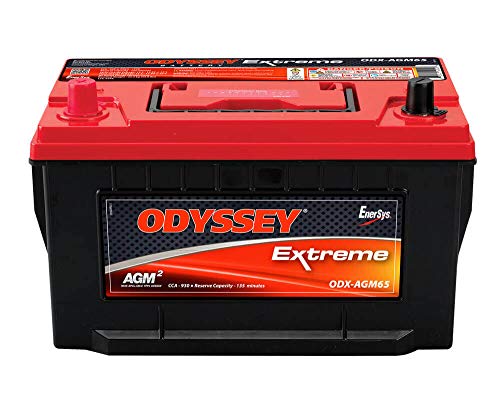
Odyssey 65-PC1750T Automotive and LTV Battery
Gather the necessary tools and materials
To test a car battery, you’ll need a few simple tools and materials. These include:
- A multimeter or a digital voltmeter
- A battery tester or a hydrometer
- The car’s owner’s manual
- The car’s battery terminals
Make sure you have a clear and well-lit workspace, and consult your owner’s manual for specific instructions on how to access the battery in your vehicle.
Locate the battery and its terminals
The location of the battery in your vehicle can vary depending on the make and model, so consult your owner’s manual to find it. Typically, the battery is located in the engine compartment, and it’s held in place by a bracket or a clamp. Make sure the area is clear of any debris or obstructions.
Locate the battery terminals, which are usually marked as positive (+) and negative (-). The positive terminal is usually red, while the negative terminal is usually black.
Check the battery's state of charge
Use a multimeter or a digital voltmeter to measure the battery’s voltage. The recommended voltage for a car battery is between 12.4 and 12.7 volts. If the voltage is lower than 12.4 volts, the battery may be weak and in need of replacement.
Use a battery tester or a hydrometer to check the battery’s state of charge. The recommended state of charge for a car battery is between 80% and 100%.
Inspect the battery's terminals
Inspect the battery terminals for any signs of corrosion or damage. Use a wire brush to clean the terminals if they’re corroded. Make sure the terminals are securely tightened to prevent any sparks or electrical shocks.
Check the battery cables for any signs of wear or damage. Replace the cables if they’re damaged or corroded.
Test the battery's cold cranking amps (CCA)
The cold cranking amps (CCA) is a measure of a battery’s ability to start an engine in cold temperatures. Use a multimeter or a digital voltmeter to measure the battery’s CCA. The recommended CCA for a car battery is between 400 and 600 amps.
If the battery’s CCA is lower than the recommended value, it may not be able to start the engine in cold temperatures.
Consult the manufacturer's recommendations
Consult the manufacturer’s recommendations for testing and maintaining the battery in your vehicle. The manufacturer may have specific guidelines or recommendations for testing and maintaining the battery.
Follow the manufacturer’s recommendations to ensure the battery is functioning properly and to prevent any damage to the electrical system.
Dispose of the battery properly
When disposing of the battery, make sure to follow the Environmental Protection Agency’s (EPA) guidelines for recycling and disposing of lead-acid batteries. Don’t dispose of the battery in the trash or recyclables.
Take the battery to a recycling center or a service station that accepts lead-acid batteries for recycling.
Frequently Asked Questions
What is the recommended voltage for a car battery?
The recommended voltage for a car battery is between 12.4 and 12.7 volts. If the voltage is lower than 12.4 volts, the battery may be weak and in need of replacement.
How often should I test my car battery?
It’s recommended to test your car battery every 6 months or at least once a year, depending on the manufacturer’s recommendations and the vehicle’s usage.
What is the recommended state of charge for a car battery?
The recommended state of charge for a car battery is between 80% and 100%.
How do I dispose of a car battery?
When disposing of a car battery, make sure to follow the Environmental Protection Agency’s (EPA) guidelines for recycling and disposing of lead-acid batteries. Don’t dispose of the battery in the trash or recyclables.
Can I test my car battery myself?
Yes, you can test your car battery yourself using a multimeter or a digital voltmeter. However, if you’re not comfortable with the process or if you’re unsure about the results, it’s recommended to consult a professional mechanic or a service station.
The Bottom Line
Testing a car battery is a relatively simple process that requires some basic tools and knowledge. By following the steps outlined in this guide, you can determine whether your battery is functioning properly and make any necessary repairs or replacements. Remember to consult the manufacturer’s recommendations and follow the Environmental Protection Agency’s guidelines for recycling and disposing of lead-acid batteries.

