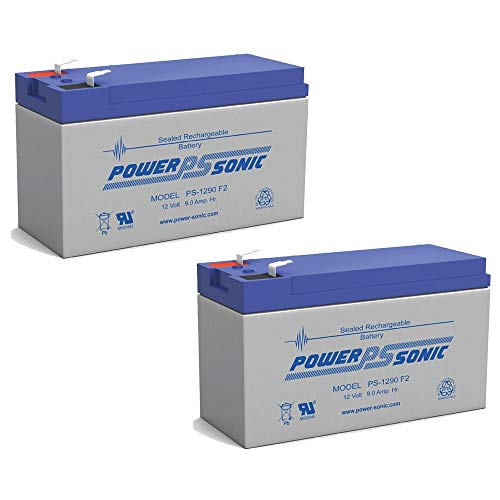
Battery chargers fail primarily because of overheating, poor electrical connections, or using a charger that’s incompatible with the battery type. These issues can damage internal components, reduce efficiency, or cause complete failure. Understanding the common causes helps you choose a reliable charger and avoid costly mistakes.
1. Overheating and Thermal Stress
Overheating is the most frequent cause of charger failure. Chargers generate heat during operation, and if ventilation is blocked or the charger is used in a hot environment, internal components can degrade. Many chargers lack thermal protection, so sustained high temperatures can damage capacitors, transformers, and circuit boards. To prevent this, always place the charger in a well-ventilated area and avoid covering it. Some high-quality chargers include built-in fans or thermal shutdown features, which are worth the investment.
2. Poor Electrical Connections and Corrosion
Loose or corroded connections between the charger and battery cause intermittent charging, voltage drops, and arcing. This can stress the charger’s output circuitry and lead to premature failure. Always clean battery terminals and ensure clamps or connectors are tight. For lead-acid batteries, check for sulfation on terminals. Using a charger with smart diagnostics, like those found in our battery guides, can help identify connection issues early.
3. Incompatible Battery Types and Voltages
Using a charger designed for a different battery chemistry (e.g., charging a lithium-ion battery with a lead-acid charger) can cause overvoltage, undercharging, or thermal runaway. Always match the charger’s output voltage and charging profile to your battery type. Many modern chargers have selectable modes, but if yours doesn’t, you risk damaging both the battery and the charger. Check your battery’s specifications and use a charger that explicitly supports it.
4. Component Wear and Manufacturing Defects
Like all electronics, chargers have a lifespan. Capacitors dry out, solder joints crack, and transformers can short over time. Cheap chargers often use lower-quality components that fail sooner. While you can’t prevent age-related wear, you can extend life by avoiding frequent plugging/unplugging and protecting the charger from physical shock. If your charger fails within a year, it may be a defect; consider a warranty replacement.
Frequently Asked Questions
Can a battery charger be repaired if it fails?
Sometimes, but it’s often not cost-effective. Simple issues like a blown fuse or broken wire can be fixed, but internal circuit board failures usually require professional repair or replacement. For safety, don’t open a charger unless you have electronics experience.
How long should a battery charger last?
A quality charger can last 5-10 years with proper care. Budget chargers may fail in 1-3 years. Factors like usage frequency, environment, and build quality significantly affect lifespan.
What should I look for in a reliable battery charger?
Look for features like overheat protection, automatic voltage detection, and compatibility with multiple battery types. Reading reviews and checking trusted recommendations can help you choose a durable model.
The Bottom Line
Battery chargers fail due to overheating, poor connections, incompatibility, and component wear. You can minimize these risks by using the correct charger for your battery, keeping connections clean, and ensuring proper ventilation. Investing in a quality charger with protective features saves money and frustration over time.