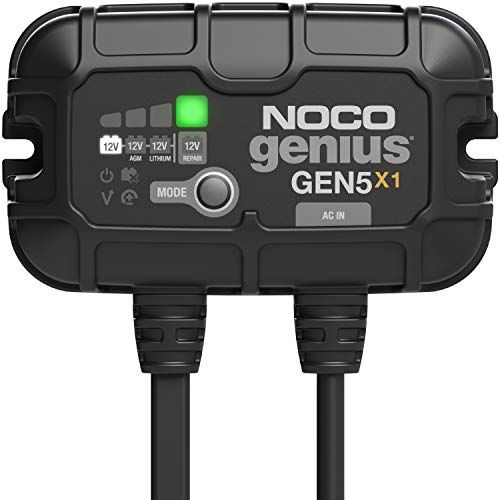
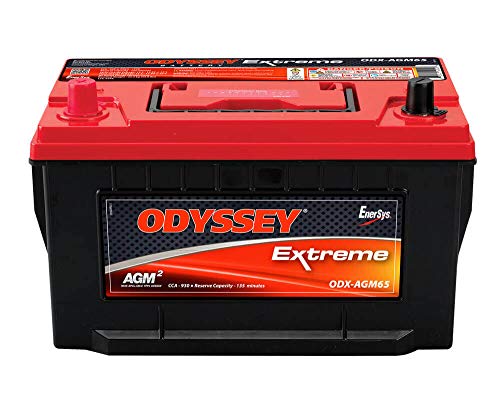
Deep cycle batteries fail primarily because of sulfation, overcharging, undercharging, and physical damage from vibration. These issues cause irreversible capacity loss, often leading to premature replacement. Understanding these failure modes can help you extend battery life and save money.
1. Sulfation: The Leading Cause of Failure
Sulfation occurs when a lead-acid battery is left in a discharged state for too long. Lead sulfate crystals form on the plates, reducing capacity and increasing internal resistance. This is the most common failure mode for deep cycle batteries used in solar systems, RVs, and marine applications. To prevent sulfation, keep the battery charged above 50% state of charge and use a smart charger that applies a desulfation mode periodically. If sulfation is caught early, some chargers can reverse it, but severe sulfation is irreversible.
2. Overcharging and Undercharging
Overcharging causes excessive gassing, water loss, and plate corrosion. It can also lead to thermal runaway, especially in sealed batteries. Undercharging, on the other hand, accelerates sulfation. Both conditions shorten battery life. Use a quality charger with proper voltage settings: for flooded lead-acid, absorption voltage is typically 14.4-14.8V; for AGM, 14.2-14.6V; for gel, 14.0-14.2V. Never exceed these ranges. Also, ensure the charger has temperature compensation to adjust voltage for ambient conditions.
3. Vibration and Physical Damage
Deep cycle batteries are designed for steady discharge, not high vibration. In vehicles like boats and RVs, vibration can cause internal plate shorting, cracked cases, and loose terminals. Secure the battery with a proper hold-down bracket and use vibration-dampening pads. Avoid mounting batteries near engines or other high-vibration sources. Even minor physical damage can lead to internal shorts and sudden failure.
4. Age and Cycle Life
All deep cycle batteries have a finite number of cycles, typically 300-700 for flooded lead-acid, 500-1000 for AGM, and 2000+ for lithium. As the battery ages, internal resistance increases and capacity decreases. You can slow aging by avoiding deep discharges below 50% for lead-acid (or 20% for lithium) and by storing batteries in a cool, dry place. High temperatures accelerate chemical reactions and shorten life. For every 15°F above 77°F, battery life halves.
Frequently Asked Questions
Can a dead deep cycle battery be revived?
Sometimes, if the battery is only sulfated and not physically damaged. Using a desulfation charger or applying a controlled overcharge can restore some capacity. However, if the battery has been dead for months or has shorted cells, it can’t be revived and must be replaced.
How often should I check water levels in a flooded deep cycle battery?
Check water levels every 1-2 months, especially in hot climates or if the battery is frequently charged. Only use distilled water, and fill to just above the plates (not to the top). Overfilling can cause acid overflow and corrosion.
What is the best way to store a deep cycle battery?
Store it fully charged in a cool, dry place (50-60°F is ideal). Check voltage monthly and recharge if it drops below 12.4V (for a 12V battery). For long-term storage, use a maintenance charger or solar trickle charger to keep it topped off.
The Bottom Line
Deep cycle batteries fail mainly from sulfation, improper charging, vibration, and age. To maximize lifespan, use a smart charger, avoid deep discharges, secure the battery, and perform regular maintenance. For more tips on battery care and selection, check out our guide on batteries and the best jump starters for emergency situations.