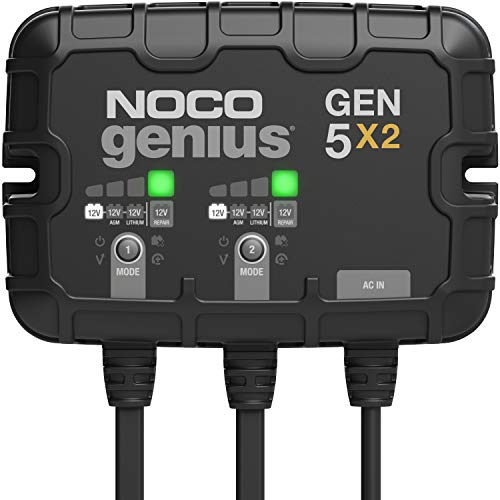
Yes, you can fix some battery charger problems yourself, but only if you have basic electrical knowledge and the right tools. Many common issues like blown fuses, broken cables, or dead batteries are simple to repair, but internal circuit board failures or transformer damage usually require professional service or replacement. Always prioritize safety: unplug the charger before opening it and never work on it if you’re unsure.
Common Battery Charger Problems You Can Fix Yourself
Most battery chargers fail due to simple issues. A blown fuse is the most common: check the fuse with a multimeter and replace it if open. Broken or corroded cables and clamps can be cut back and reconnected or replaced. If the charger powers on but won’t charge, the output voltage may be low: test with a multimeter and clean dirty contacts. Some chargers have internal resettable fuses or thermal switches that trip if overheated; let them cool and reset.
Tools and Skills Needed for Battery Charger Repair
To attempt repairs, you need a multimeter, screwdrivers, wire strippers, and a soldering iron for more advanced fixes. You should be comfortable reading a wiring diagram and testing voltage and continuity. If you don’t own a multimeter, consider buying one from a reputable brand. For safe battery handling, check our guide on batteries. If you’re not confident in your skills, it’s cheaper and safer to buy a new charger.
When to Replace Instead of Repair
Some repairs aren’t worth the effort. If the charger’s circuit board is burnt, the transformer is open, or it’s an old linear charger with a heavy transformer, replacement is often more cost-effective. Modern smart chargers are complex and difficult to fix without schematics. Also, if the charger has been exposed to water or physical damage, internal corrosion may be extensive. In these cases, a new charger is safer. For jump starters and other battery tools, see our best jump starters guide.
Frequently Asked Questions
Can I fix a battery charger that won’t turn on?
Yes, start by checking the power cord, fuse, and input voltage. Use a multimeter to test for continuity. If the fuse is blown, replace it with the same rating. If the cord is damaged, replace it. If still dead, the internal power supply may be faulty and replacement is recommended.
Is it safe to open a battery charger?
It’s safe if you unplug it first and wait for capacitors to discharge. Use insulated tools and avoid touching large capacitors. If you aren’t experienced with electronics, don’t open it. Always work in a dry area and wear safety glasses.
How do I test a battery charger with a multimeter?
Set the multimeter to DC voltage (or AC if for car chargers). Connect the probes to the output clamps: red to positive, black to negative. A healthy charger should show voltage within 10% of its rated output. If no voltage, check the fuse and input power.
The Bottom Line
Fixing a battery charger yourself is possible for simple issues like blown fuses, broken cables, or dirty contacts. For anything involving the internal circuit board, transformer, or if you lack electrical experience, it’s safer to replace the charger. Always prioritize safety and know when to call a professional.