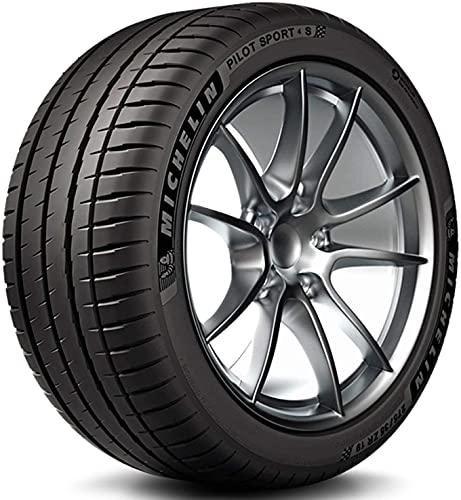
You should replace all-season tires when the tread depth reaches 4/32 inch (3 mm), when the tires are 6 years old, or if you notice visible damage like cracks, bulges, or persistent vibration. Waiting until the legal minimum of 2/32 inch is unsafe for rain and snow. Check your tires monthly to stay safe.
Replace Based on Tread Depth: The 4/32 Inch Rule
Tread depth is the most critical factor. New all-season tires typically have 10/32 to 11/32 inch of tread. The legal minimum in most states is 2/32 inch, but that’s dangerously low for wet roads. At 4/32 inch, traction in rain and light snow drops significantly. Use a tread depth gauge or the penny test: insert a penny into the tread with Lincoln’s head down. If you see the top of his head, tread is below 2/32 inch and you need new tires immediately. For better safety, replace at 4/32 inch. Some experts recommend 5/32 inch if you drive frequently in heavy rain or snow.
Replace Based on Age: The 6-Year Rule
Tires degrade over time, even if they have plenty of tread. Rubber compounds harden and become brittle, increasing the risk of blowouts. Most tire manufacturers recommend replacing all-season tires after 6 years from the date of manufacture, regardless of tread depth. Check the DOT code on the sidewall; the last four digits indicate the week and year of manufacture. For example, “3522” means the 35th week of 2022. After 6 years, replace them. If you live in a hot climate or park in direct sunlight, consider replacing after 5 years.
Replace When You See Visible Damage or Vibration
Inspect your tires regularly for cracks in the sidewall, bulges, blisters, or uneven wear. These indicate internal damage or alignment issues and require immediate replacement. Persistent vibration, especially at highway speeds, can signal a broken belt or separation. Don’t ignore these signs. Also, if you have had a puncture repaired, the tire may be compromised. Many shops won’t repair tires with tread below 4/32 inch or sidewall damage. For more tire care tips, check our tire guide.
Frequently Asked Questions
Can I replace just two all-season tires?
Yes, but only if the remaining two have at least 4/32 inch tread and are less than 6 years old. Always put the new tires on the rear axle for better stability, especially in wet conditions. Mismatched tread depths can affect handling.
How do I know if my all-season tires are good for winter?
All-season tires aren’t designed for severe snow or ice. If you live where winter temperatures regularly drop below 45°F or you encounter snow, consider dedicated winter tires. All-season tires lose grip below 45°F, even with good tread. For moderate winter conditions, replace at 5/32 inch for better snow traction.
Is it safe to drive on tires that are 10 years old?
No. Even if the tread looks good, tires older than 10 years are unsafe due to rubber degradation. The risk of a blowout increases significantly. Replace any tire that’s 10 years old or older, regardless of appearance or mileage.
The Bottom Line
Replace all-season tires when tread depth reaches 4/32 inch, at 6 years old, or at the first sign of damage or vibration. Don’t rely on the wear bars or legal minimum. Use a penny or gauge to check monthly, and inspect sidewalls for cracks. For reliable diagnostics and tire maintenance, a quality OBD2 scanner can help monitor your vehicle’s health. Check out our best OBD2 scanners to keep your car in top shape. Stay safe on the road.