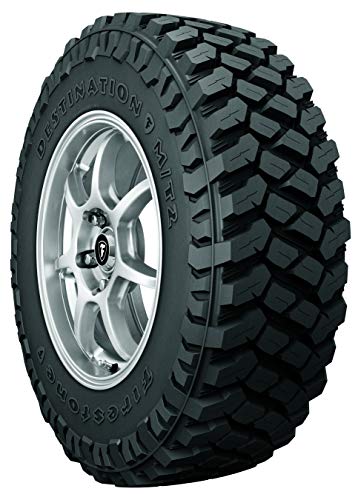
No, you shouldn’t drive on a damaged donut spare. A donut spare, also called a temporary spare tire, is designed for short-term emergency use only. If it has any visible damage such as cracks, bulges, or punctures, the risk of sudden failure increases dramatically. Driving on a damaged donut can lead to loss of control, accidents, and further damage to your vehicle.
What Constitutes Damage to a Donut Spare?
Donut spares are smaller and lighter than full-size tires, with shallower tread and lower load capacity. Common signs of damage include sidewall cracks, bulges or blisters, punctures or cuts, uneven tread wear, and missing valve caps or low pressure. Even minor damage can compromise the tire’s integrity. If you notice any of these issues, don’t use the spare. Instead, replace it or call for roadside assistance.
Speed and Distance Limits for Donut Spares
Manufacturers typically limit donut spares to 50 mph (80 km/h) and 50 miles (80 km) of driving. These limits assume the tire is in perfect condition. A damaged donut shouldn’t be driven at all, but if you must move the vehicle a very short distance (e.g., to a nearby shop), keep speed under 30 mph and avoid sudden maneuvers. Even then, the risk is high. The reduced traction and stability of a damaged donut make it dangerous on wet or uneven roads.
Risks of Driving on a Damaged Donut Spare
Driving on a damaged donut spare can cause sudden tire failure, leading to loss of control and potential accidents. The tire may overheat due to reduced air volume and structural weakness. Also, the smaller diameter can affect your car’s braking and handling, especially if the donut is on a drive axle. Using a damaged donut also puts extra strain on your vehicle’s differential and transmission. For these reasons, it’s safer to call a tow truck or use a full-size spare if available.
When to Replace a Donut Spare
Donut spares have a limited lifespan, typically six to ten years from the manufacturing date, even if never used. Check the tire’s date code (a four-digit number on the sidewall) to determine age. Replace the donut if it’s older than six years, shows any signs of damage, or has been driven on at highway speeds for more than 50 miles. A new donut can be purchased from a dealership or tire shop, but consider investing in a full-size spare for better safety and convenience. For more tire care tips, see our tire guide.
Frequently Asked Questions
Can I repair a damaged donut spare?
No, donut spares aren’t designed to be repaired. Their thin construction and temporary nature mean any damage usually requires replacement. Attempting a patch or plug can fail under stress.
Is it safe to drive on a donut spare with low tire pressure?
No. Low pressure in a donut spare increases heat buildup and the risk of blowout. Always inflate the donut to the pressure specified in your owner’s manual (often 60 psi) before driving.
Can I use a donut spare on the front axle?
It depends on your vehicle. Many manufacturers recommend using the donut on the rear axle only to maintain steering and braking performance. Check your manual. If you must use it on the front, drive slowly and carefully.
The Bottom Line
A damaged donut spare isn’t safe to drive on. The risks of sudden failure, loss of control, and vehicle damage far outweigh any convenience. Always inspect your spare before use, and replace it if damaged or aged. For emergency preparedness, consider carrying a full-size spare or a quality jump starter to avoid being stranded. Your safety is worth more than a temporary fix.