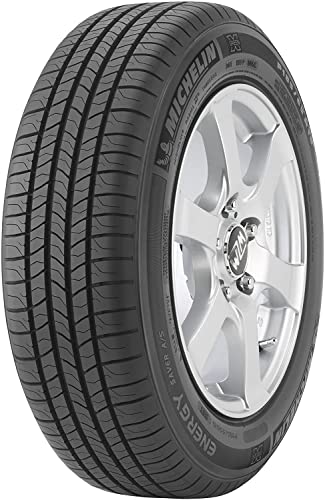
The cost to fix a donut spare tire typically ranges from $20 to $60 for a repair, or $50 to $120 for a replacement. Donut spares are compact temporary tires designed for short-term use, and they aren’t meant to be repaired like full-size tires. However, if the damage is minor (like a small puncture in the tread), some tire shops may patch it, but many recommend replacement because of safety concerns.
Repair Costs for Donut Spares
Repairing a donut spare is possible but often not recommended. Most tire shops charge between $20 and $40 for a standard patch or plug repair. However, because donut spares have limited tread depth and aren’t built for long-distance or high-speed driving, even a successful repair may not restore full safety. Some shops refuse to repair them at all, citing liability. If you find a shop willing to do the repair, expect to pay on the lower end of that range, but be aware that the repaired tire should only be used as a temporary spare and not as a permanent replacement.
Replacement Costs for Donut Spares
If your donut spare is damaged beyond repair or if you simply want a new one, replacement costs vary by vehicle make and model. A new donut spare from a dealer can cost $80 to $120, while aftermarket options may be $50 to $80. You can also find used donut spares at junkyards for $30 to $50, but inspect them carefully for cracks, dry rot, or uneven wear. Remember that donut spares are designed for speeds up to 50 mph and distances under 50 miles. Using a damaged or worn spare increases the risk of failure.
When to Repair vs. Replace
Consider repair only if the puncture is in the tread area, smaller than 1/4 inch, and the tire hasn’t been driven on while flat. Even then, many experts advise replacement because the tire’s structural integrity may be compromised. Replace the donut spare if the sidewall is damaged, the tread is worn below 2/32 inch, the tire is over 6 years old, or if there are any cracks or bulges. Also replace if the tire has been used extensively or if you have any doubt about its condition. Safety is paramount, and a donut spare is already a compromise; a damaged one isn’t worth the risk.
Additional Costs to Consider
When fixing a donut spare, you may also need to factor in mounting and balancing, which can add $15 to $30 to the cost. Some shops include this in the repair price. If you’re replacing the donut, you might also need to buy a new jack or lug wrench if yours is missing. Check your vehicle’s owner manual for the correct spare tire specifications. For more tire-related advice, visit our tire guide.
Frequently Asked Questions
Can a donut spare tire be repaired like a regular tire?
Technically yes, but it isn’t recommended. Donut spares are temporary and have less rubber and weaker construction. Most tire shops will refuse to repair them due to safety concerns. If you do get a repair, use the tire only as a spare and replace it as soon as possible.
How long can I drive on a repaired donut spare?
You should drive no more than 50 miles and at speeds under 50 mph on any donut spare, including a repaired one. The repair doesn’t extend its lifespan; it’s still a temporary solution. Get a permanent replacement tire for your vehicle as soon as possible.
Is it cheaper to buy a new donut spare or a full-size spare?
A new donut spare costs $50-$120, while a full-size spare (same as your regular tires) can cost $100-$300 or more. Full-size spares are safer and can be used indefinitely, but they take up more space. For most drivers, a new donut spare is cheaper and adequate for emergencies.
The Bottom Line
Fixing a donut spare tire costs $20-$60 for a repair or $50-$120 for a replacement. However, repairs are risky and often not recommended. For safety, replace a damaged donut spare rather than repairing it. Always follow the speed and distance limits for temporary spares. For more tire care tips, check our tire category.