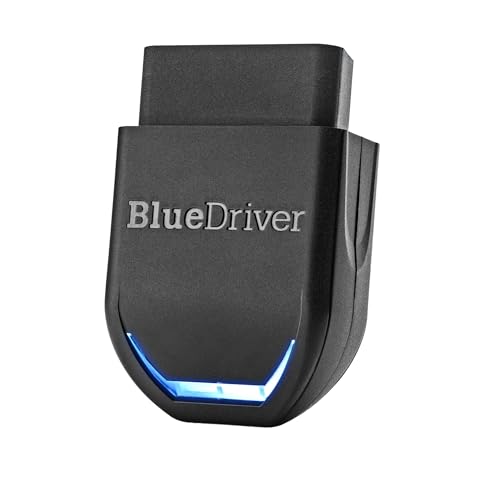
If your check engine light just came on, an OBD2 scanner is the tool that turns that mysterious glow into a clear, actionable answer. An OBD2 scanner is a small device that plugs into a standardized diagnostic port on your vehicle and communicates with the car’s onboard computers. It pulls out the trouble codes, sensor readings, and system status data that the vehicle records while you drive. Instead of guessing at the problem or paying a shop just to read the code, you can see exactly what your car is reporting in seconds.
This guide explains what OBD2 actually means, where the port lives, what a scanner can read, the different types of scanners available, and who genuinely benefits from owning one. For specific model recommendations, see our roundup of the best obd2 scanners.
What OBD2 Actually Means
OBD2 stands for On-Board Diagnostics, second generation. It’s a standardized system built into modern vehicles that monitors the performance of the engine, emissions controls, and many other components. The car’s computers constantly track data from dozens of sensors, and when something falls outside expected limits, the system records a diagnostic trouble code and often illuminates the check engine light.
The standard was mandated on all cars and light trucks sold in the United States starting with the 1996 model year. Before OBD2, the first generation systems varied widely between manufacturers, so a tool that worked on one brand often wouldn’t work on another. OBD2 unified the connector shape, the communication protocols, and the core set of trouble codes, which means a single scanner can read almost any car built from 1996 onward. This standardization is the entire reason a low cost handheld tool can talk to such many vehicles.
Where the Port Is and How It Works
Every OBD2 compliant vehicle has a 16-pin connector known as the Data Link Connector. In most cars it sits under the dashboard on the driver’s side, within reach of the steering column, though some models tuck it behind a small panel or near the center console. The port is the same trapezoid shape across all compliant vehicles, so any standard OBD2 scanner will physically fit.
When you plug a scanner into this port, it draws power directly from the car and establishes a connection with the vehicle’s electronic control units. You typically turn the ignition to the on position, or start the engine for live data, and the scanner requests information using the standardized protocols. The control units respond with stored codes and a continuous stream of sensor values. This handshake happens automatically once the device is connected, which is why even a beginner can pull a code within a minute or two.
What an OBD2 Scanner Can Read
The core job of any OBD2 scanner is reading diagnostic trouble codes. These are alphanumeric codes such as P0300, where each code points to a specific fault the car has detected. The scanner displays the code, and better tools also show a plain language description so you understand whether you’re looking at a misfire, an oxygen sensor issue, or an evaporative emissions leak. After a repair, the scanner can also clear the codes and reset the check engine light.
Beyond simple codes, most scanners read live sensor data in real time. This stream shows values like engine RPM, coolant temperature, intake air temperature, fuel trim, and oxygen sensor voltage as the engine runs, which is invaluable for diagnosing intermittent problems. Many tools also capture freeze frame data, a snapshot of the exact conditions at the moment a fault was recorded, and readiness monitors, which report whether the emissions self-tests have completed. Readiness monitors matter a great deal before an emissions inspection, since an incomplete monitor can cause an automatic test failure.
Basic Code Readers Versus Advanced Scan Tools
OBD2 devices fall into two broad groups. A basic code reader is the simplest type. It reads and clears generic powertrain trouble codes and usually shows readiness monitor status. These tools are compact, inexpensive, and ideal for someone who mainly wants to know why the check engine light is on and whether a car is ready for an emissions test. The tradeoff is limited depth: they often can’t access manufacturer specific codes or systems beyond the engine.
An advanced scan tool does much more. It reads live data streams, captures freeze frame information, and frequently reaches into systems like ABS, airbags, transmission, and other modules that basic readers can’t touch. Higher end tools add bidirectional controls that let you command components to activate for testing, along with service functions such as oil resets and battery registration. Some connect over Bluetooth or Wi-Fi to a phone app, turning your smartphone into the display. The right choice depends on how deep you plan to go.
Who Actually Needs an OBD2 Scanner
A basic scanner makes sense for almost any car owner. If you drive a vehicle from 1996 or newer, owning even an inexpensive code reader can save you repeated trips to a parts store or shop just to read a light. It’s especially useful before buying a used car, since plugging in a scanner can reveal hidden codes and confirm whether the emissions monitors are ready, which can expose a seller who recently cleared codes to mask a problem.
Hobbyist mechanics, frequent road trippers, and anyone who maintains more than one vehicle gain the most from a more capable scan tool. The ability to watch live data, access ABS and airbag systems, and perform service resets turns guesswork into informed decisions and can prevent unnecessary part replacement. If you rarely deal with car issues and only want occasional reassurance, a simple reader is plenty. If you enjoy doing your own maintenance, a more advanced tool quickly pays for itself in confidence and convenience.
Frequently Asked Questions
Will an OBD2 scanner work on any car?
Any standard OBD2 scanner works on cars and light trucks sold in the United States from the 1996 model year onward, because the port shape and protocols were standardized. Vehicles older than 1996 use earlier systems and require different adapters or tools. Some advanced manufacturer specific functions may still need a tool designed for your particular brand.
Can an OBD2 scanner damage my car?
Reading codes and live data is completely passive and safe, since the scanner only requests information the car already stores. Clearing codes is also safe, though it resets readiness monitors that then need a drive cycle to complete. Only advanced bidirectional commands actively control components, so follow the instructions carefully when using those functions.
Does clearing a code fix the problem?
No. Clearing a code only turns off the check engine light and erases the stored fault. If the underlying issue still exists, the car will detect it again and the code will usually return, often within a few drive cycles. A scanner helps you identify the problem, but the actual repair still has to be made.
The Bottom Line
An OBD2 scanner is among the most practical tools a car owner can keep in the glovebox. Thanks to the standardized diagnostic port mandated on US vehicles since 1996, even an affordable reader can decode the check engine light, show live sensor data, capture freeze frame snapshots, and confirm emissions readiness in moments. Basic code readers cover the everyday needs of most drivers, while advanced scan tools unlock deeper diagnostics for enthusiasts and anyone juggling multiple vehicles. Match the tool to how you use your car, and you turn frustrating warning lights into clear, confident decisions. To find a model that fits your needs, explore our guide to the best obd2 scanners.
Related Guides
- 7 Best Scanner Tool for Cars (Researched and Compared)
- 7 Best OBD2 Scanners with TPMS Reset (Researched and Compared)
- Best OBD2 Scanners with Key Programming (Researched and Compared)
- 7 Best OBD Tools for Car (Researched and Compared)
- 7 Best OBD2 Performance Chips in 2026 (Researched and Compared)
- How to Read OBD2 Trouble Codes and Tell P0 From P1 Codes

